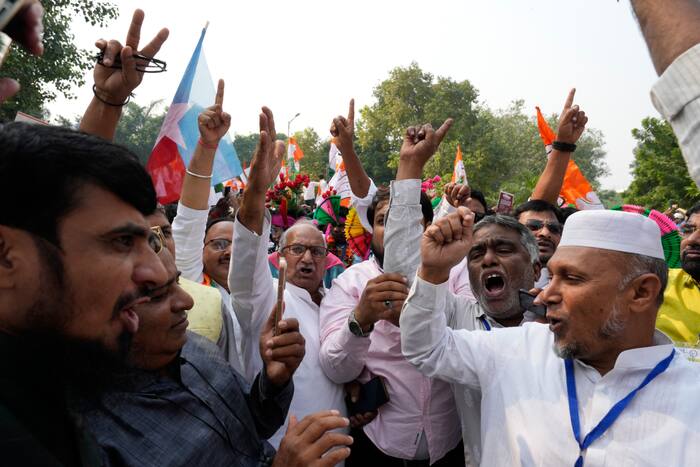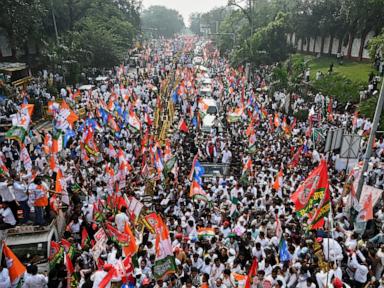
In a significant escalation of public dissent, India’s opposition parties have once again called for the resignation of the country’s elections chief, Rajiv Kumar. This latest wave of protests unfolded on Sunday, as various political factions united to express their discontent with the electoral process under Prime Minister Narendra Modi's administration. The protests signify a growing frustration among opposition leaders who accuse Kumar of failing to uphold the integrity of India's democratic processes.
The demonstrations are part of a broader trend of increasing unrest against Modi’s government, particularly concerning allegations of electoral malpractice and bias in the administration of elections. Opposition leaders argue that the current electoral framework is compromised, undermining the democratic principles enshrined in the Indian Constitution. This sentiment has been echoed across multiple states, as parties rally their supporters to voice their grievances publicly.S1S2
As tensions rise, the opposition is mobilizing its base, with plans for further protests and public engagements aimed at amplifying their demands. The political landscape in India appears increasingly polarized, with the ruling party and its critics entrenched in a battle over the legitimacy of the electoral process. The opposition's actions reflect a critical moment in Indian democracy, as they seek to hold the government accountable for what they perceive as a systematic erosion of democratic norms.S1S2