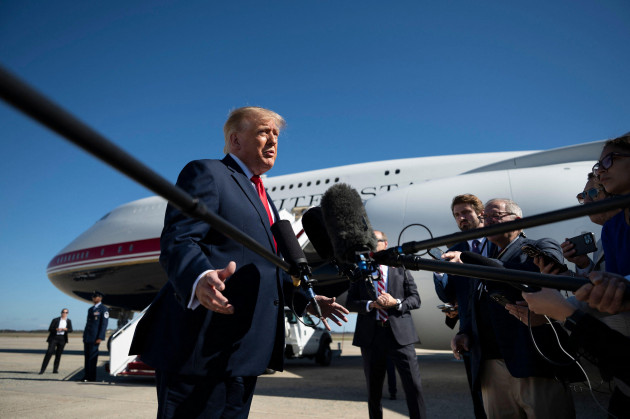
Iran has issued a stark warning regarding the potential for a renewed conflict with the United States, suggesting that any new war could extend longer than previous hostilities. This statement follows comments made by President Donald Trump, who indicated that he still had more targets to "take care" of, raising concerns about escalating tensions in the region. The backdrop to these threats includes ongoing diplomatic efforts aimed at resolving the Middle East conflict, which have been repeatedly overshadowed by aggressive posturing from both the U.S. and Israel as they approach critical elections.
The Iranian government’s warning underscores the precarious nature of the current geopolitical landscape, where military threats are becoming increasingly common. As diplomatic channels struggle to gain traction, the rhetoric from U.S. officials has intensified, suggesting that military action remains a viable option. This situation not only heightens the risk of military engagement but also complicates the already fraught relationship between Iran and the U.S., which has been characterized by cycles of confrontation and negotiation.S1S2
With both sides seemingly entrenched in their positions, the prospect of a renewed conflict poses significant implications for regional stability. The Iranian leadership's assertion that a new war could last longer than previous engagements reflects a strategic calculation aimed at deterring U.S. military action while rallying domestic support. As the U.S. prepares for elections, the interplay between political motivations and military strategies will be crucial in shaping the future of U.S.-Iran relations.S1S2