The brief
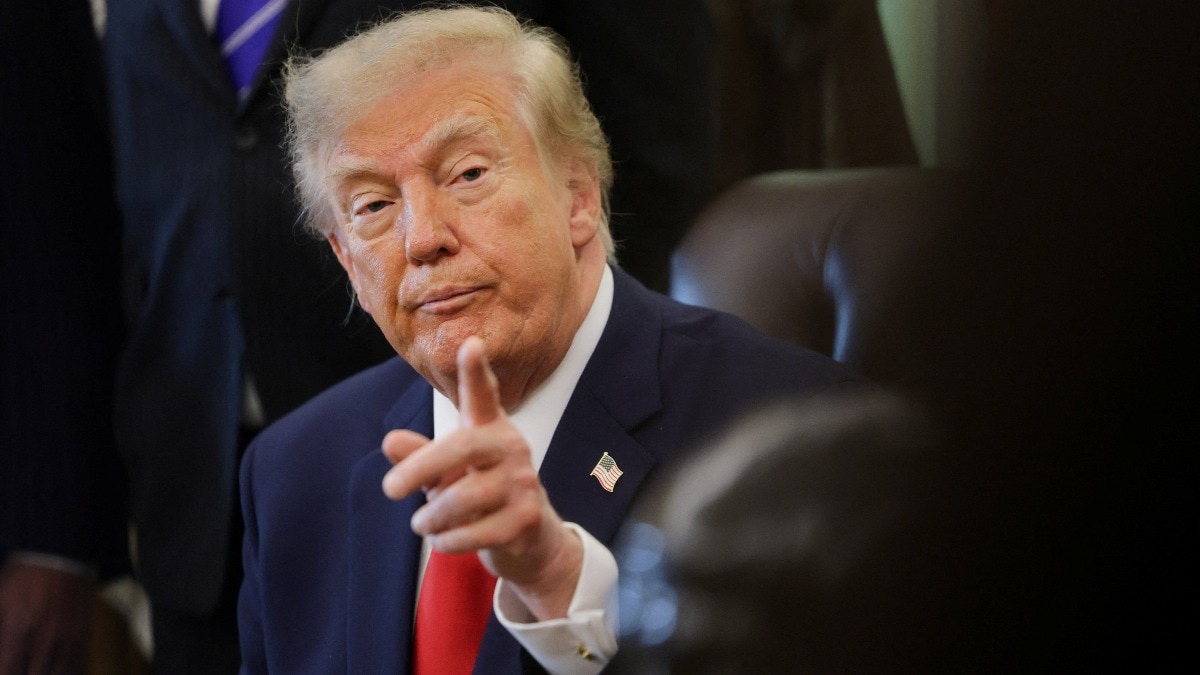
The US Supreme Court has significantly expanded presidential authority regarding the removal of heads of independent federal agencies, while maintaining protections for the Federal Reserve.
Context
This ruling reverses a long-standing precedent from 1935 that limited the president's ability to dismiss agency heads.S1S2
Key points
- The Supreme Court reversed a 1935 precedent on presidential powers.S1
- The ruling allows the president to fire heads of independent federal agencies.S2
- The decision preserves the independence of the Federal Reserve.S1
- The ruling reflects a shift in the balance of power between the presidency and independent agencies.S1
- The court's decision could impact future presidential actions regarding agency leadership.S2
- This expansion of power may lead to increased political influence over independent agencies.S2
- The ruling has implications for the operational autonomy of federal agencies.S1
Why it matters
- The decision alters the landscape of executive power in the US government.S1
- It raises questions about the future independence of federal agencies.S2
- The ruling could set a precedent for future administrations regarding agency oversight.S1
What to watch
- Monitor reactions from federal agencies regarding their operational independence.S2
- Watch for potential challenges to the ruling from various political groups.S1
- Observe how this ruling influences the actions of the current and future presidents.S2