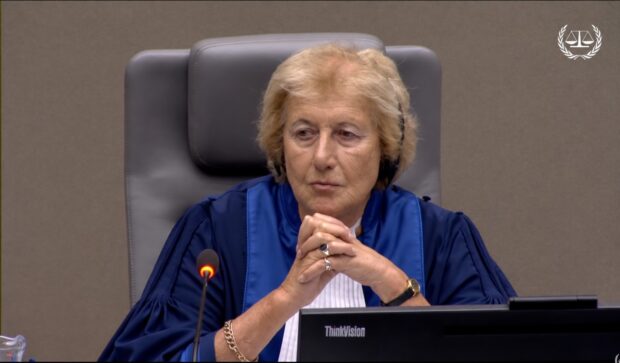
The International Criminal Court (ICC) has denied a request from victims' counsel to use Tagalog during the opening statements in the trial against former President Rodrigo Duterte. Presiding Judge Joanna Korner announced the decision on November 2, stating that the trial will be conducted entirely in English. This ruling is in accordance with the requirements set forth in the Rome Statute, which governs the ICC's operations. Judge Korner acknowledged the importance of the victims relating to the proceedings but emphasized the necessity of adhering to the court's established language protocols.
The trial is set to commence on November 30, marking a significant moment in the ongoing legal scrutiny of Duterte's administration, particularly regarding allegations of human rights abuses during his controversial war on drugs. The decision to maintain English as the sole language of the trial has drawn attention, as it may impact the ability of victims and their families to fully engage with the proceedings. The ICC's insistence on English reflects broader issues of accessibility and representation in international legal contexts, especially for non-English speaking populations.S1
As the trial approaches, the implications of the ICC's language policy will likely be a focal point for advocates and observers concerned about the rights of victims. The rejection of the Tagalog request underscores the challenges faced by those seeking justice in international courts, where procedural rules can sometimes overshadow the needs of affected communities. The upcoming trial is expected to draw significant media attention and public interest, highlighting the ongoing debate over accountability for human rights violations in the Philippines.S2