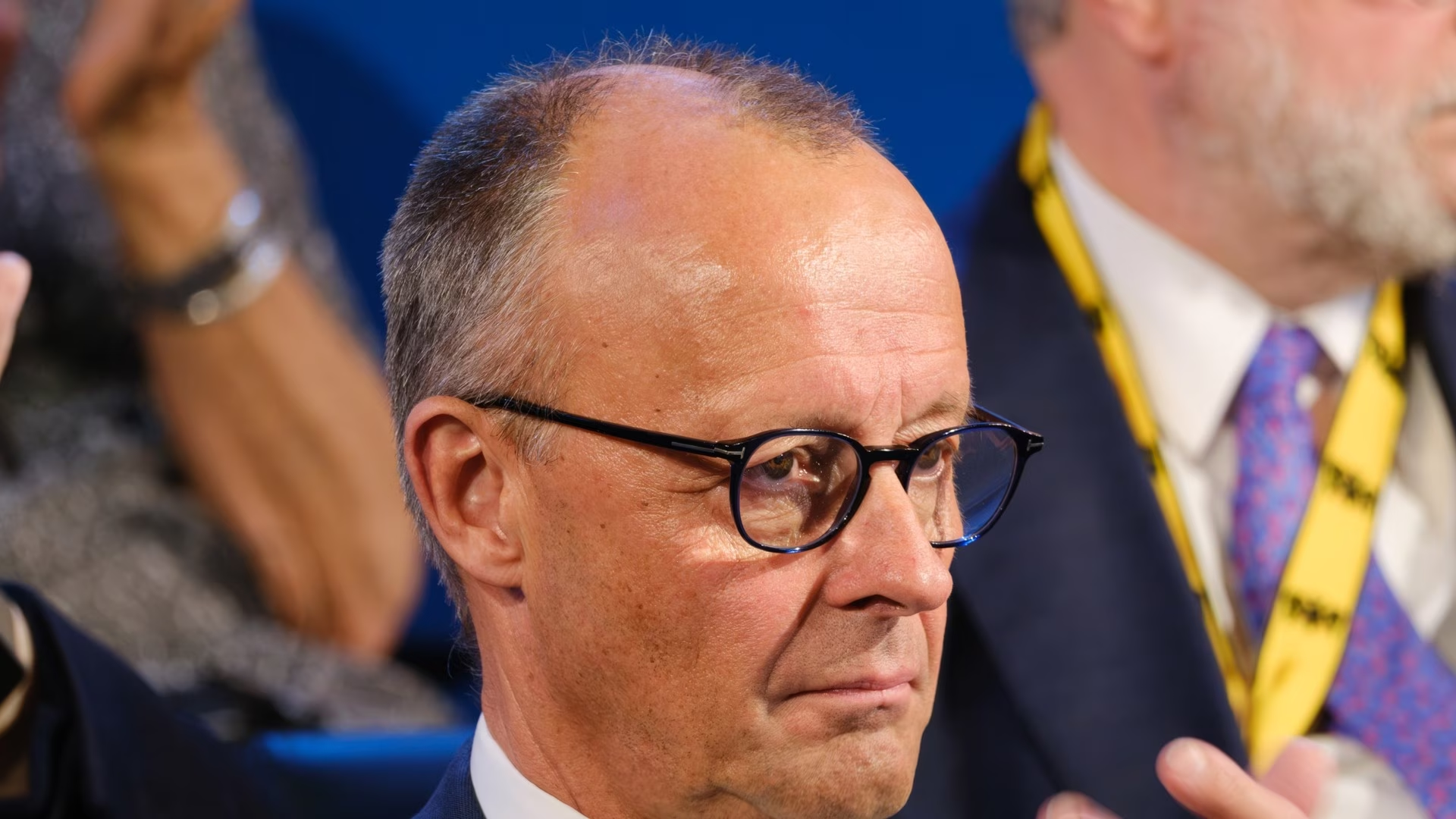
Chancellor Friedrich Merz has emphasized the necessity for Germany to appoint a woman as its next head of state, marking a significant milestone in the country's political landscape. This call comes as the ruling coalition approaches a decision on who will succeed President Frank-Walter Steinmeier, whose term is set to conclude in March next year. Merz's statement reflects a growing recognition of the need for gender representation in high political offices in Germany.
In addition to advocating for gender equality in leadership, Merz has also underscored the urgent need for Germany and Europe to accelerate their development of artificial intelligence technologies. Speaking at an AI conference in Berlin, he described digital sovereignty as a "truly existential question," warning that the continent risks becoming overly reliant on external providers if it does not act swiftly. His comments highlight the dual challenges of political representation and technological independence facing Germany today.S2
As the political landscape shifts with the impending presidential transition, Merz's dual focus on appointing a woman to the presidency and enhancing Germany's technological capabilities illustrates a broader strategy aimed at fostering a more inclusive and self-sufficient future for the nation. The next steps in this process will be closely watched as discussions within the ruling coalition continue.S1S2


