The brief
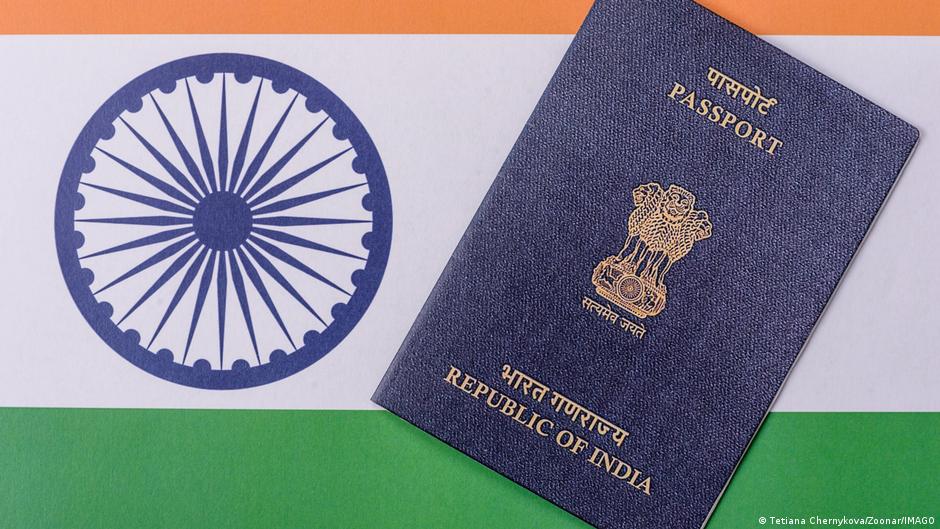
A recent passport controversy in India has sparked renewed discussions about the complexities of proving citizenship, particularly in light of voter-list revisions that highlight systemic issues.
Context
The debate centers on the adequacy of passports as proof of citizenship, with many questioning their reliability amidst ongoing voter-list updates.S1S2
Key points
- The controversy has emerged as voter-list revisions reveal gaps in citizenship verification.S1S2
- Concerns have been raised about the potential for wrongful exclusion from citizenship.S1S2
- The issue reflects broader challenges in India's citizenship verification processes.S1S2
- Critics argue that relying solely on passports may not be sufficient to establish citizenship.S1S2
- The situation has prompted discussions about the need for clearer citizenship documentation.S1S2
- Legal experts are examining the implications of these systemic gaps on individual rights.S1S2
- The controversy has implications for electoral participation and representation.S1S2
- Public sentiment is increasingly concerned about the fairness of citizenship verification methods.S1S2
Why it matters
- The debate highlights the importance of reliable documentation in safeguarding citizenship rights.S1S2
- Systemic gaps in citizenship verification can lead to significant social and political ramifications.S1S2
- Addressing these issues is crucial for maintaining public trust in governmental processes.S1S2
What to watch
- Monitor developments in voter-list revisions and their impact on citizenship claims.S1S2
- Watch for potential legal challenges arising from the controversy.S1S2
- Keep an eye on public responses and government actions regarding citizenship documentation.S1S2