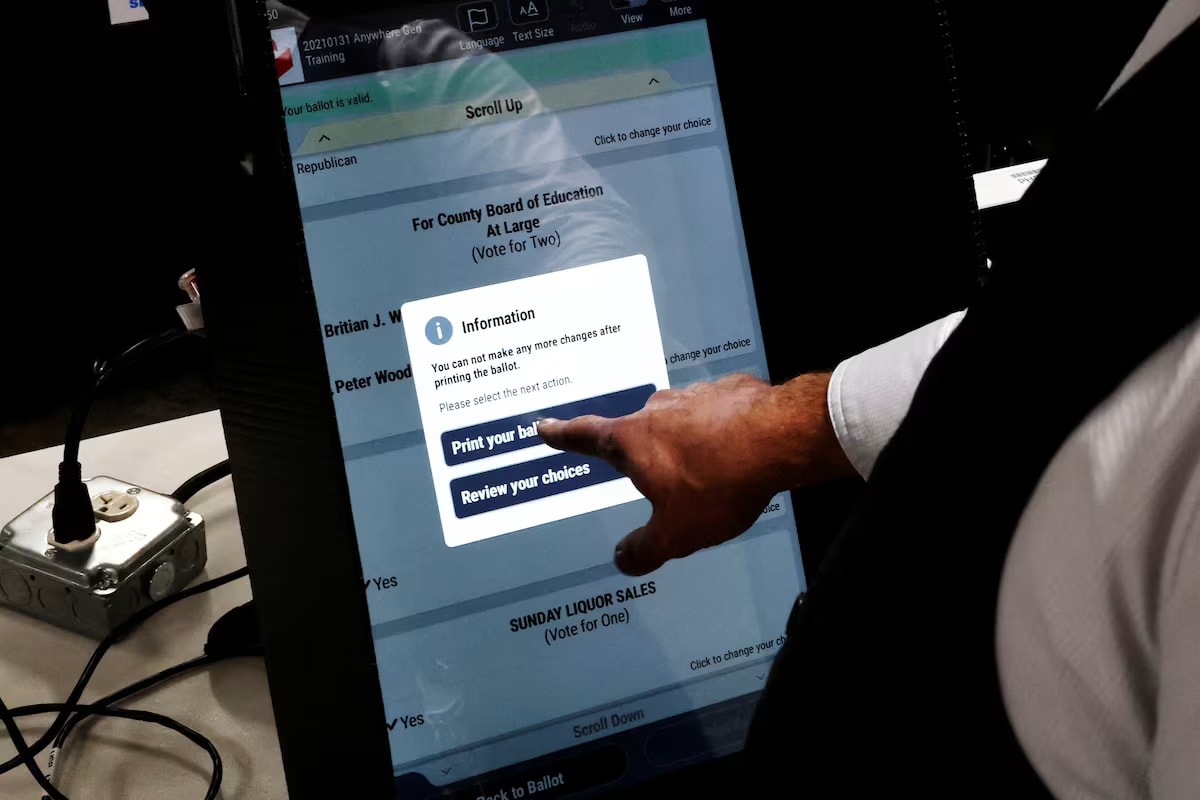
As the 2026 US midterm elections approach, scheduled for November 3, the political landscape is heating up with significant implications for the future of governance in the United States. With 57 million ballots already cast as of Monday, voter engagement appears robust, setting the stage for what could be a pivotal electoral showdown. The midterms will not only determine control of both chambers of Congress but will also see 36 governorships contested, making the stakes particularly high for both major parties.
Polls indicate that Democrats may enter the elections with a slight advantage, but the final outcome is expected to hinge on a number of closely contested races across the country. Political analysts suggest that turnout will be critical; over 100 million voters are anticipated to participate if turnout mirrors that of the 2022 midterms. This marks a significant moment as the results could reshape the final two years of Donald Trump’s second term as president, potentially altering the legislative agenda moving forward.S2
By October 12, spending related to the elections had already reached a staggering US$3.8 billion, highlighting the intense competition and the high stakes involved. This unprecedented financial commitment underscores the importance of these elections, as candidates and parties vie for influence and control in a politically polarized environment. With such a large electorate and substantial investment, the 2026 midterm elections are poised to be one of the most consequential in recent history.S2