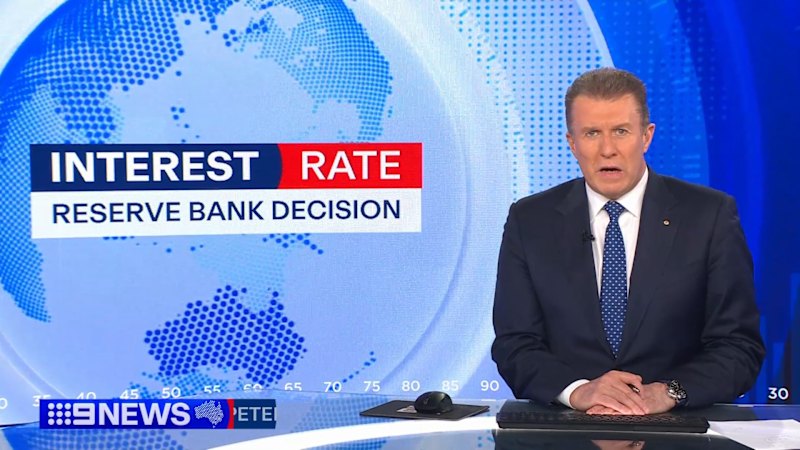
In a decisive move to combat rising inflation, the Reserve Bank of Australia (RBA) has raised interest rates to their highest level in 18 years. Michele Bullock, the governor of the RBA, announced this increase during a news conference at the central bank’s head office, emphasizing the need for such measures to stabilize the economy. This latest hike marks the fifth increase this year, reflecting a broader trend among central banks globally to tighten monetary policy in response to persistent inflationary pressures.
The decision to raise rates was anticipated by economists, as indicated by a poll conducted by Reuters, which showed consensus on the necessity of this action. The RBA's current rate adjustment signifies a commitment to addressing inflation, which has been a growing concern for both consumers and policymakers. The bank's strategy aims to strike a balance between curbing inflation and supporting economic growth, a challenge that has become increasingly complex in the current financial landscape.S2
As the RBA continues to navigate these economic challenges, the implications of the rate hike will likely be felt across various sectors, influencing borrowing costs for households and businesses alike. This move not only underscores the RBA's proactive stance but also highlights the ongoing struggle to manage inflation without stifling economic recovery. The central bank's actions will be closely monitored in the coming months as they assess the impact of these rate changes on the Australian economy.S1