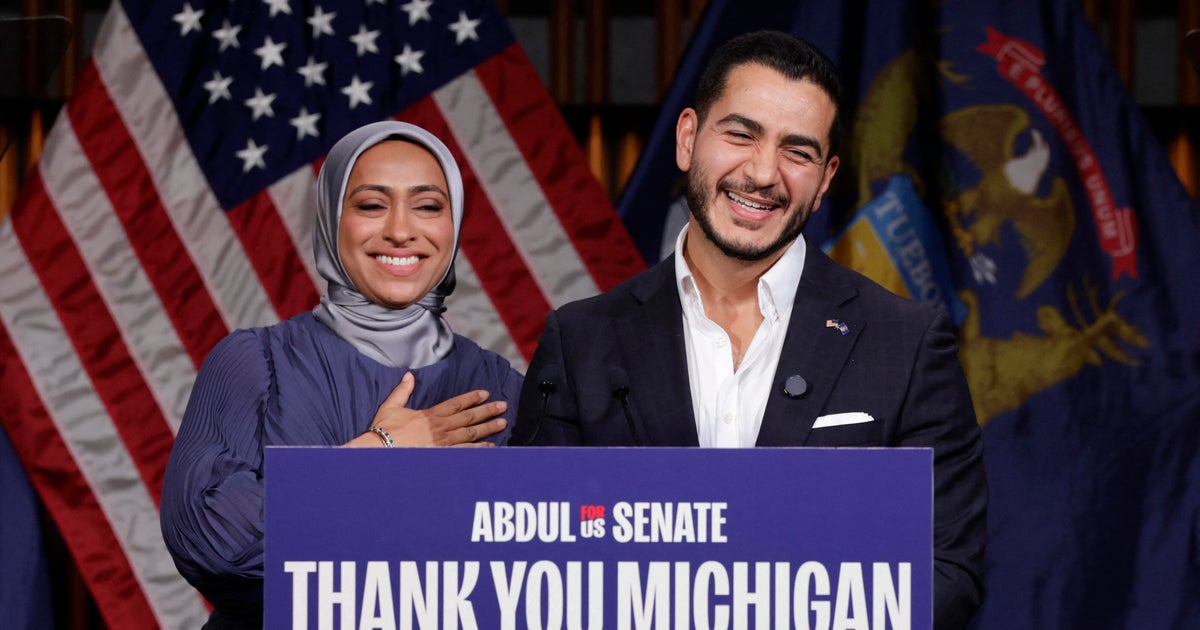
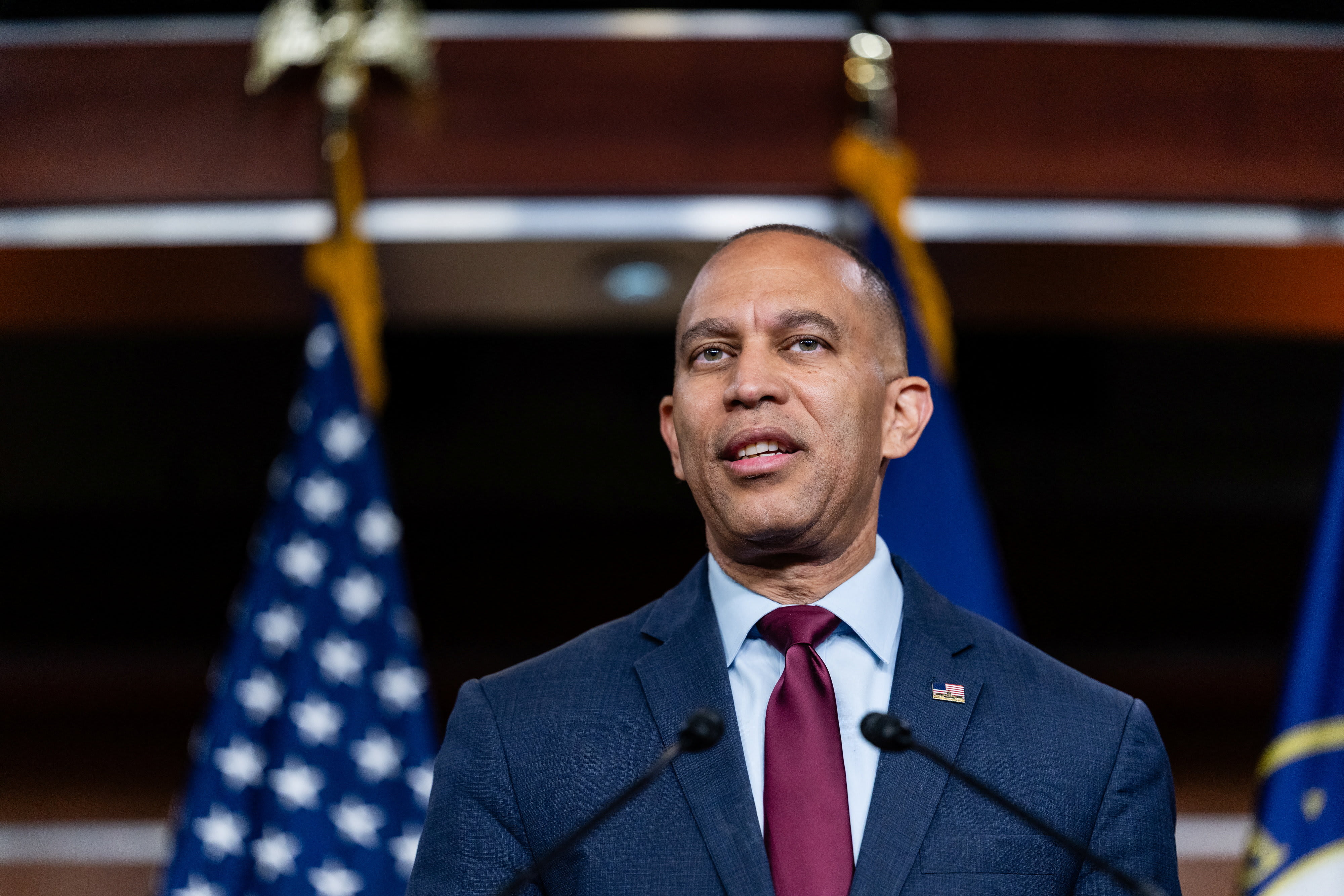
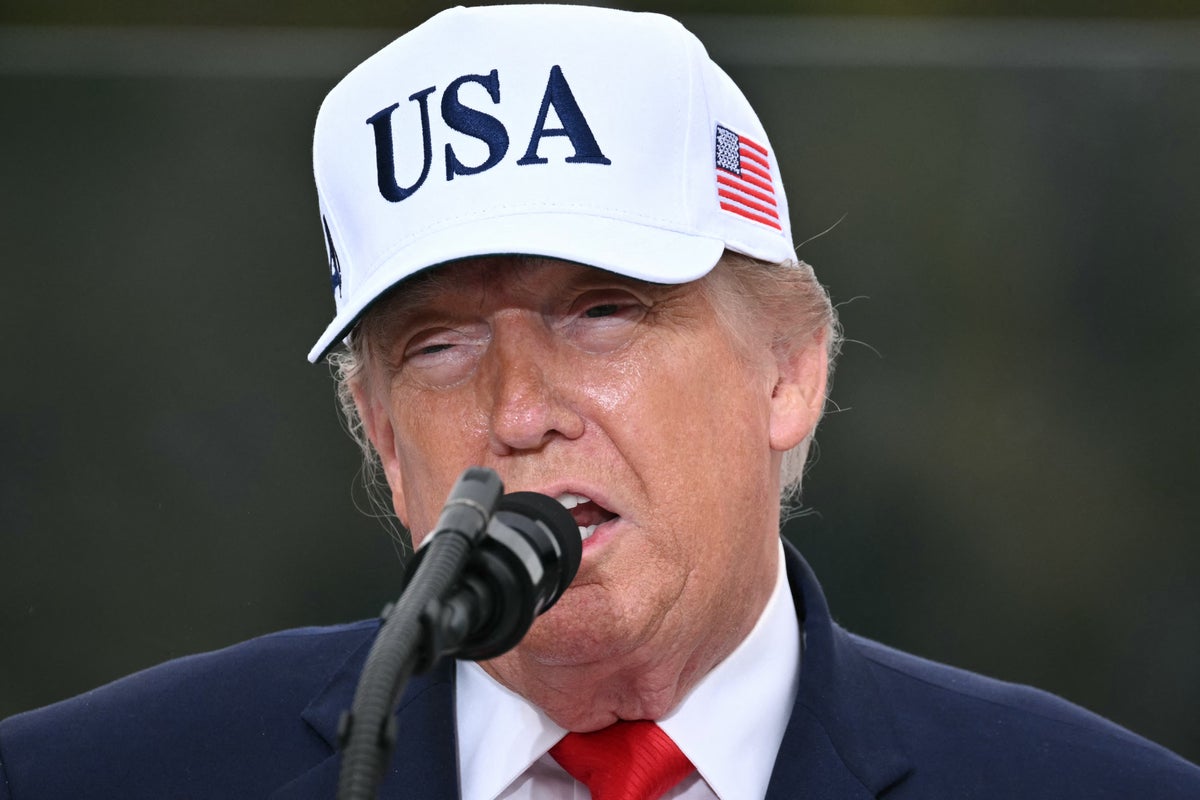
In a significant political shift, the Democratic Party has achieved control of both chambers of the United States Congress following the midterm elections, marking a decisive rejection of President Donald Trump's policies. The Democrats flipped multiple key seats, securing 53 seats in the 100-seat Senate and leading in three additional races, while also winning control of the House of Representatives. This victory is seen as a response to widespread voter dissatisfaction regarding the economy and the ongoing war in Iran, as reported by Bloomberg.
The implications of this victory are profound, as it allows the Democratic Party to challenge Trump's agenda more effectively through the use of subpoenas and confirmation votes. With control over Congress, Democrats are positioned to influence legislation and oversight in ways that could significantly alter the political landscape in the United States. This outcome not only reflects the electorate's current sentiments but also sets the stage for potential conflicts between the two parties as they navigate the next legislative session.S1
This midterm election result is notable not just for its immediate impact but also for its potential long-term consequences on American politics. The Democrats' ability to mobilize voters and flip crucial districts signals a shift in the political dynamics that could affect upcoming elections and policy decisions. As the party prepares to take on its new responsibilities in Congress, the focus will likely turn to how they plan to address the issues that led to their electoral success, particularly economic concerns and foreign policy.S2