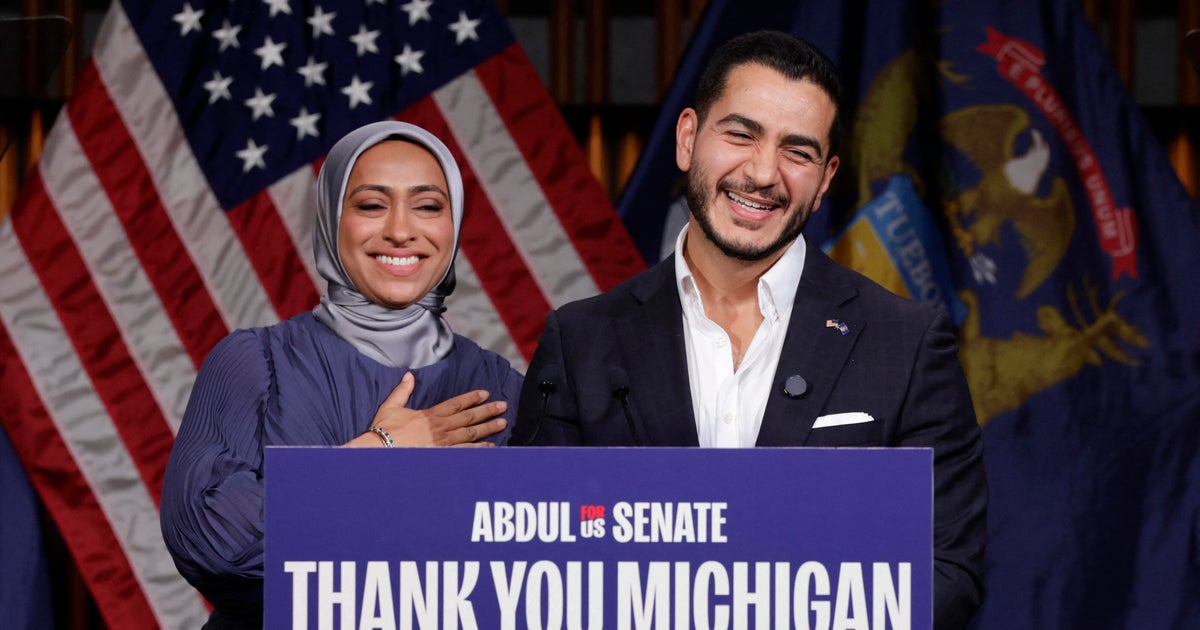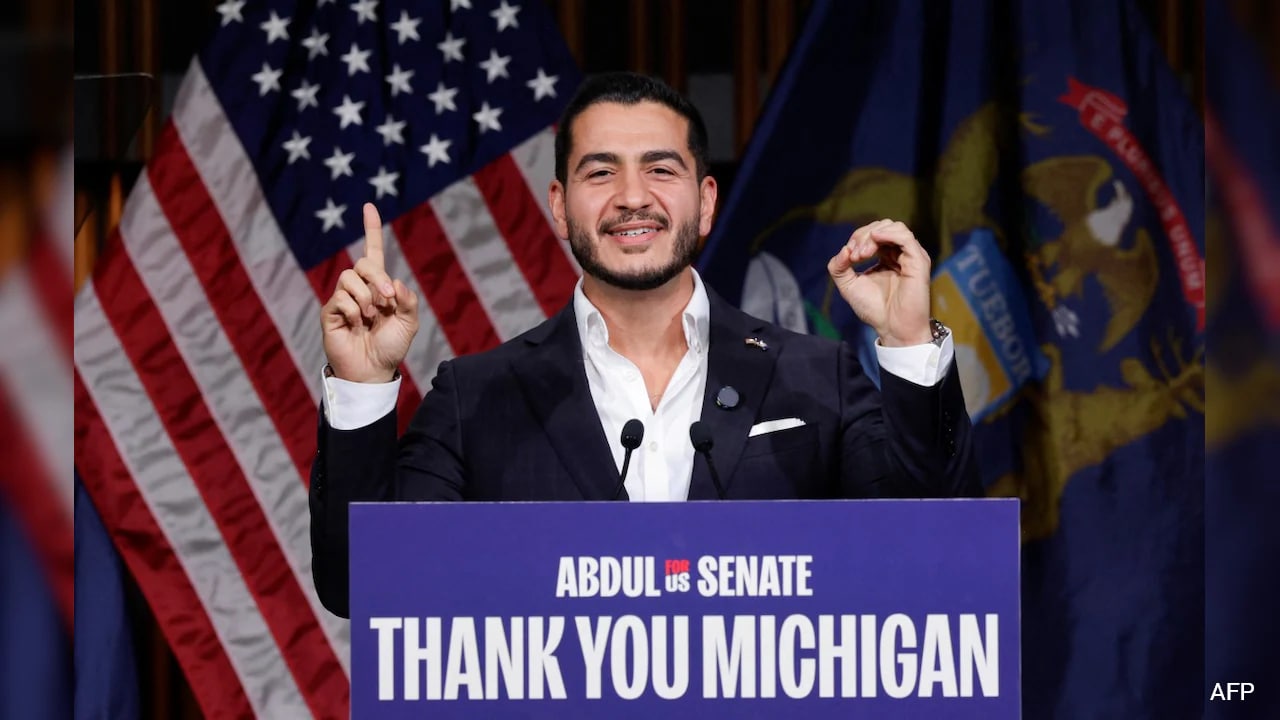
In a significant political shift, the Democratic Party has regained control of both the US House of Representatives and the Senate following the midterm elections, marking a substantial setback for President Donald Trump. This victory is particularly notable as Democrats won in traditionally Republican strongholds, including Texas, Ohio, and Kansas, which had long been considered safe for the GOP. With this change, Trump will face a Congress led by the opposition for the remaining two years of his presidency, complicating his policy agenda and legislative efforts.
The Democrats achieved this control by flipping six Republican-held Senate seats, a critical threshold for claiming the majority. Victories were secured in key states such as Iowa, North Carolina, and South Carolina, in addition to the aforementioned Texas, Ohio, and Kansas. This outcome underscores a shifting political landscape, as voters in these states opted for Democratic candidates, reflecting a broader national trend that may influence future elections.S2
In the wake of these defeats, Trump has been labeled a 'lame duck president,' a term that signifies his diminished power and influence in the face of a Congress that is now predominantly Democratic. In a reaction to the election results, Trump controversially claimed online that had he been on the ballot, Republicans would have won 'in a landslide,' suggesting a disconnect between his perception and the electoral reality. This sentiment highlights the challenges he faces as he navigates the final years of his presidency with a Congress that is likely to oppose many of his initiatives.S3