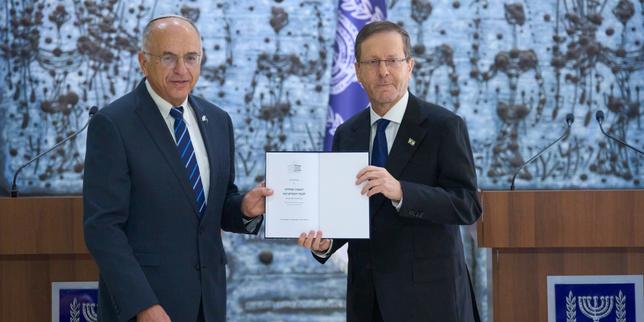
In the wake of Israel's recent election, President Isaac Herzog has called on political leaders to seek compromise in the formation of a new government. This election, which took place over a week after the traumatic October 7, 2023 attacks by Hamas, resulted in no clear winner, prompting Herzog to express concern over the divisive nature of the campaign, particularly condemning "racist" rhetoric aimed at Arab parties. Herzog's remarks come as he embarks on a series of consultations with party leaders, aiming to navigate the complex political landscape that has emerged from the election results.
Herzog's consultations will span an initial two days, during which he will assess the viability of different coalitions. Following these discussions, he is expected to designate a candidate—either the incumbent Prime Minister Benjamin Netanyahu or his rival Gadi Eisenkot—with the responsibility of forming a government. The designated leader will then have 28 days to establish a coalition, with the possibility of a 14-day extension if necessary. This process is critical, as Herzog seeks to avoid a further escalation into new elections, which could exacerbate the political instability in Israel.S1S2
The political climate in Israel remains tense, with Herzog emphasizing the need for unity and cooperation among parties to address the pressing challenges facing the nation. The outcome of these consultations could significantly influence the direction of Israeli politics in the coming weeks, especially in light of the recent violence and the ongoing security concerns that have heightened public anxiety. As Herzog moves forward with this process, the stakes are high for the future governance of Israel and its ability to respond effectively to both internal and external pressures.S1S2