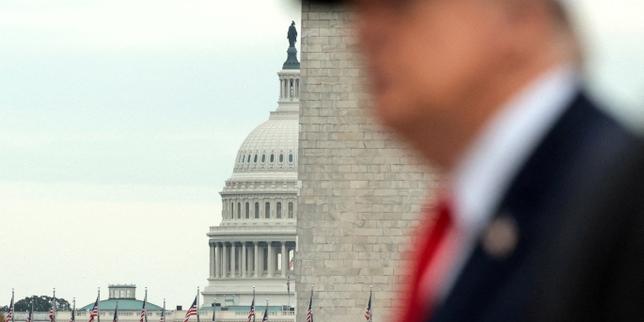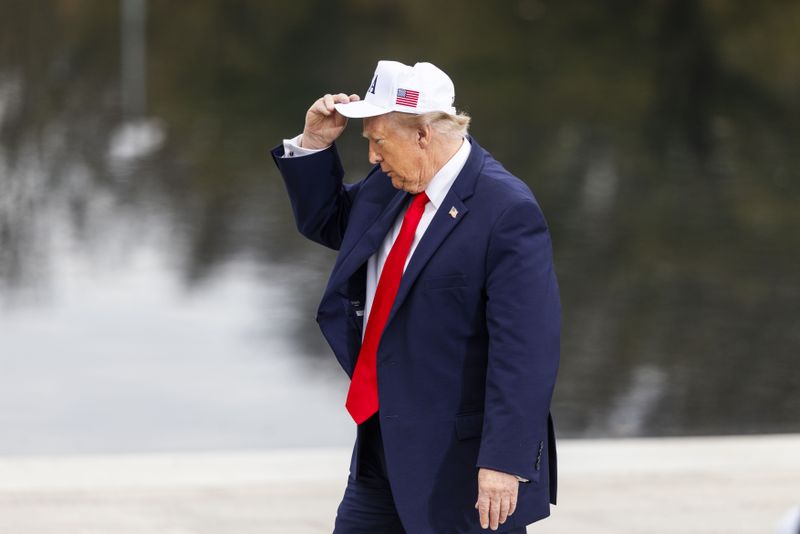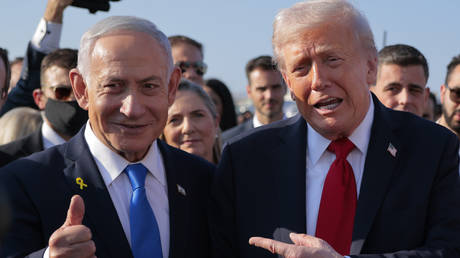
The recent midterm elections in the United States have raised significant questions about the future of the US-Israel relationship, with many analysts suggesting that the outcome may represent a considerable shift in political sentiment. Donald Trump's Republican Party lost control of Congress, a development that some believe could also reflect a broader discontent with Israel's policies and actions. The elections, characterized by a strong rejection of Trump's political brand, have led to speculation about the implications for Israel's standing in American politics.
In a notable shift, Donald Trump himself acknowledged the potential political liability of the US-Israel relationship. On the eve of the midterms, he suggested that the United States might reconsider its military aid to Israel, stating that "they don’t need it." This remark, made on election morning, was met with widespread condemnation and signals a growing divide within American political discourse regarding support for Israel. Analysts argue that this could mark a turning point in how the US engages with Israel, especially as public opinion appears to be shifting.S2
The implications of these elections extend beyond immediate political calculations, as they suggest a reevaluation of longstanding alliances. The midterms have highlighted a potential fracture in the bipartisan support that Israel has traditionally enjoyed in the US, raising questions about future military aid and diplomatic support. As the political landscape evolves, both Israeli leaders and American policymakers will need to navigate this new reality, which could redefine the dynamics of US-Israel relations in the coming years.S1S2