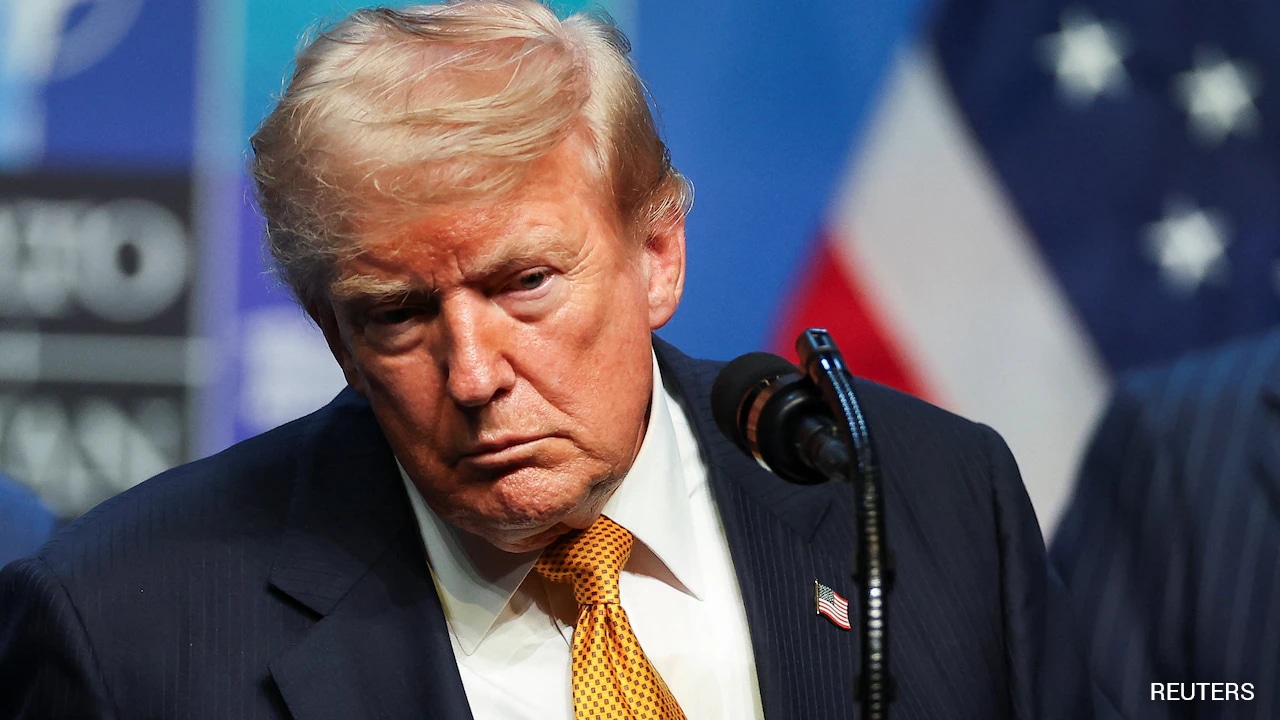
In the aftermath of the U.S. midterm elections, President Donald Trump faced significant political challenges as Democrats gained ground in several key races, leading to a shift in the political landscape. While many races remain too close to call, the Democratic victories have prompted Trump to link these losses to the ongoing conflict with Iran, suggesting that the war has influenced voter sentiment against his party's candidates. This assertion reflects a broader narrative that the current geopolitical tensions are impacting domestic politics, as noted by Al Jazeera.
Despite the electoral setbacks, Trump expressed a willingness to accept the election results during an interview, stating he was "absolutely willing" to do so. This statement marks a notable moment in his political rhetoric, especially considering the contentious nature of previous elections where he questioned the legitimacy of results. Trump's comments came amid a backdrop of heightened scrutiny regarding his leadership and the implications of the U.S.-Iran conflict on his administration's standing with voters, as reported by Wol.S2
As the dust settles from the midterms, the implications of the election results could have lasting effects on U.S. foreign policy, particularly regarding the ongoing tensions with Iran. Analysts suggest that the Democratic gains may embolden calls for a reassessment of U.S. strategies in the region, potentially altering the dynamics of the U.S.-Iran conflict moving forward. The political landscape is shifting, and how Trump navigates these challenges will be crucial as he prepares for future electoral contests.S1S2