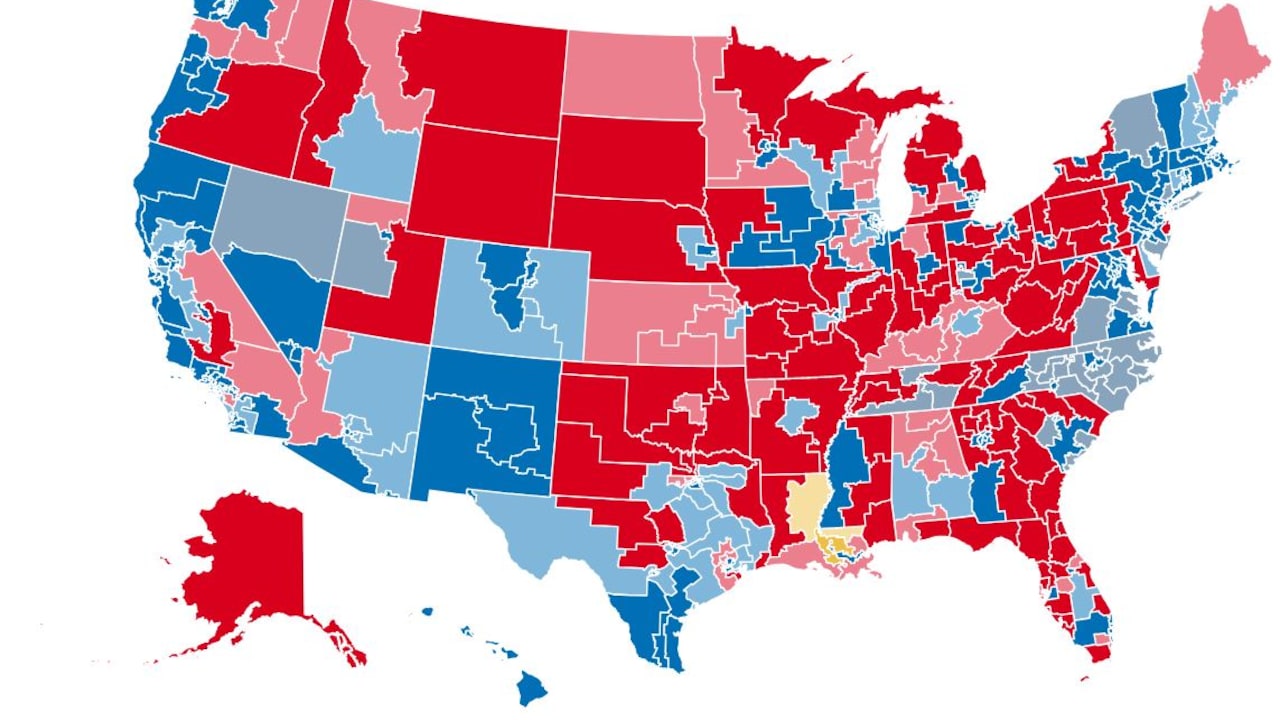
In a significant political shift, Democrats have made notable inroads in rural America, traditionally a Republican stronghold. Over the past 25 years, rural Americans have increasingly aligned with the Republican party, largely due to cultural and economic disagreements with Democrats, as highlighted by the Pew Research Center. However, recent midterm elections have shown a reversal of this trend, with Democrats achieving victories in states like Iowa, Kansas, Texas, and Wisconsin, areas previously dominated by Republican candidates.
This resurgence is attributed to a combination of heightened enthusiasm among rural voters and a strategic overhaul by the Democratic National Committee (DNC). The DNC's efforts to engage rural communities have resonated with voters, leading to a broader acceptance of Democratic candidates. This shift not only reflects changing voter sentiments but also indicates a potential reconfiguration of electoral maps as Democrats expand their reach into areas once considered safe for Republicans.S2
The implications of these victories are significant, suggesting that Democrats may be able to reclaim territory in future elections by addressing the specific concerns of rural voters. As the political landscape continues to evolve, the Democratic party's ability to maintain these gains will depend on their responsiveness to the cultural and economic issues that resonate with rural Americans.S1