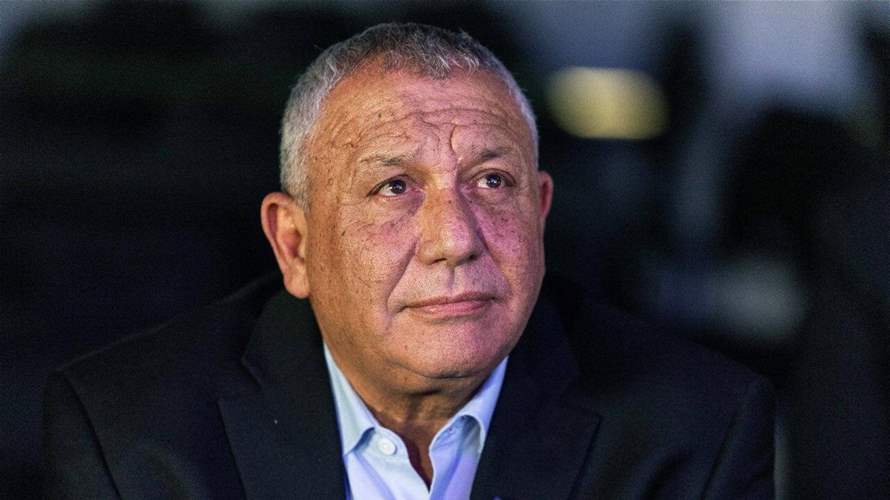
In a significant political development following last week's elections in Israel, the Joint List, the country's largest Arab party coalition, announced its support for Gadi Eisenkot, the leader of the opposition bloc, in his bid to form a new government. This endorsement marks a pivotal moment as the Joint List seeks to influence the political landscape amid ongoing discussions about government formation.
The decision by the Joint List to back Eisenkot reflects a strategic move to strengthen the representation of Arab interests within the Israeli political framework. By aligning with Eisenkot, the Joint List aims to leverage its influence in negotiations that could shape the future of governance in Israel, particularly in relation to issues affecting Arab communities.S1S2
As the political situation unfolds, Eisenkot will need to navigate a complex landscape of alliances and opposition to secure the necessary support for his government. The backing from the Joint List could provide him with a crucial advantage in this endeavor, as he works to build a coalition that reflects the diverse interests of the Israeli electorate.S1S2


