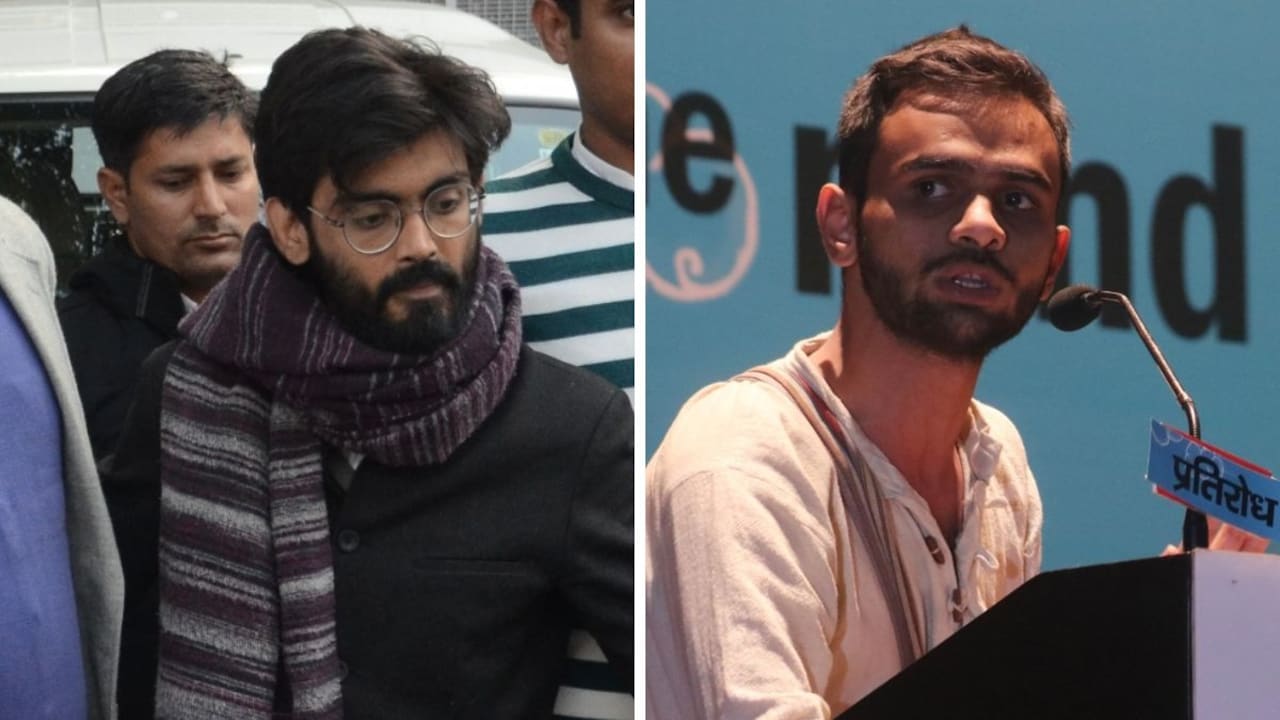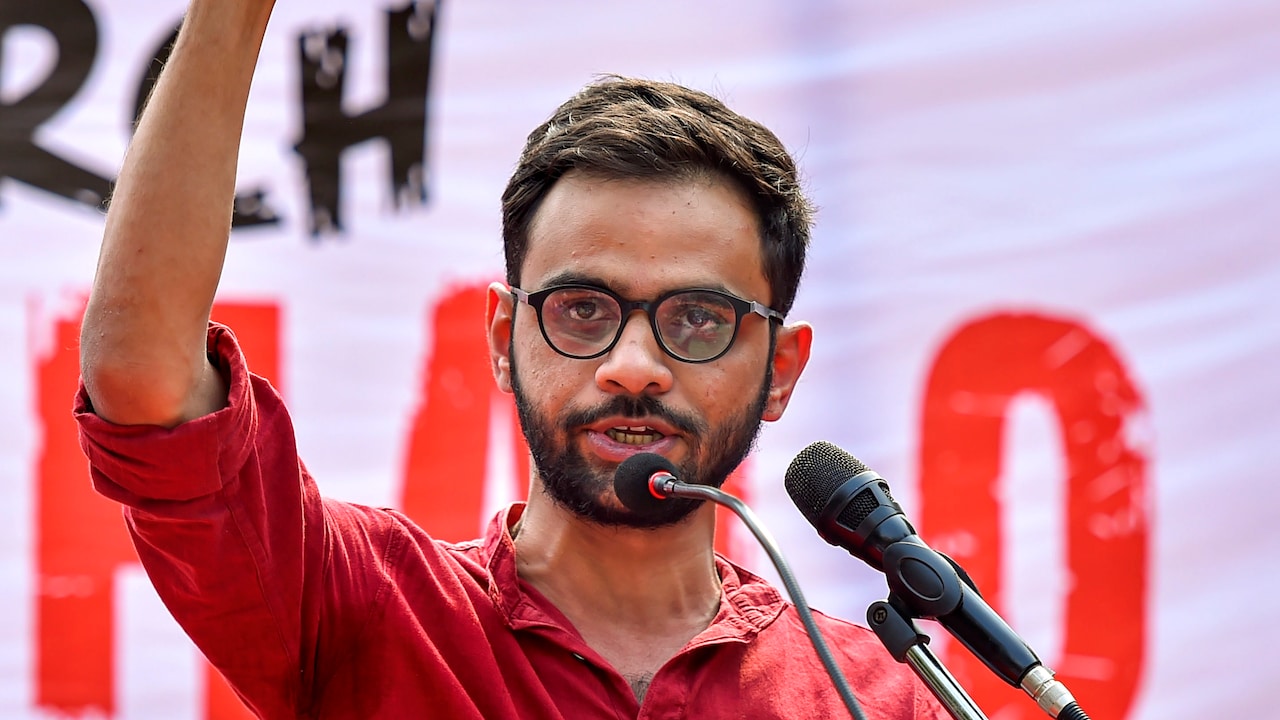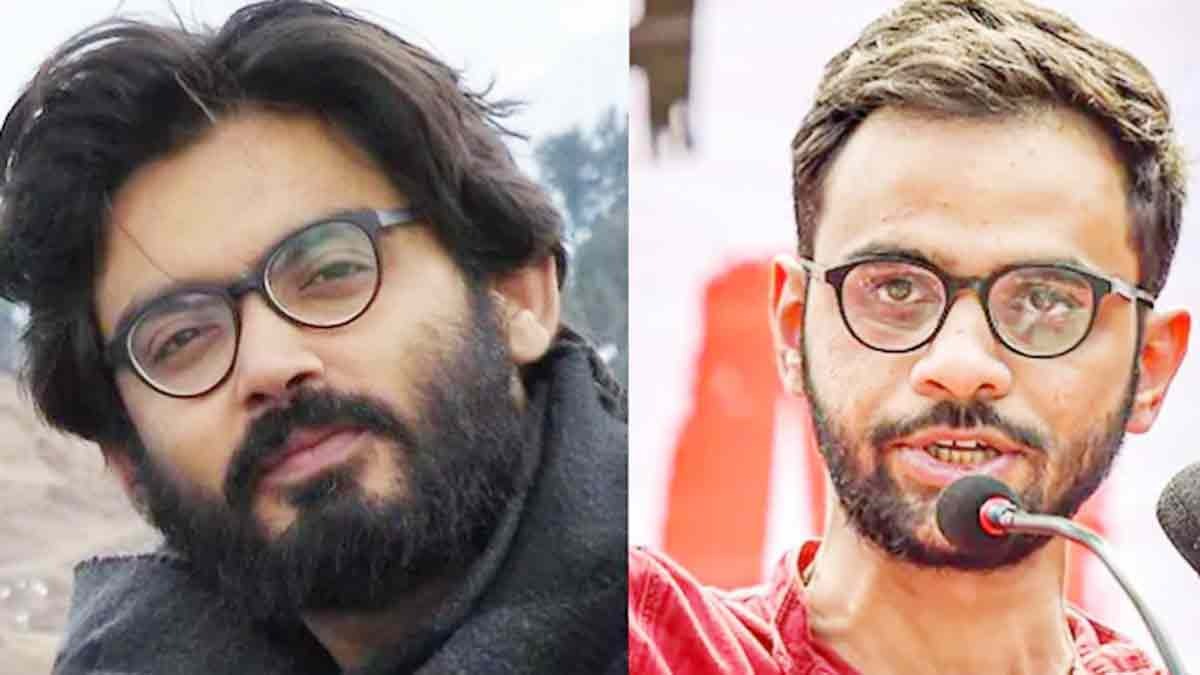
Activists Sharjeel Imam and Umar Khalid have approached the Supreme Court of India in a bid to overturn a Delhi High Court decision that denied them bail in a case linked to the alleged conspiracy behind the February 2020 riots in northeast Delhi. The two have been in jail as undertrials for over six years, and their plea highlights that the prosecution has yet to examine any of the 47 protected witnesses, a point raised by Imam in his application. They argue that the prolonged detention without a trial is unjust, especially as the one-year restriction imposed by the Supreme Court is nearing its end.
In their legal arguments, both Imam and Khalid contend that the failure to examine the protected witnesses undermines the prosecution's case against them. They assert that this lapse raises serious questions about the validity of the charges under the Unlawful Activities (Prevention) Act, which they are accused of violating. Their continued detention, they argue, is not only a violation of their rights but also a reflection of the systemic issues within the judicial process concerning such politically sensitive cases.S2
The Supreme Court's response to their plea will be closely watched, as it may set a precedent for how similar cases are handled in the future. The ongoing legal battle underscores the contentious nature of the Delhi riots case, which has seen significant public and political interest since the events unfolded in 2020. The court's decision could have implications not just for Imam and Khalid, but for the broader discourse surrounding civil liberties and the treatment of dissent in India.S1S2