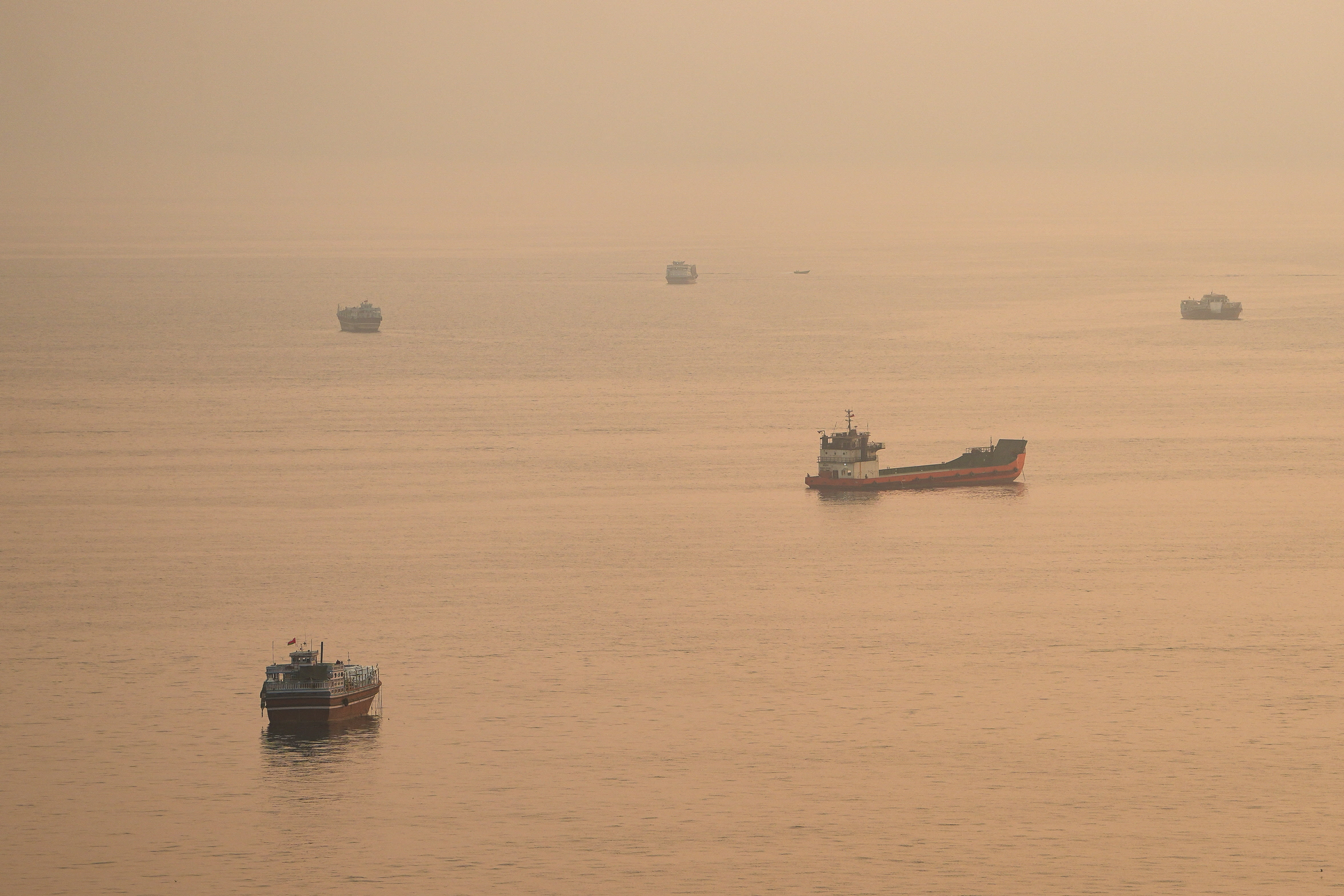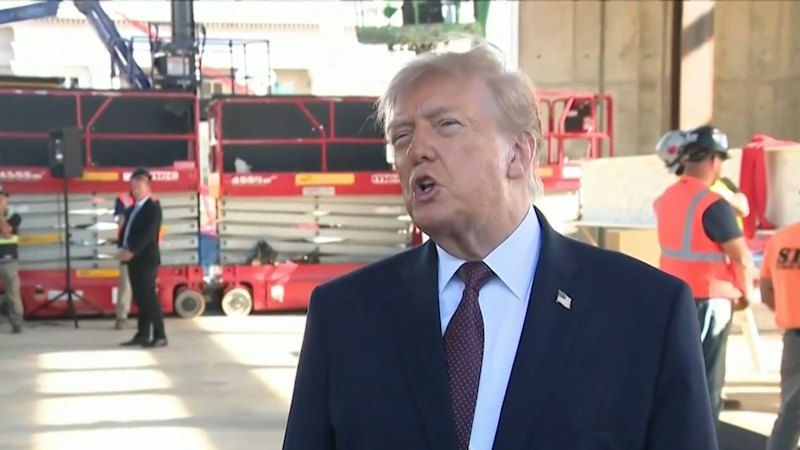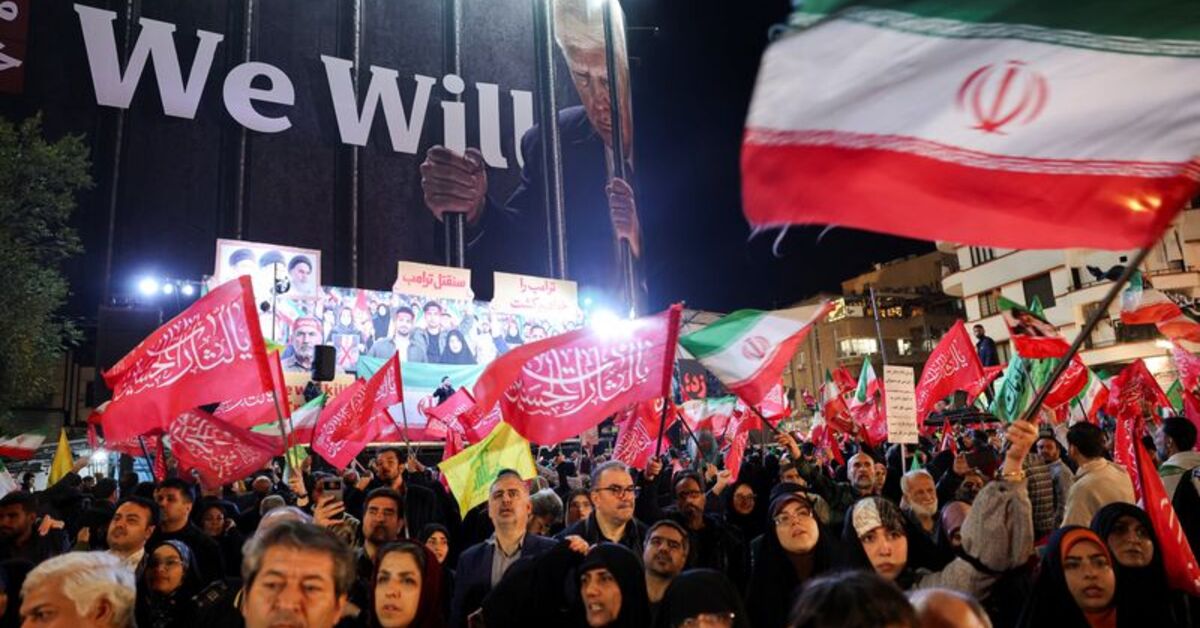
In a significant escalation of tensions, Iran reported that three more tankers were damaged in the Strait of Hormuz on November 5. This incident underscores the ongoing peril for shipping in the region, which remains a flashpoint as long as the war in the Gulf continues unresolved. The recent electoral defeat of President Donald Trump and his Republican allies in Congress has led to a re-evaluation of the political implications of the conflict, particularly among U.S. leadership, including Vice President JD Vance, who has been vocal about the need for a reassessment of U.S. involvement in the region.
The damage to the tankers highlights the precarious situation in the Strait of Hormuz, a vital maritime corridor through which a significant portion of the world's oil supply passes. The Iranian government has made it clear that it will continue to exert pressure on shipping in the area as a means of influencing U.S. policy and regional dynamics. The implications of these actions are profound, especially in light of the recent U.S. elections, which have shifted the political landscape regarding military engagements abroad.S1S2
As the situation develops, it remains to be seen how the U.S. administration will respond to these provocations. The ongoing conflict has already strained relations between the U.S. and Iran, and the recent electoral outcomes may further complicate diplomatic efforts aimed at resolving the tensions in the Gulf. The international community is closely monitoring these developments, particularly given the strategic importance of the Strait of Hormuz for global energy supplies.S1S2