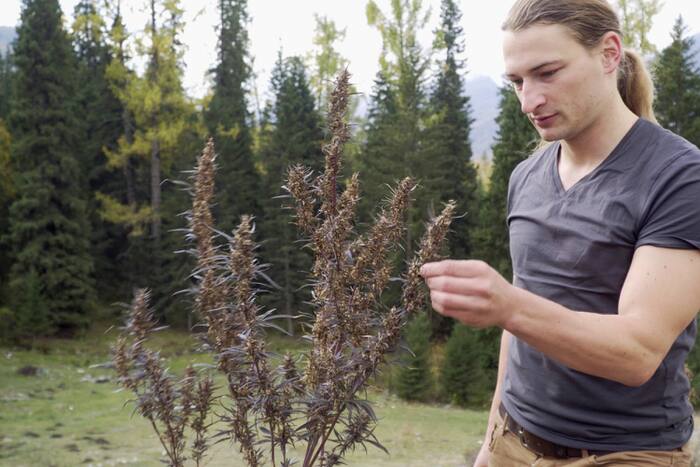
A recent discovery in a 2,800-year-old tomb in Siberia has provided the earliest evidence of cannabis use, suggesting that ancient cultures may have utilized the plant to induce a high. Archaeologists uncovered seeds and chemical compounds in the hair of a mummy, indicating that individuals were consuming marijuana possibly as a means to calm victims of human sacrifice, according to findings reported by Livescience.
The tomb, which dates back to the 7th century BCE, sheds light on the historical use of cannabis beyond its common associations today. The evidence points to a ritualistic or ceremonial application of the plant, highlighting its significance in ancient societies. This discovery aligns with growing research into the cultural and historical roles of cannabis across various civilizations.S1S2
As cannabis continues to gain recognition for its medicinal and recreational properties in modern contexts, this ancient use underscores a long-standing relationship between humans and the plant. The findings from the Siberian tomb not only enrich our understanding of historical practices but also invite further exploration into the social and cultural implications of cannabis use in antiquity.S1S2