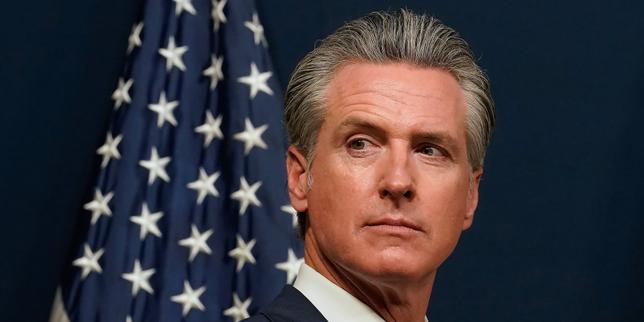
California Governor Gavin Newsom announced a historic decision to commute all death sentences in the state, a move he described as one of the most challenging of his career. With 548 individuals currently awaiting execution, California is home to one of the largest death row populations in the world. In a letter addressed to Californians, Newsom expressed his moral conviction against the death penalty, stating, "Many Californians feel that those who commit brutal crimes deserve to die. But as governor, I have concluded the state cannot morally kill them," underscoring the ethical implications of capital punishment in the state.
This decision comes in the context of California's long-standing moratorium on executions, which has been in place for the past two decades. While courts continue to impose the death penalty for serious crimes, the state has not carried out any executions during this time. Newsom's commutation of all death sentences reflects a significant shift in the state's approach to capital punishment, aiming to address the moral and ethical dilemmas associated with it.S2
The announcement has sparked a mix of reactions among the public and advocacy groups. Supporters of the decision argue that it aligns with a growing national trend towards abolishing the death penalty, citing concerns over wrongful convictions and the disproportionate impact on marginalized communities. Critics, however, contend that it undermines justice for victims of violent crimes and their families, highlighting the ongoing debate over the future of capital punishment in California and beyond.S1S2