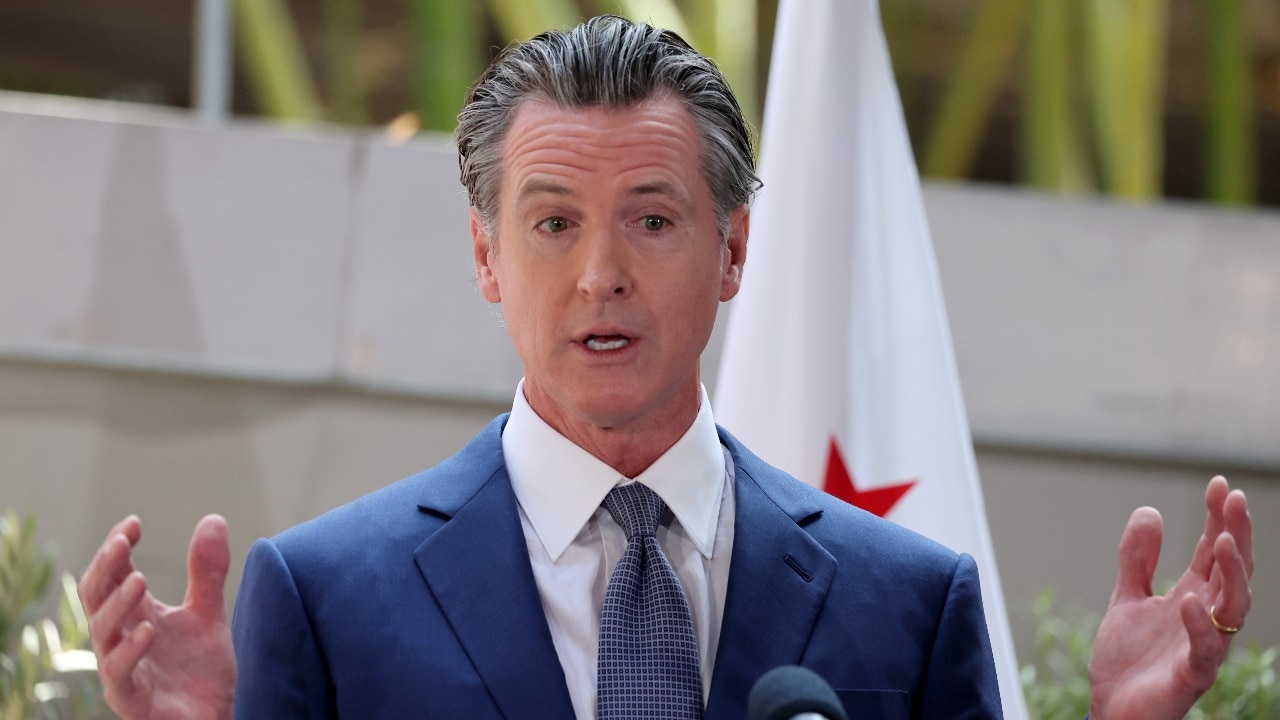
California Governor Gavin Newsom has announced plans to commute the death sentences of all 548 inmates currently on the state's death row, marking a historic move that would represent the largest clemency action in the United States. Newsom made this announcement in a three-page letter addressed to "all Californians," emphasizing his long-standing opposition to capital punishment. This decision comes as he nears the end of his second and final four-year term in office, and it reflects a significant shift in the state's approach to the death penalty, which has been a contentious issue for many years.
The timing of Newsom's announcement is particularly noteworthy, coinciding with the United States' plans to execute three individuals on the same day. This marks the second instance in 2026 where such executions are scheduled to occur, highlighting the ongoing national debate surrounding capital punishment and its moral implications. Newsom's decision is expected to reignite discussions about the future of the death penalty in California, where it has faced increasing scrutiny from various advocacy groups and the public alike.S2
California currently holds the largest death row population in the Western Hemisphere, and Newsom's action could set a precedent for other states considering similar measures. His administration has previously placed a moratorium on executions, and this latest move signals a definitive stance against the death penalty as a form of punishment. As California navigates this complex issue, the implications of Newsom's decision will likely resonate beyond state lines, influencing the national conversation on criminal justice reform and human rights.S1