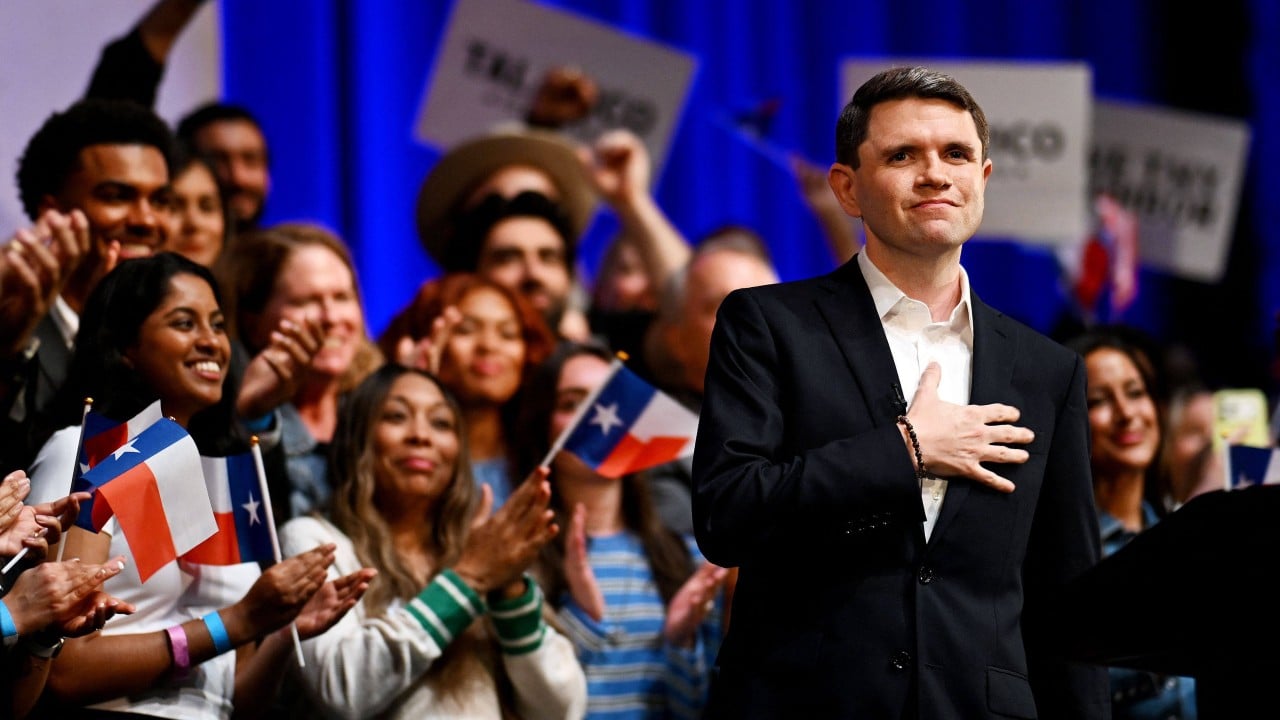
The recent midterm elections in the United States have significant implications for international relations, particularly concerning China. Following the Democrats' sweeping victory, there is a growing expectation that the U.S. will adopt a tougher stance on artificial intelligence and technology issues, potentially squeezing China in these critical sectors. Beijing has responded by affirming its commitment to maintaining a constructive relationship with Washington, emphasizing the importance of strategic stability in bilateral talks.
In addition to the political landscape, the U.S. midterms have also influenced the academic realm. A notable case is that of a star mathematician who has decided to leave the United States, which raises concerns about the brain drain affecting the country. This departure highlights broader issues regarding the retention of talent and the impact of political climates on academic freedom and innovation within the U.S.S1S2
As the U.S. navigates its new political reality, the implications for China extend beyond technology and talent. The Democrats' control may lead to a reevaluation of existing trade agreements and diplomatic strategies, potentially reshaping the economic landscape between the two nations. Observers are keenly watching how these developments will unfold in the coming months, particularly in terms of trade policies and international cooperation.S1S2