80th Anniversary of Kielce Pogrom

Poland
The brief

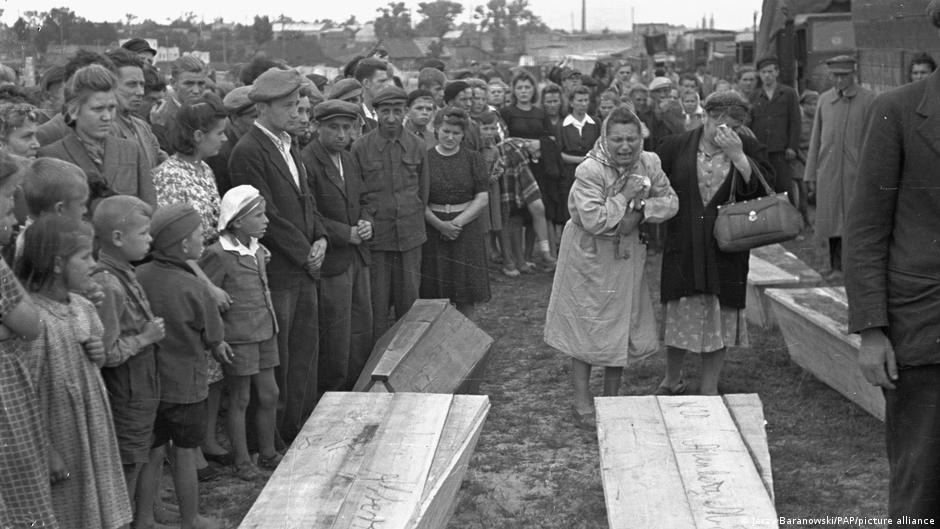
The 80th anniversary of the Kielce pogrom, where a mob killed around 40 Jews in Poland, highlights the tragic events that unfolded just after World War II.

Context

The Kielce pogrom occurred in 1946, fueled by false accusations of ritual child murder, leading to violence against Jewish survivors in the city.S1S2

Key points

  • The pogrom took place in Kielce, Poland, shortly after World War II.S1S2
  • Around 40 Jews were killed during the incident.S1S2
  • Some victims were Holocaust survivors returning to their homes.S1S2
  • The violence was incited by a lie regarding ritual child murder.S1S2
  • The event is a significant moment in Polish-Jewish history.S1S2
  • The pogrom reflects the broader context of post-war anti-Semitism in Europe.S1S2
  • Commemorations are being held to remember the victims and educate about the past.S1S2
  • The anniversary serves as a reminder of the dangers of hate and misinformation.S1S2

Why it matters

  • Understanding the Kielce pogrom is crucial for acknowledging historical injustices against Jews.S1S2
  • The event illustrates the impact of propaganda and false narratives on societal violence.S1S2
  • Commemorating such events helps to combat anti-Semitism and promote tolerance.S1S2

What to watch

  • Monitor discussions and events surrounding the anniversary in Poland.S1S2
  • Watch for educational initiatives aimed at addressing historical anti-Semitism.S1S2
  • Observe how the anniversary influences current dialogues on hate and discrimination.S1S2
Timeline · newest first
3mos Deutsche Welle · 5 reports

Kielce pogrom in Poland: 80th anniversary of 1946 massacre

Just over a year after World War II ended, a mob in the Polish city of Kielce killed around 40 Jews, some of them Holocaust survivors. A lie about ritual child murder escalated the…

80th Anniversary of Kielce Pogrom

1 outlet 5 reports
The brief

The 80th anniversary of the Kielce pogrom, where a mob killed around 40 Jews in Poland, highlights the tragic events that unfolded just after World War II.

Context

The Kielce pogrom occurred in 1946, fueled by false accusations of ritual child murder, leading to violence against Jewish survivors in the city.S1S2

Key points

  • The pogrom took place in Kielce, Poland, shortly after World War II.S1S2
  • Around 40 Jews were killed during the incident.S1S2
  • Some victims were Holocaust survivors returning to their homes.S1S2
  • The violence was incited by a lie regarding ritual child murder.S1S2
  • The event is a significant moment in Polish-Jewish history.S1S2
  • The pogrom reflects the broader context of post-war anti-Semitism in Europe.S1S2
  • Commemorations are being held to remember the victims and educate about the past.S1S2
  • The anniversary serves as a reminder of the dangers of hate and misinformation.S1S2

Why it matters

  • Understanding the Kielce pogrom is crucial for acknowledging historical injustices against Jews.S1S2
  • The event illustrates the impact of propaganda and false narratives on societal violence.S1S2
  • Commemorating such events helps to combat anti-Semitism and promote tolerance.S1S2

What to watch

  • Monitor discussions and events surrounding the anniversary in Poland.S1S2
  • Watch for educational initiatives aimed at addressing historical anti-Semitism.S1S2
  • Observe how the anniversary influences current dialogues on hate and discrimination.S1S2
Timeline · newest first

Sources · 3 citations

S1S2S3 Deutsche Welle 5 reports · EN