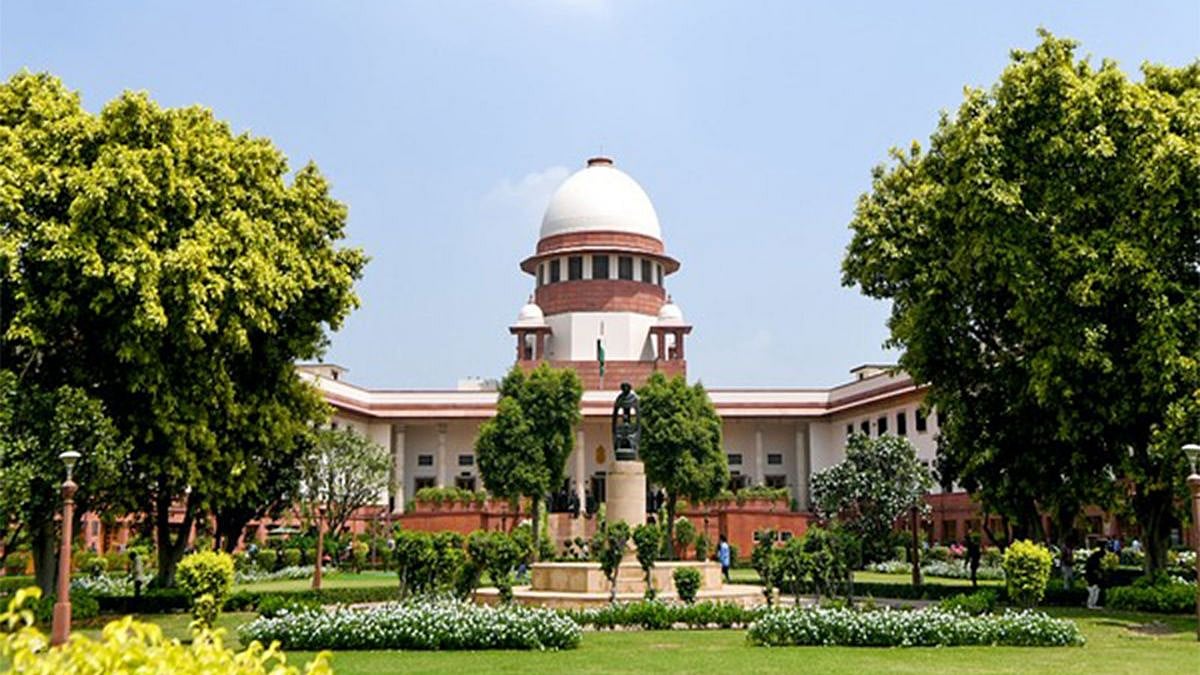
In a significant ruling, the Supreme Court of India has clarified that compulsory retirement for government employees is not a punitive measure nor does it imply any misconduct on the part of the employee. The ruling came as the court upheld the Chhattisgarh government's decision to retire five of its 14 employees, emphasizing that such orders are based on the subjective satisfaction of the competent authority, rather than any finding of wrongdoing.
The bench, comprising Justices Manmohan and Shree Chandrashekhar, stated that compulsory retirement does not carry a stigmatic connotation and does not adversely affect the reputation of the employees involved. This clarification is crucial as it addresses concerns regarding the implications of such retirement orders, which have often been viewed with skepticism by employees and unions alike.S1
The ruling reinforces the perspective that compulsory retirement can be a necessary administrative action, aimed at maintaining the efficiency and integrity of government services, without labeling the affected employees as having committed any misconduct. This decision is expected to influence how similar cases are handled in the future, providing a clearer framework for government authorities.S2