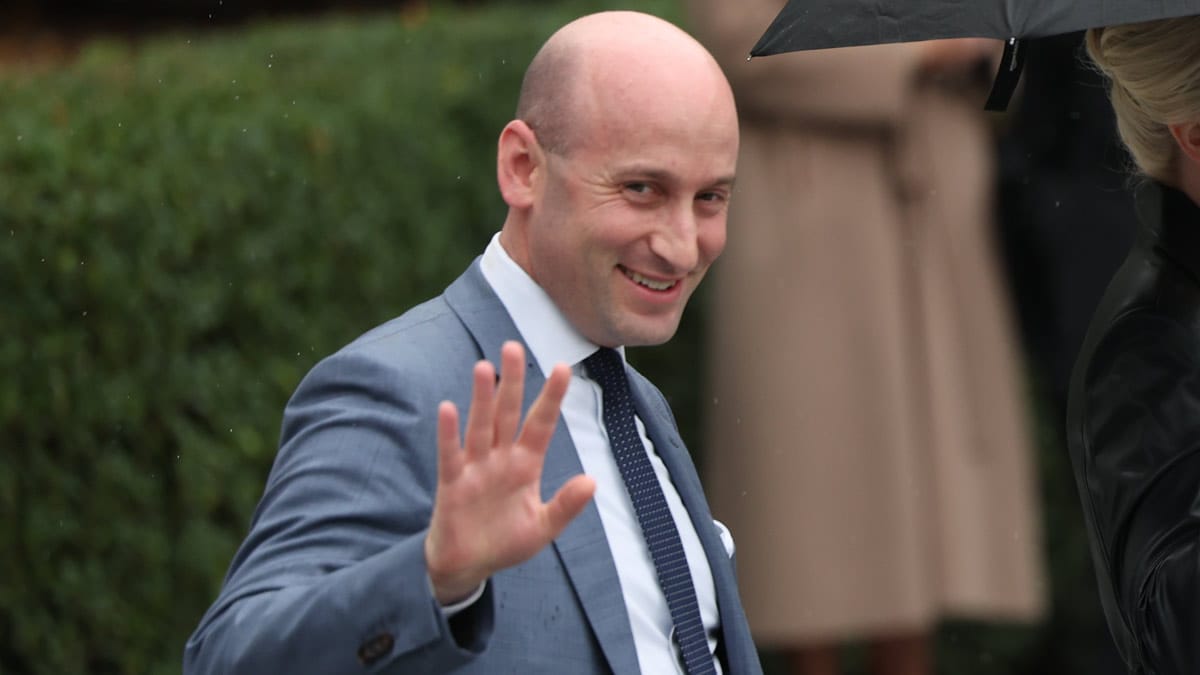
In a strategic move following a disappointing midterm election, Donald Trump has appointed Stephen Miller as his new White House chief of staff. This decision reflects Trump's intent to adopt a more confrontational approach with the Democratic Congress, favoring executive overreach over political compromise. Miller, known for his hardline stance on immigration and loyalty to Trump, is expected to reinforce the administration's ideological agenda during a period of increased scrutiny and opposition from Democrats.
Miller's appointment comes on the heels of the controversial firing of Susie Wiles, who was abruptly dismissed from her role as chief of staff just before she was set to transition into a significant position within Trump's political operation. Wiles, referred to as the 'ice queen' by some, has faced stunning corruption allegations that have marred her tenure. This shake-up in the White House staff underscores the turbulent political landscape as Trump seeks to consolidate power and rally his base after the electoral setback.S2
The changes in leadership are indicative of Trump's broader strategy as he prepares for the upcoming political battles. With Miller at the helm, the administration is likely to double down on its core policies and confrontations, particularly in areas such as immigration reform and executive actions that may provoke further clashes with Congress. As Trump navigates this new phase, the implications of these appointments will be closely monitored by both supporters and critics alike.S1S2