The brief
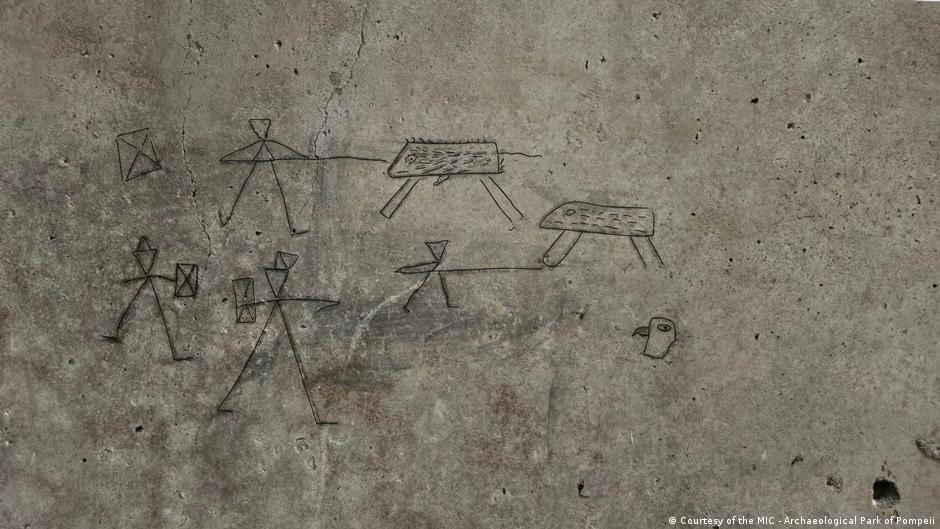
Recent research into ancient graffiti from Pompeii offers a glimpse into the daily lives and interests of its inhabitants nearly 2,000 years ago.
Context
The study of graffiti in Pompeii has gained traction among researchers seeking to uncover the social dynamics and cultural interests of the time.S1S2
Key points
- Graffiti in Pompeii reflects the humor and concerns of ordinary people.S1S2
- The inscriptions reveal a fascination with gladiators among the Pompeiians.S1S2
- Researchers are increasingly using graffiti as a primary source for historical insights.S1S2
- The findings contribute to a broader understanding of Roman social life.S1S2
- Graffiti provides context to the cultural and entertainment preferences of the era.S1S2
- The study highlights the importance of everyday artifacts in historical research.S1S2
- Graffiti serves as a form of expression for the common people of Pompeii.S1S2
- The research underscores the relevance of non-traditional sources in archaeology.S1S2
Why it matters
- Understanding graffiti helps reconstruct the social fabric of ancient societies.S1S2
- Insights from graffiti can challenge traditional narratives about historical populations.S1S2
- The study emphasizes the value of everyday life in historical scholarship.S1S2
What to watch
- Further research may reveal more about the cultural practices of Pompeii's residents.S1S2
- Future studies could explore the implications of graffiti on our understanding of Roman history.S1S2
- Watch for new findings that may emerge from ongoing archaeological efforts in Pompeii.S1S2