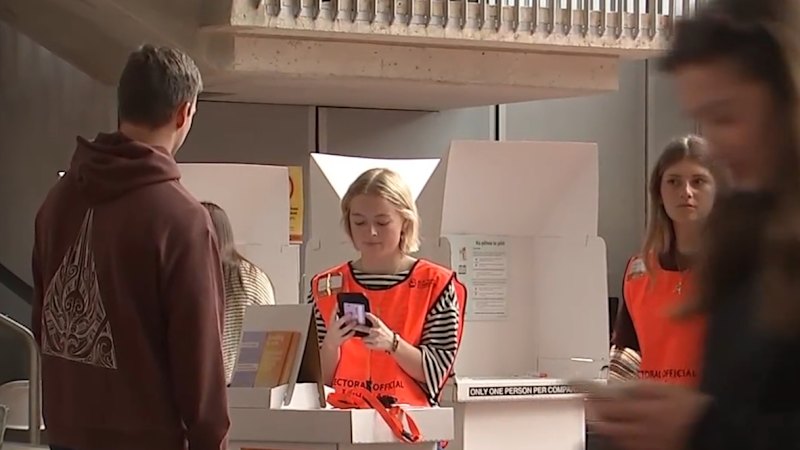
The New Zealand election remains too close to call following the initial count of votes, with both major parties indicating that the final results will take time to determine. Prime Minister Christopher Luxon, leading the National Party, expressed optimism, stating he has a pathway to form the next government despite the uncertainty surrounding the election outcome. This sentiment reflects the competitive nature of the election, highlighting the potential for a coalition government depending on how the remaining votes are tallied.
As the counting progresses, the leaders of the main parties are preparing for various scenarios, with both sides acknowledging the tight race. The National Party and its competitors are awaiting further results that could shift the balance of power in Parliament. The election's outcome is crucial, as it will set the direction for New Zealand's policies and governance in the coming years, making the stakes particularly high for voters and party leaders alike.S1
With the election results still pending, New Zealanders are left in suspense, keenly aware that the final decision on governance may hinge on a few remaining votes. As the counting continues, the political landscape remains fluid, with both major parties strategizing for potential coalition negotiations. The election's significance extends beyond immediate governance, as it could influence New Zealand's stance on key issues such as climate policy and economic recovery.S2