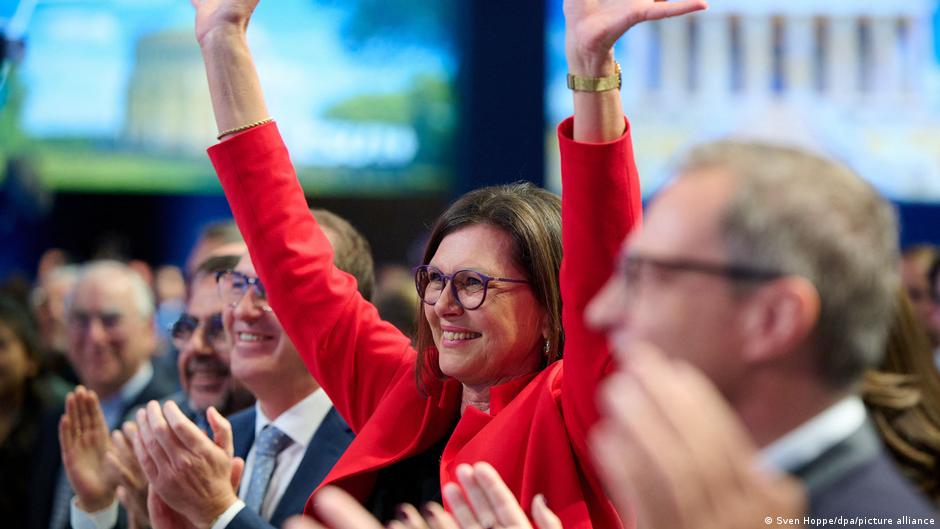
In a significant political move, German Chancellor Friedrich Merz has announced his intention to nominate Ilse Aigner as the country’s first female president. This endorsement is seen as a pivotal step towards Aigner's potential ascent to Germany's highest office, which is set to take place next year. Merz's support is expected to solidify Aigner's position as a leading candidate for the presidency, marking a historic moment in German politics.
Ilse Aigner, currently a prominent figure in Bavarian politics, has been recognized for her leadership and experience, making her a suitable candidate for this landmark role. The nomination not only represents a breakthrough for gender representation in German politics but also reflects a broader trend towards inclusivity in leadership positions across Europe. Aigner's potential presidency could inspire a new generation of female leaders in the country.S1
As the political landscape evolves, Aigner's nomination is anticipated to be a focal point of discussion in the lead-up to the election. With Merz's backing, she is positioned to challenge the traditional norms of the presidency in Germany, which has historically been held by male leaders. This nomination could also influence the strategies of other political parties as they prepare for the upcoming election cycle.S2