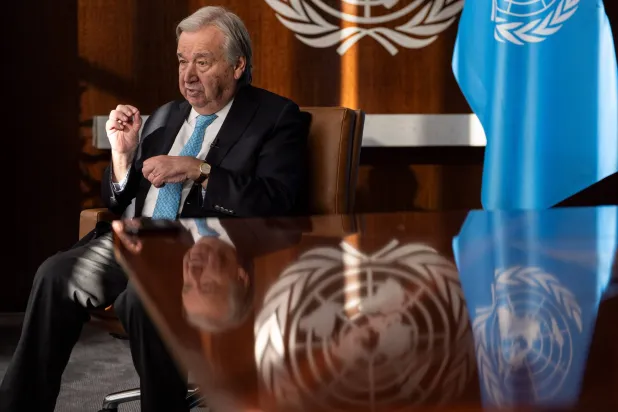
World leaders, delegates, and climate activists are gathering in Antalya, Turkey, for the U.N. climate summit, known as COP31, which kicks off on Monday. This summit comes on the heels of a year marked by extreme weather events, including rising temperatures and deadly heat waves across Europe and other regions. The urgency of the discussions is underscored by the impact of climate change, which has been linked to catastrophic disasters such as the severe floods in Nepal.
The summit is particularly significant as it occurs against the backdrop of geopolitical tensions, notably the ongoing war in Iran, which has effectively closed the Strait of Hormuz. This closure has contributed to rising global prices for gasoline and oil, adding another layer of complexity to the negotiations aimed at curbing climate change. Leaders are expected to address these intertwined issues as they seek to forge a path forward in combating climate change while navigating the challenges posed by current global conflicts.S3
As negotiations commence, the focus will be on actionable commitments to reduce greenhouse gas emissions and enhance resilience against climate-related disasters. The outcomes of COP31 could have far-reaching implications for international climate policy, especially in light of the recent extreme weather patterns that have affected millions worldwide. The summit represents a critical juncture for nations to collaborate on solutions to one of the most pressing issues of our time.S1S2