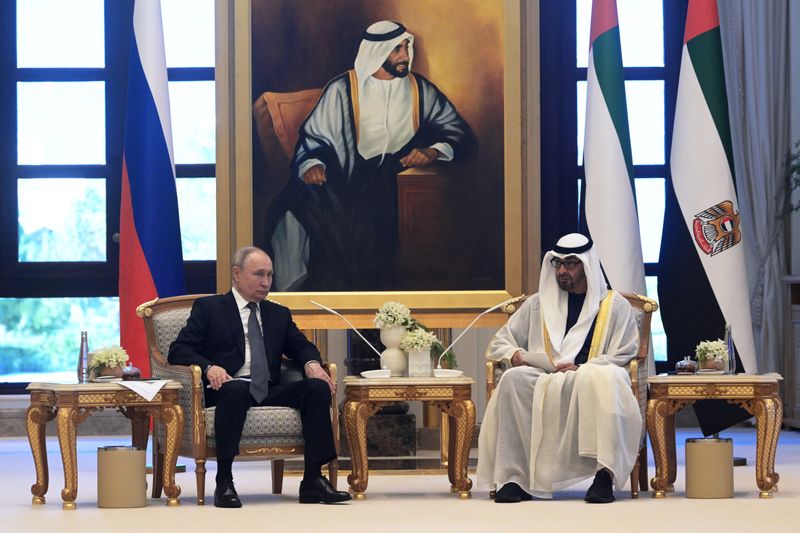
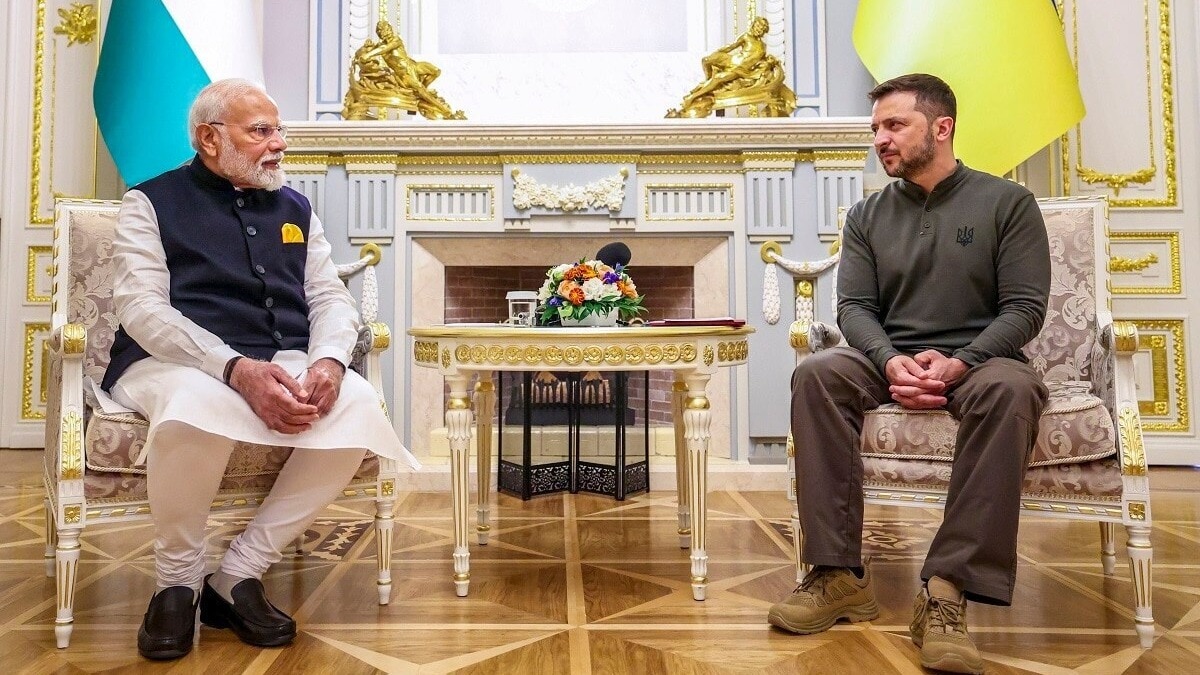
Russian and Ukrainian officials are set to meet in Abu Dhabi on Tuesday for two days of US-brokered peace talks, marking their first discussions since February. This diplomatic initiative follows recent comments from President Donald Trump, who indicated that a broad peace deal could be achievable in the ongoing conflict, which has persisted for over four years. Trump's remarks suggest that any potential agreement might also address security concerns in Europe, underscoring the international dimensions of the conflict.
The upcoming talks will involve representatives from European powers, including officials from France, Germany, and the European Commission, indicating a concerted effort to engage multiple stakeholders in the peace process. However, Russia has signaled its reservations about the structure of the negotiations, emphasizing that it will not accept any preconditions from Ukraine or the West regarding the discussions. This stance highlights the complexities and challenges that lie ahead in achieving a lasting resolution to the conflict.S1
As the world watches, the outcome of these talks could have significant implications for the geopolitical landscape in Europe and beyond, particularly in light of the ongoing tensions stemming from the Ukraine war. The meeting represents a critical juncture for both nations, as they navigate the intricacies of diplomacy amid a backdrop of military conflict and international scrutiny.S2