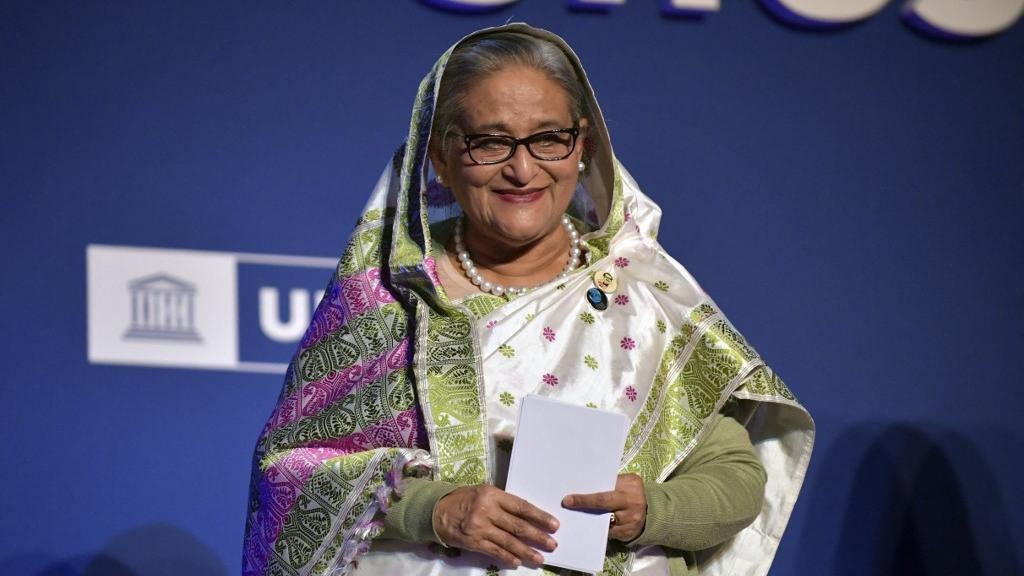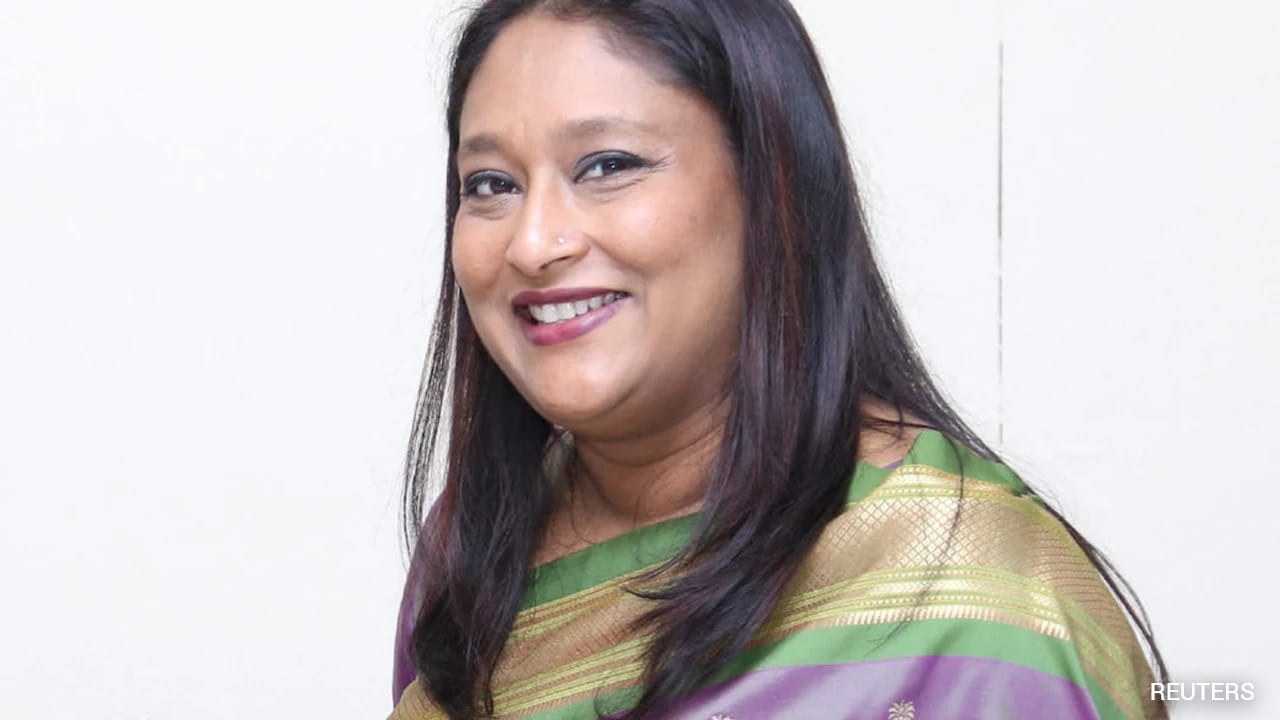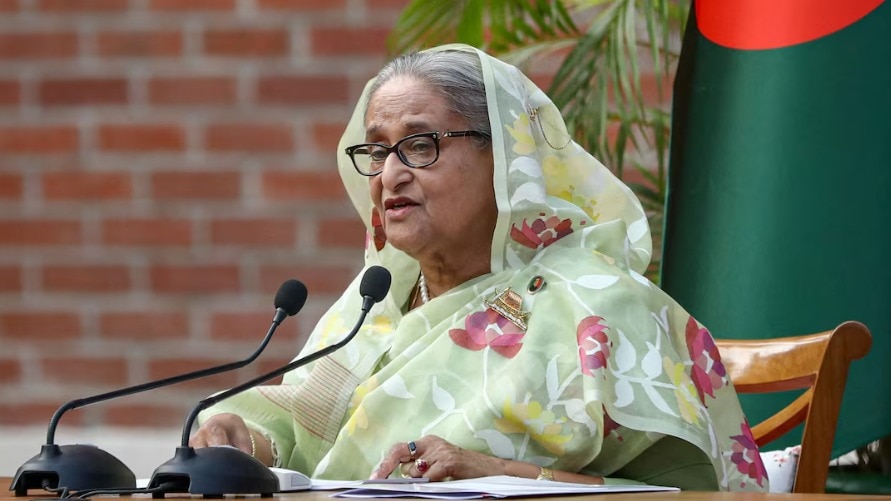
Sheikh Hasina, the ousted Prime Minister of Bangladesh, is facing a grim legal reality as the Chief Prosecutor of the International Crimes Tribunal, Md Aminul Islam, stated that she has no legal recourse left but to confront the execution of her death sentence. This assertion was made on Tuesday, emphasizing that there will be no issuance of a passport or any travel documents for Hasina, effectively sealing her fate within Bangladesh's legal framework. Reports indicate that a London-based legal chamber had sought a new passport and national identity card for her, but these requests have been firmly rejected by the Bangladeshi authorities.
The context of this situation is particularly tense, as Hasina's legal team appears to be exploring all avenues to avoid her impending execution. The statement from Md Aminul Islam underscores the government's position on the matter, which has been a point of contention for many in Bangladesh and abroad. The legal chamber's involvement suggests that there is an ongoing effort to navigate the complexities of international law, but the Bangladeshi government's stance remains resolute against any form of leniency or negotiation regarding Hasina's sentence.S1S2
As the situation unfolds, the implications for Bangladesh's political landscape could be significant. Hasina's ousting and subsequent death sentence have drawn international attention, raising questions about the rule of law and human rights in the country. The international community will likely be watching closely as the legal proceedings continue, particularly in light of the recent statements from the Chief Prosecutor, which seem to close off any potential diplomatic resolutions.S3