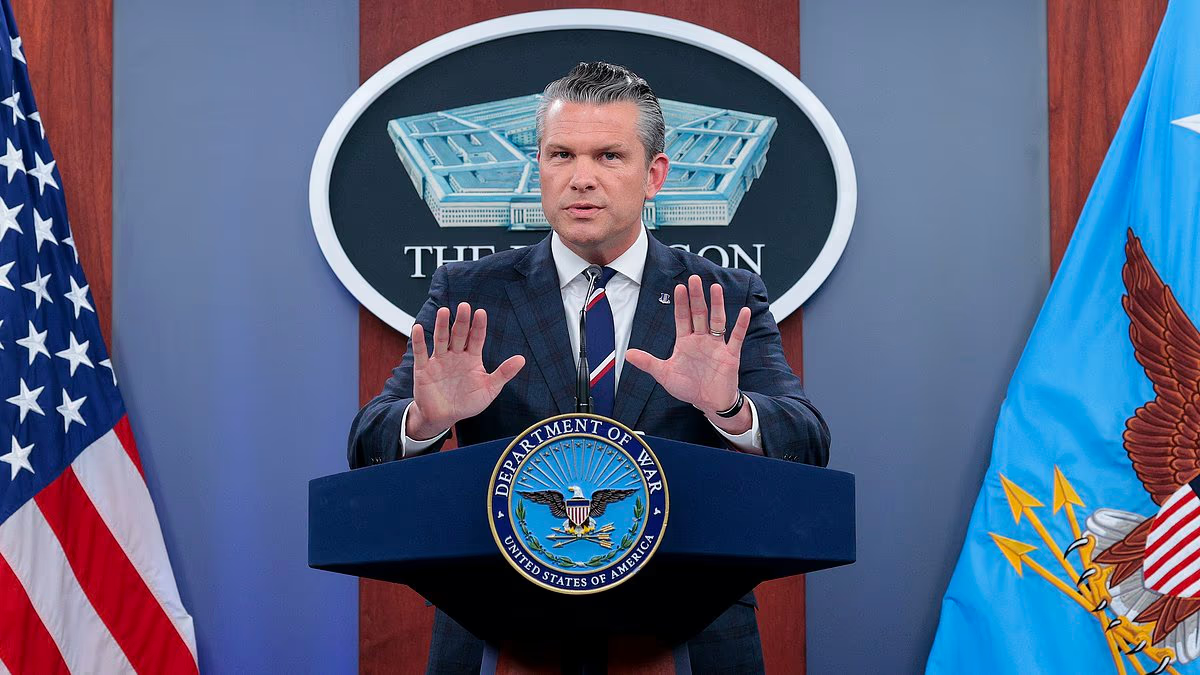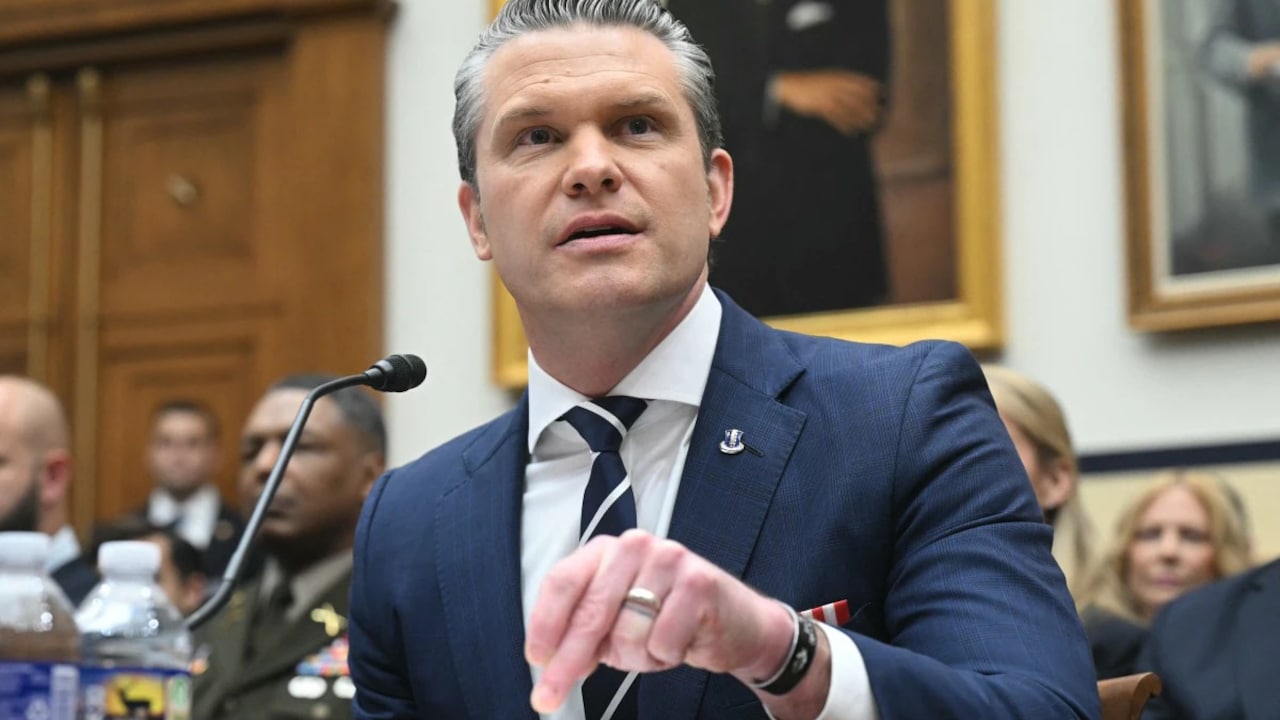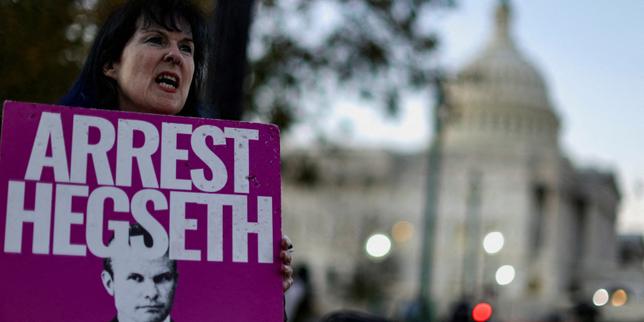
In a significant political move, the Republican-led House of Representatives has decisively rejected an impeachment effort against Defense Secretary Pete Hegseth. This initiative aimed to hold Hegseth accountable for his management of military operations, particularly in Iran and other conflict zones. The impeachment push was characterized by its proponents as a response to Hegseth's controversial policies, which they argue have undermined the effectiveness of American troops in war zones.
The rejection of the impeachment effort highlights the ongoing tensions within the Republican Party regarding military strategy and leadership. Critics of Hegseth have accused him of failing to adequately support American forces, framing their concerns as not just political disagreements but as serious implications for national security. However, the majority of House Republicans have rallied around Hegseth, viewing the impeachment attempt as an unnecessary distraction from pressing national issues.S1S2
The implications of this decision extend beyond the immediate political landscape, as it reflects broader divisions within the party over foreign policy and military engagement. As the U.S. continues to navigate complex military operations abroad, the support for Hegseth suggests a unified front among Republicans in favor of his approach, despite the criticisms leveled against him.S1S2