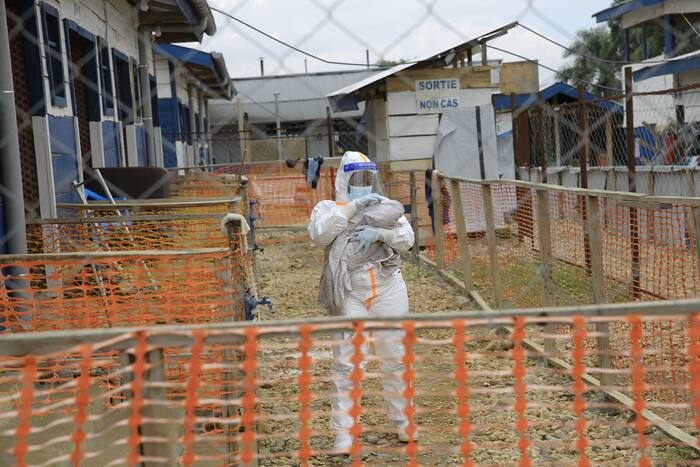
The Nigeria Centre for Disease Control and Prevention (NCDC) reported that as of November 9, 2026, 28 individuals connected to the country’s single imported case of Bundibugyo virus disease are still under surveillance, while 34 others have successfully completed their mandatory 21-day follow-up. Dr. Jide Idris, the Director-General of the NCDC, emphasized that the agency is intensifying its response to the outbreak through collaborative efforts with the Federal Ministry of Health and Social Welfare, the Federal Capital Territory Administration, state authorities, and various development partners.
Dr. Idris clarified that being identified as a contact does not necessarily indicate that a person has contracted the virus. The 21-day monitoring period is crucial for health officials to detect any potential symptoms early and provide necessary medical interventions. He also noted that the agency is actively investigating reported alerts and maintaining heightened surveillance across Nigeria to ensure that any suspected cases are promptly identified and addressed. The NCDC had initially projected that the surveillance of all 62 contacts traced to the imported Ebola case would be concluded by November 13, 2026.S1
The situation arose after the Federal Government confirmed an Ebola case in the Federal Capital Territory (FCT) in October. The index patient, a woman who had recently traveled from Uganda, was admitted to a private hospital in the FCT for several days before her diagnosis was confirmed. Following her treatment, she was evacuated to Switzerland for further medical care. The Coordinating Minister of Health and Social Welfare, Ali Pate, reported that 44 close contacts were initially identified for tracing to prevent further transmission of the virus. Additionally, the NCDC announced on October 31 the identification of two suspected Ebola cases in the North-East, which has prompted further surveillance and investigation efforts.S1S2