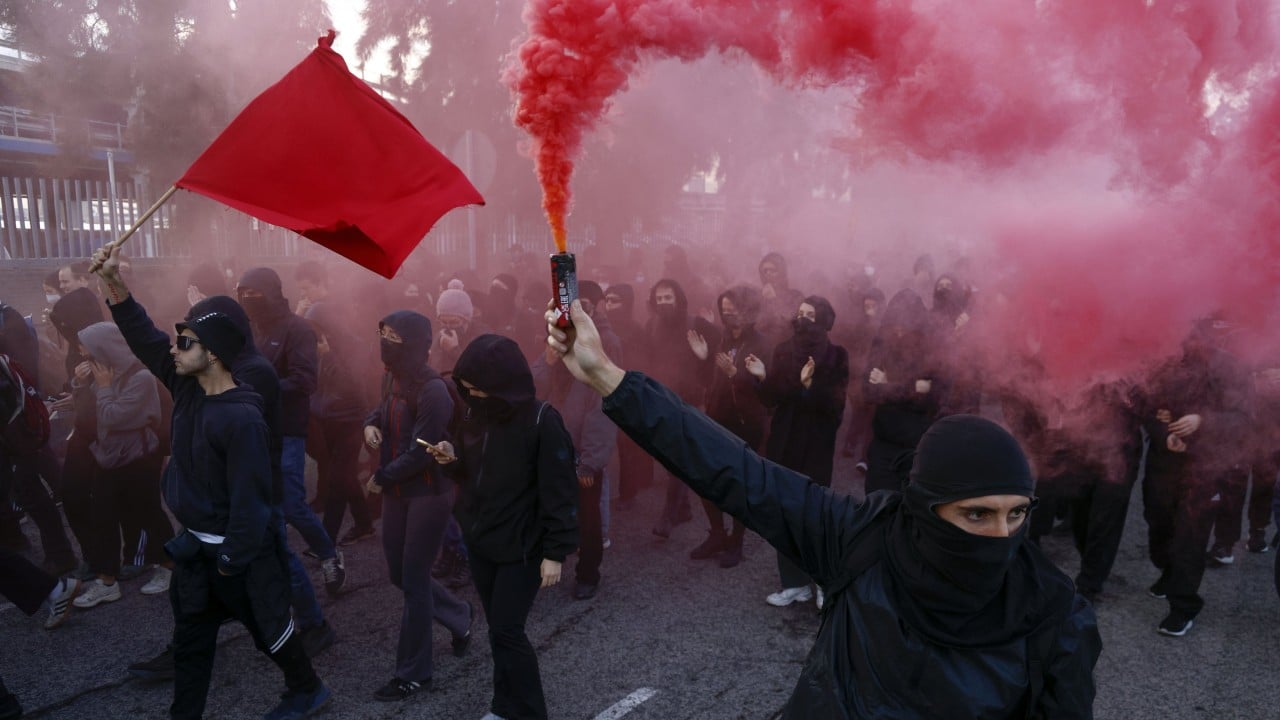
Spain is witnessing its first general strike in 14 years, as millions of workers took to the streets on Wednesday to protest against soaring housing costs and low wages. The strike comes less than three weeks ahead of a snap national election scheduled for November 29, which has raised concerns that the far-right could gain significant political power. Unions organized the action to demand urgent government intervention in the ongoing housing crisis, which has left many Spaniards struggling to afford basic living conditions. Despite adverse weather conditions, demonstrators set up picket lines across the country, showcasing their determination to address the affordability crisis affecting housing.
The strike has had a significant impact on daily life in Spain, causing delays in public transport and disruptions in factories throughout the euro zone's fourth-largest economy. Workers from various sectors participated, highlighting the widespread discontent with the current economic situation. The protests reflect a growing frustration among the populace, who are increasingly vocal about their demands for better wages and more affordable housing options as they prepare for the upcoming elections. The timing of the strike, just weeks before the election, underscores the urgency of the issues at hand and the potential for political change in the country.S1S2
As Spain grapples with these pressing economic challenges, the general strike serves as a pivotal moment for workers' rights and social justice in the country. The outcome of the November 29 election could significantly influence the government's approach to addressing these issues, particularly if the far-right parties gain traction. With millions of Spaniards directly affected by the housing crisis, the demands for reform are likely to shape the political landscape in the coming months, making this strike not just a protest but a critical juncture in Spain's socio-political narrative.S1S2