Mississippi Elects Its First Black Senator Since Reconstruction

United States
The brief

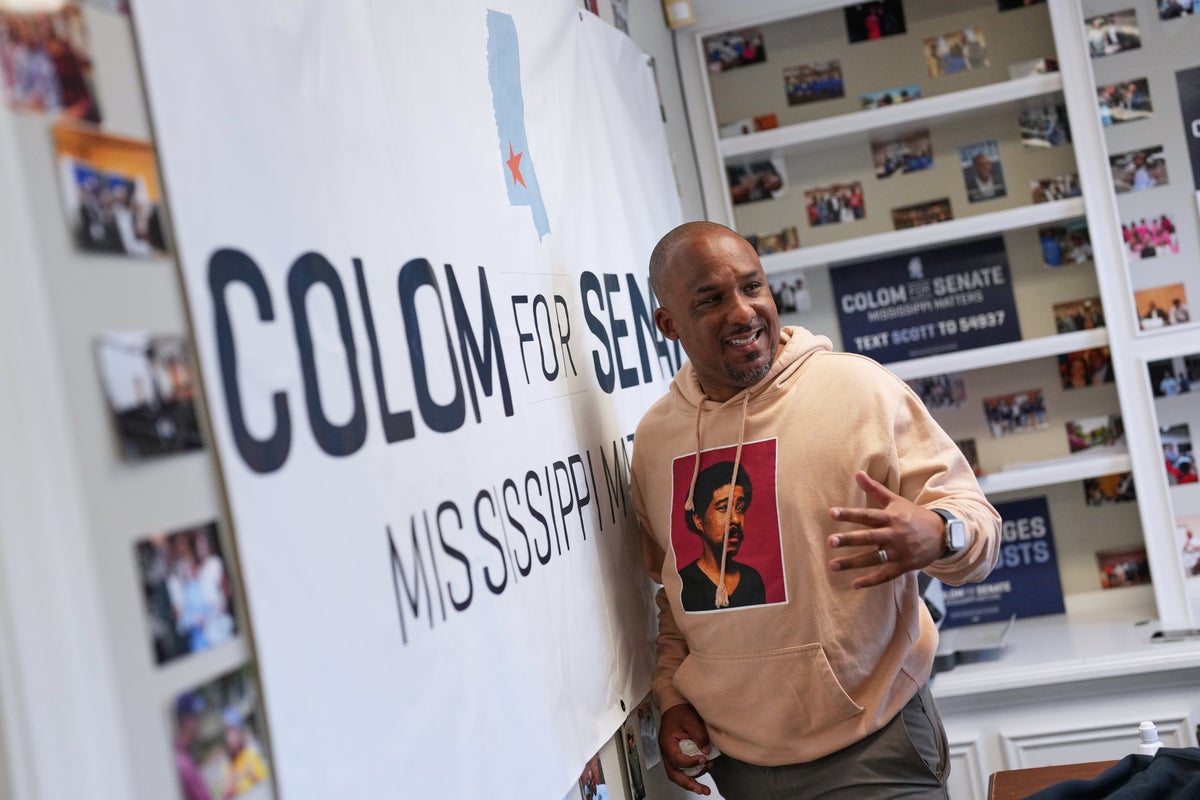
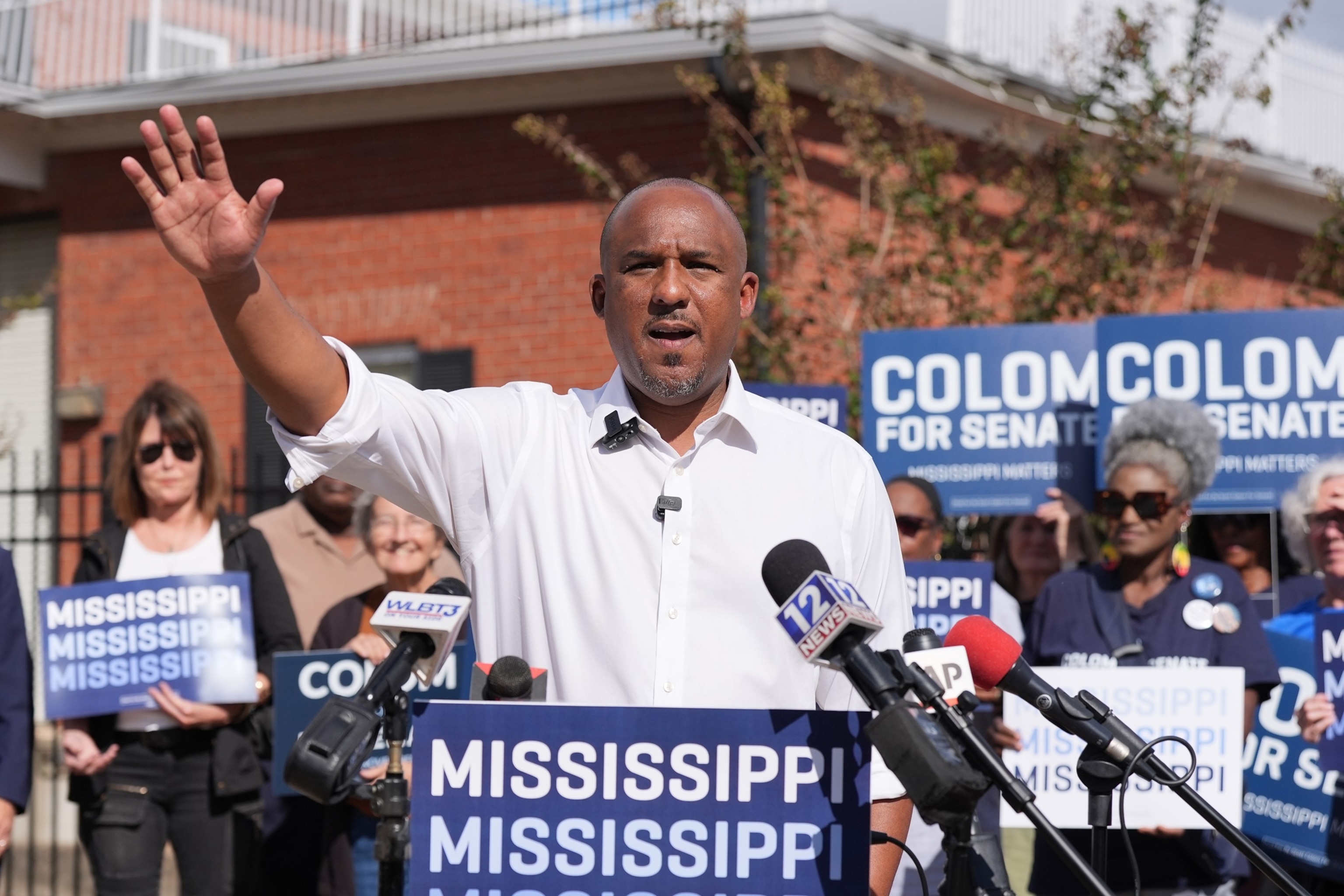
In a historic election, Democrat Scott Colom has made history as the first Black U.S. senator from Mississippi since Reconstruction, marking a significant moment in a state long defined by its violent history of Jim Crow laws. Colom, who previously served as the district attorney, campaigned from the driveway of the house once owned by civil rights leader Medgar Evers, who was assassinated in 1963. Holding T-shirts that read "Jim Crow Must Go," Colom urged voters to honor those who fought for voting rights by participating in the election. His victory is particularly striking given that Mississippi was a state where Donald Trump won by 23 points in the 2024 election, highlighting a dramatic shift in voter sentiment.

Colom's election not only ousts Republican incumbent Cindy Hyde-Smith but also adds to the Democratic majority in Congress, which now stands at 55 seats in the Senate. This marks the first time since the aftermath of the Civil War that Mississippi has elected a Black senator. The election is seen as a rebuke to ongoing threats against voting rights, particularly following the Supreme Court's recent decision in Louisiana v. Callais, which has galvanized Black voters in Mississippi. The turnout was notably high, with Black voters playing a crucial role in Colom's victory, motivated by a new struggle to protect their voting rights.S2

Colom's win is a reflection of the changing political landscape in Mississippi, a state that has historically been one of the most challenging places for Black Americans to exercise their voting rights. The legacy of violence against Black voters, including the lynching of Emmett Till and the assassination of civil rights activists, looms large in the state's history. The 2024 election results, which saw Colom leading by over 5,000 votes with 99 percent of ballots counted, also underscore the impact of recent legal challenges to voting procedures in the state. Despite the rejection of a significant number of affidavit ballots, the majority of those accepted were cast in favor of Colom, indicating strong support from the Black community in Hinds County, a Democratic stronghold.S1S2

As Mississippi moves forward, the implications of Colom's election extend beyond state lines, potentially influencing national politics and the Democratic Party's strategies in the South. The state’s Republican Governor Tate Reeves has already indicated plans to redraw electoral maps by 2027, aiming to eliminate the influence of Black representatives like Congressman Bennie Thompson. This announcement has sparked protests reminiscent of the civil rights era, with thousands rallying in Jackson, demonstrating the ongoing struggle for voting rights in a state that has seen both progress and resistance.S1
Timeline · newest first
1h Motherjones

Mississippi, Once the Epicenter of Jim Crow, Elects Its First Black Senator Since Reconstruction

For the closing ad of his US Senate campaign, Democrat Scott Colom stood in the driveway of the house that once belonged to Medgar Evers, the civil rights leader who was assassinat…

Mississippi Elects Its First Black Senator Since Reconstruction

2 outlets 2 reports
The brief

In a historic election, Democrat Scott Colom has made history as the first Black U.S. senator from Mississippi since Reconstruction, marking a significant moment in a state long defined by its violent history of Jim Crow laws. Colom, who previously served as the district attorney, campaigned from the driveway of the house once owned by civil rights leader Medgar Evers, who was assassinated in 1963. Holding T-shirts that read "Jim Crow Must Go," Colom urged voters to honor those who fought for voting rights by participating in the election. His victory is particularly striking given that Mississippi was a state where Donald Trump won by 23 points in the 2024 election, highlighting a dramatic shift in voter sentiment.

Colom's election not only ousts Republican incumbent Cindy Hyde-Smith but also adds to the Democratic majority in Congress, which now stands at 55 seats in the Senate. This marks the first time since the aftermath of the Civil War that Mississippi has elected a Black senator. The election is seen as a rebuke to ongoing threats against voting rights, particularly following the Supreme Court's recent decision in Louisiana v. Callais, which has galvanized Black voters in Mississippi. The turnout was notably high, with Black voters playing a crucial role in Colom's victory, motivated by a new struggle to protect their voting rights.S2

Colom's win is a reflection of the changing political landscape in Mississippi, a state that has historically been one of the most challenging places for Black Americans to exercise their voting rights. The legacy of violence against Black voters, including the lynching of Emmett Till and the assassination of civil rights activists, looms large in the state's history. The 2024 election results, which saw Colom leading by over 5,000 votes with 99 percent of ballots counted, also underscore the impact of recent legal challenges to voting procedures in the state. Despite the rejection of a significant number of affidavit ballots, the majority of those accepted were cast in favor of Colom, indicating strong support from the Black community in Hinds County, a Democratic stronghold.S1S2

As Mississippi moves forward, the implications of Colom's election extend beyond state lines, potentially influencing national politics and the Democratic Party's strategies in the South. The state’s Republican Governor Tate Reeves has already indicated plans to redraw electoral maps by 2027, aiming to eliminate the influence of Black representatives like Congressman Bennie Thompson. This announcement has sparked protests reminiscent of the civil rights era, with thousands rallying in Jackson, demonstrating the ongoing struggle for voting rights in a state that has seen both progress and resistance.S1

Timeline · newest first

Sources · 2 citations

S1 Motherjones 1 report · EN
S2 IndependentLead 1 report · EN