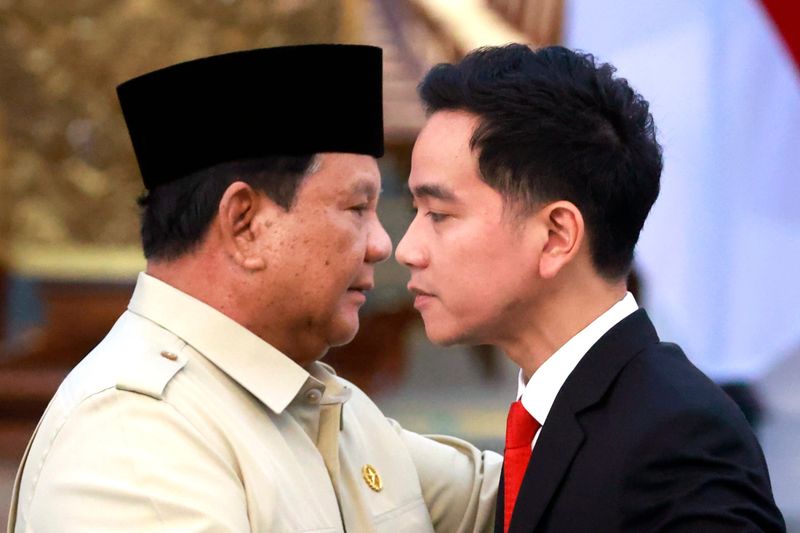
Indonesia's Vice-President Gibran Rakabuming Raka resigned on Thursday following significant scrutiny over his educational qualifications. This decision came after recent court rulings by the Constitutional Court and the Supreme Court, which determined that the documents he submitted regarding his overseas education did not fulfill the necessary election requirements. His resignation was submitted to the leadership of the People's Consultative Assembly at the parliament building in Jakarta, marking a pivotal moment in Indonesian politics as it triggers a constitutional process to fill the vice-presidential vacancy within 60 days.
The controversy surrounding Gibran's educational credentials escalated when a petition signed by 120 lawmakers from eight political parties initiated a parliamentary process that could have led to his impeachment. This petition highlighted the concerns over whether Gibran, the 39-year-old son of former President Joko Widodo, had violated constitutional requirements by serving in office without proper qualifications. Although he had initially offered to resign during a meeting with President Prabowo Subianto, the president had encouraged him to defend his position, leaving the situation uncertain until Gibran's formal resignation was announced.S1S2
The implications of Gibran's resignation are significant, as under Indonesian law, the vice-presidential vacancy does not prompt a new election. Instead, the position will remain unfilled until the People's Consultative Assembly selects a replacement from two candidates nominated by the president. This process must be completed within 60 days of Gibran's resignation, ensuring a swift resolution to the political uncertainty that has arisen from the scandal. As the assembly prepares to address this vacancy, discussions among parliamentary leaders are expected to intensify in the coming days.S1S2