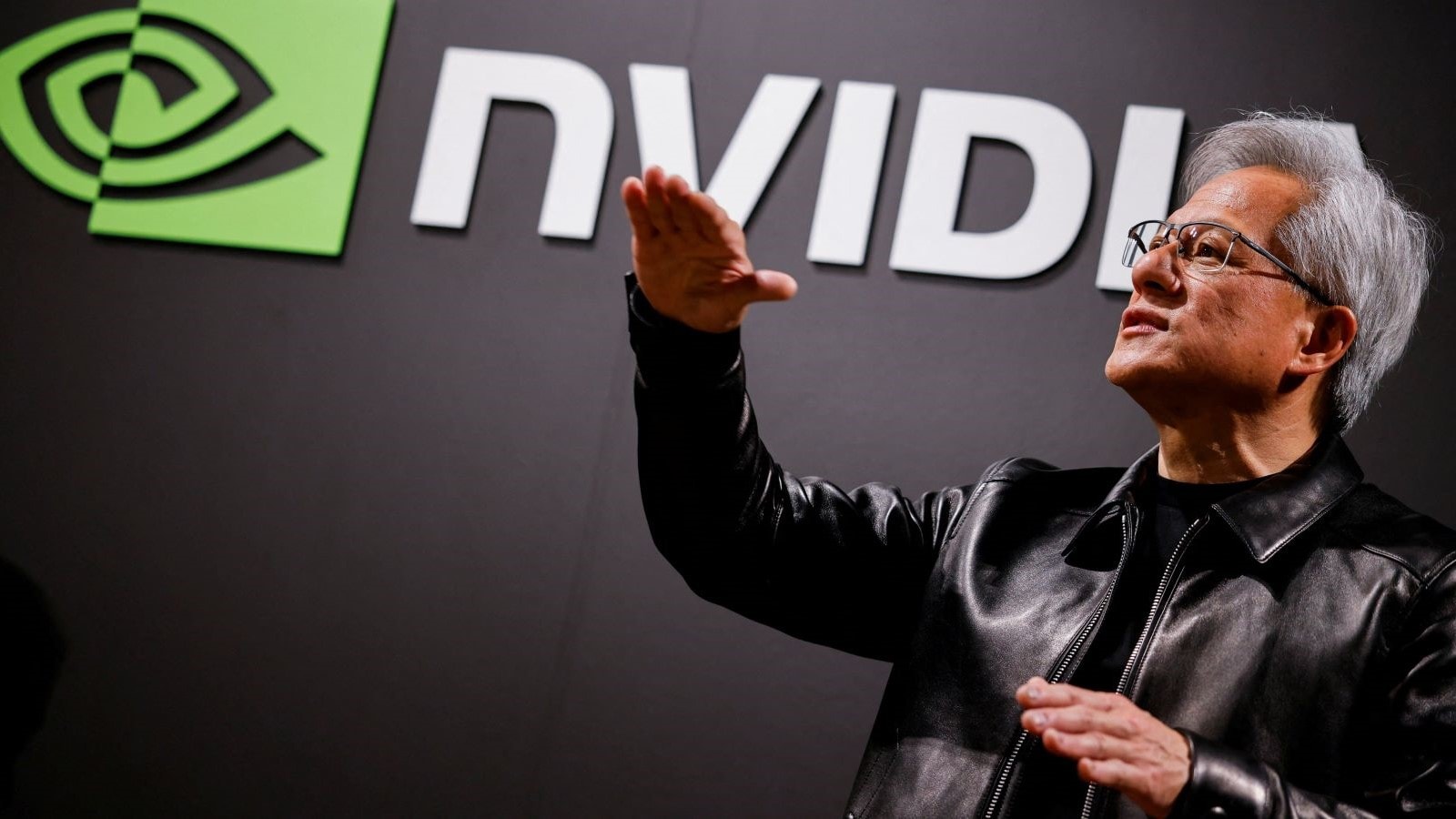
Beijing has accused the United States of employing spurious spying allegations as a pretext to impose a technological "blockade" on China. This accusation follows claims that Jensen Huang, the co-founder and CEO of Nvidia, was the target of a Chinese espionage plot. Mao Ning, a spokeswoman for China’s foreign ministry, stated during a regular briefing that the US should cease fabricating such narratives as a means to justify its technological restrictions against China, emphasizing that the country’s technological advancements are rooted in independent innovation and open cooperation.
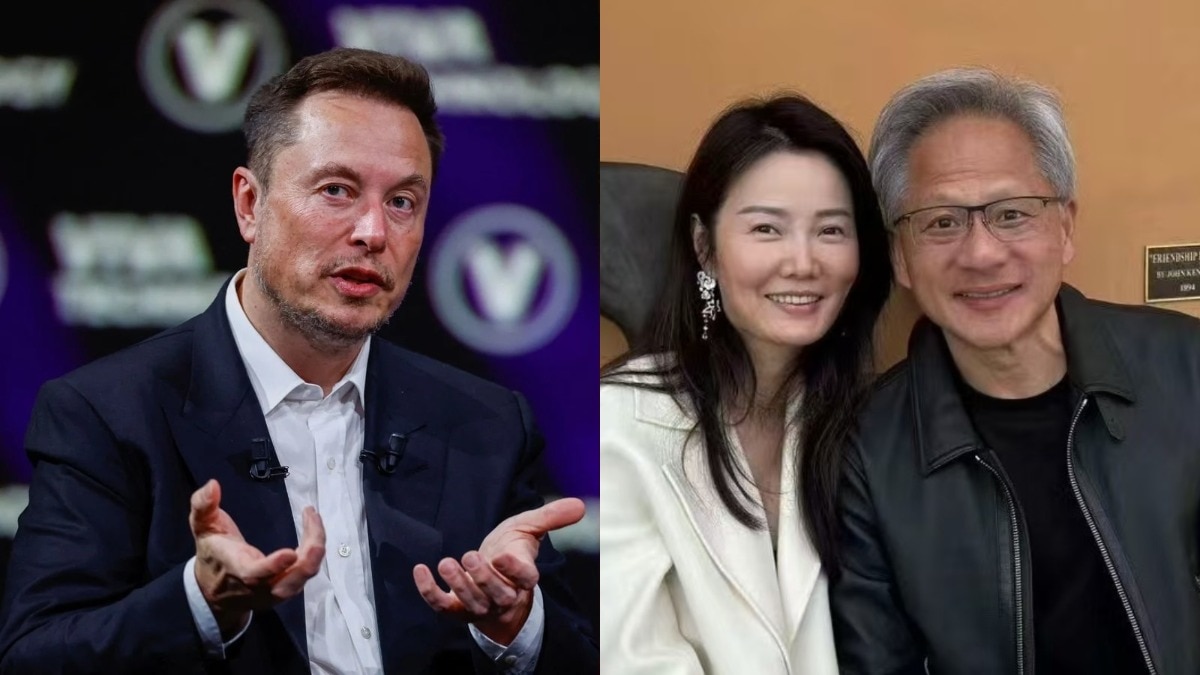
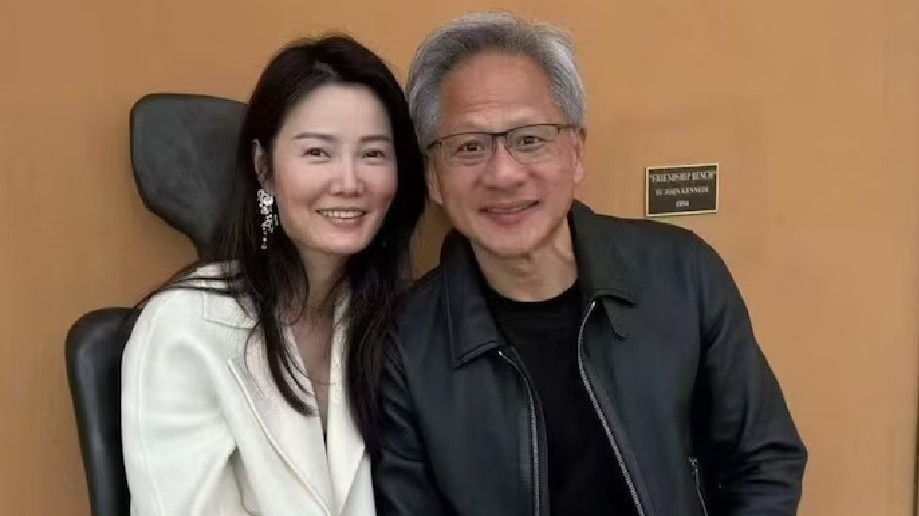
The controversy surrounding Huang has intensified as he has been a vocal opponent of restrictions on the sale of advanced chips to China. Last year, US President Donald Trump approved the export of Nvidia’s H200 chips to China, despite concerns from some lawmakers about the implications for AI technology dominance. Huang's personal life has also come under scrutiny, with reports of an extramarital affair with Alice Huang, a former executive at Megaspeed, who is suspected by US officials of having ties to Chinese intelligence.S1
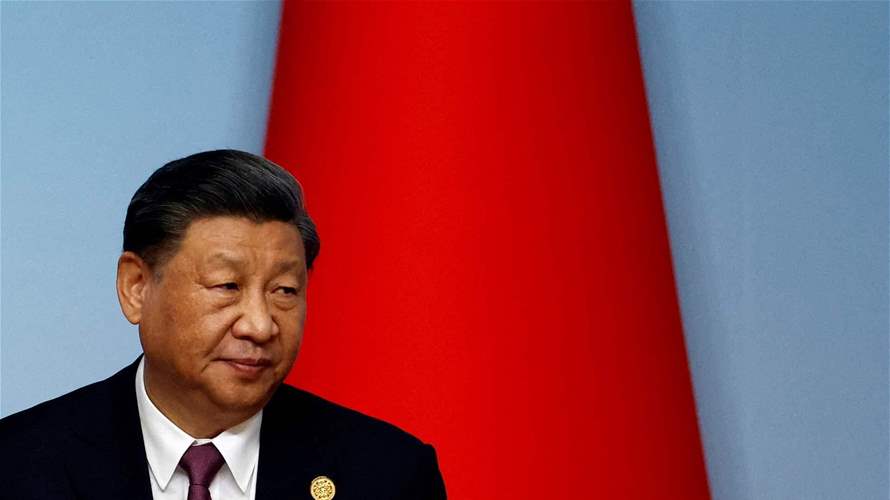
China has categorically dismissed the allegations regarding spying on Huang as "groundless speculation" and a deliberate attempt to tarnish its image. This diplomatic spat occurs just ahead of a significant meeting between President Trump and President Xi Jinping scheduled for next week at the APEC gathering in Shenzhen, southern China. The outcome of this meeting could have substantial implications for US-China relations, particularly in the realm of technology and trade.S1S2