India's retail inflation climbed to a 24-month high of 6.09 percent in October, breaching the Reserve Bank of India's 6 percent upper tolerance limit ahead of its December monetary policy meeting. The Consumer Price Index reading rose 55 basis points from 5.54 percent in September, according to data released by the Ministry of Statistics and Programme Implementation on Thursday. It was the highest since October 2024, when inflation stood at 6.21 percent, and came in above the 5.93 percent forecast in a Reuters poll of economists.
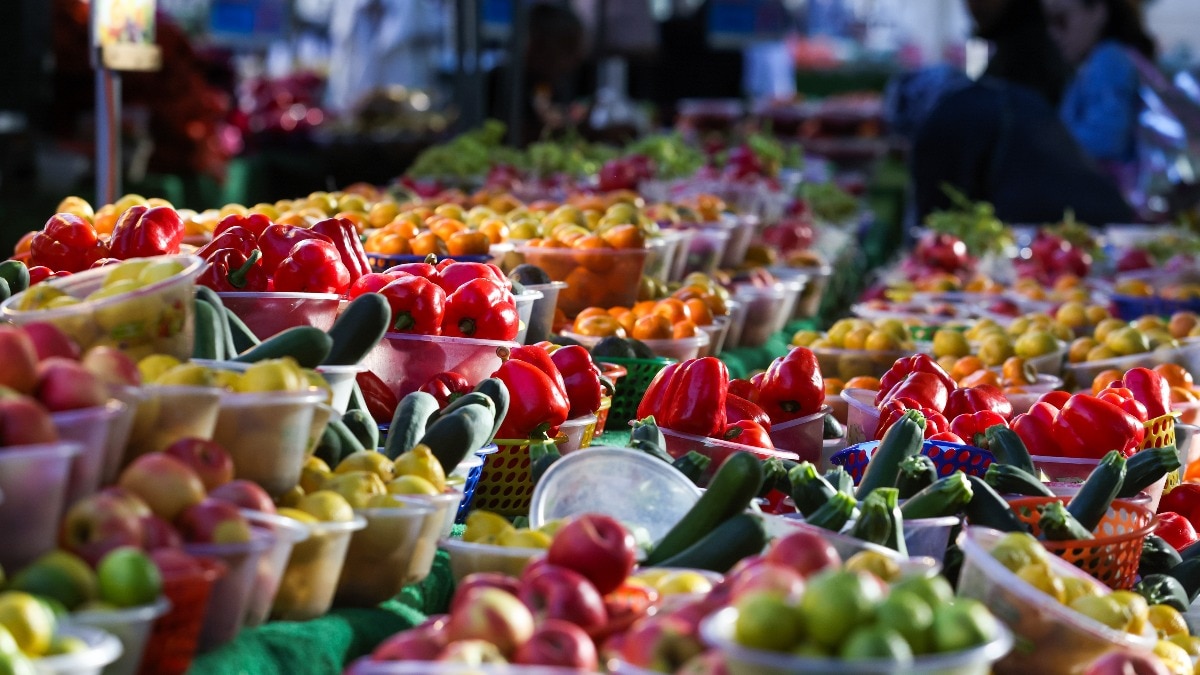
Food prices drove the increase. Food inflation rose to 8.94 percent from 7.74 percent in September, with onion inflation accelerating to 116.22 percent from 108.13 percent and garlic inflation rising to 60.74 percent from 54.62 percent. Ginger and lemon prices rose 48.32 percent and 47.30 percent, respectively. The RBI pointed to dwindling onion stocks and uneven rainfall that disrupted the arrival of fresh kharif crops. Rural food inflation reached 9.09 percent and urban food inflation 8.68 percent, while transport inflation accelerated to 5.84 percent. Food carries nearly 40 percent weight in the consumer basket, which is why grocery costs weigh so heavily on the headline figure.S1S2
Overall rural inflation rose to 6.63 percent from 6.08 percent, while urban inflation increased to 5.41 percent from 4.88 percent, leaving a gap of 1.22 percentage points between the two. Prices in the personal care, social protection and miscellaneous goods category rose 10.14 percent, and restaurant and accommodation services rose 10.06 percent.S1
The RBI targets inflation of 4 percent within a tolerance band of 2 to 6 percent, and October's reading was nine basis points above the upper end. Retail inflation has now stayed above the 4 percent target for five consecutive months. Under the framework, a formal failure requires average inflation above the upper limit for three consecutive quarters, so the October figure is a warning rather than a declaration of failure. At its October review, the RBI raised the policy repo rate by 25 basis points to 5.50 percent and shifted to a stance of calibrated tightening.S1S2
The Monetary Policy Committee meets from December 2 to 4, giving policymakers their next opportunity to assess whether the rise in food prices is spreading into overall inflation and whether further tightening is needed.S1S2