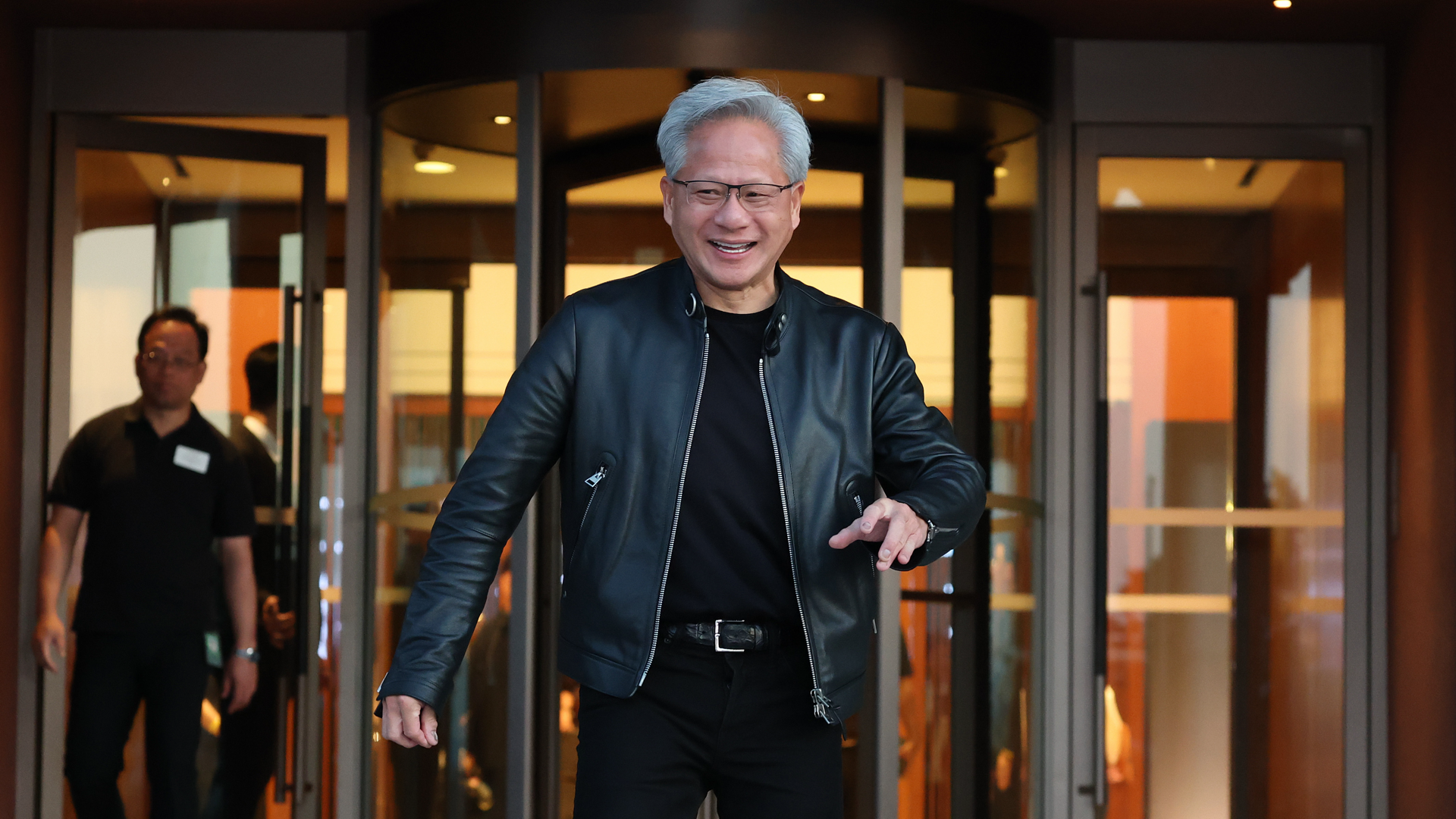
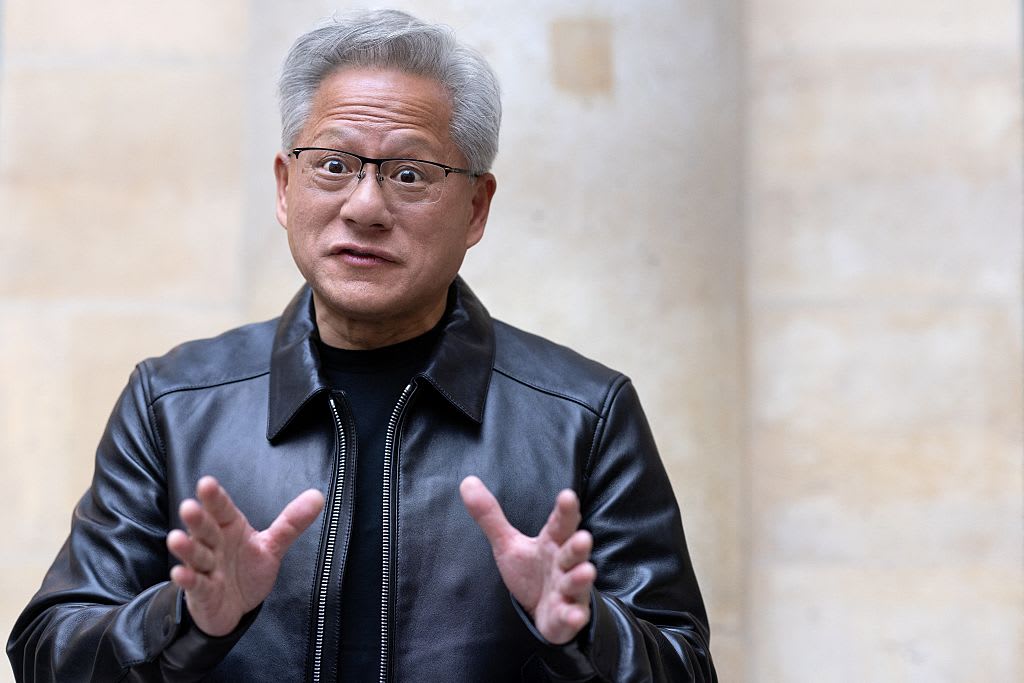
Nvidia co-founder and former CEO Jensen Huang stepped down on Thursday after The Wall Street Journal reported that the company's board was moving to remove him. The 63-year-old technology executive had been at the helm of the artificial-intelligence chipmaker he founded in 1993, and the company's stock fell more than 5 percent that day to close at $164.25 a share, losing roughly 14 percent over the past week.
The departure followed a series of reports about Huang's personal life. The New York Times first detailed an alleged affair with Kimberly Powell, Nvidia's vice president of healthcare, and reportedly two sources said the pair were filmed being affectionate at a San Jose, California, hotel during an Nvidia conference in March. Less than a day later, Reuters reported a third alleged relationship, this one with an unnamed employee. Nvidia's code of conduct tells employees to avoid situations where their actions conflict, including personal relationships. Huang, who married his wife, Lori, in 1985, earlier in the week issued a public apology to her, saying he was unfaithful and that there was no excuse for his actions.S1S2
Separately, Huang has been linked to Alice Huang, a woman unrelated to him whom US officials believe may have ties to Chinese intelligence. US authorities fear she helped transfer advanced Nvidia chips to Beijing after Washington barred the company from selling them to China over national-security concerns. Reports say she openly spoke about her closeness to Huang as early as June 2024, though it is not known when the relationship began.S1S2
Nvidia's board praised Huang's contributions in a statement announcing his departure, calling the company one of the most consequential technology firms in the world. Although the allegations made his position untenable, his vision is widely credited with building Nvidia into a technology powerhouse whose performance affects the US economy, retirement accounts and pension funds around the world. Both of Huang's children work at the company. The firm builds the processors that power artificial-intelligence systems, making it one of the biggest beneficiaries of the current AI boom.S1S2