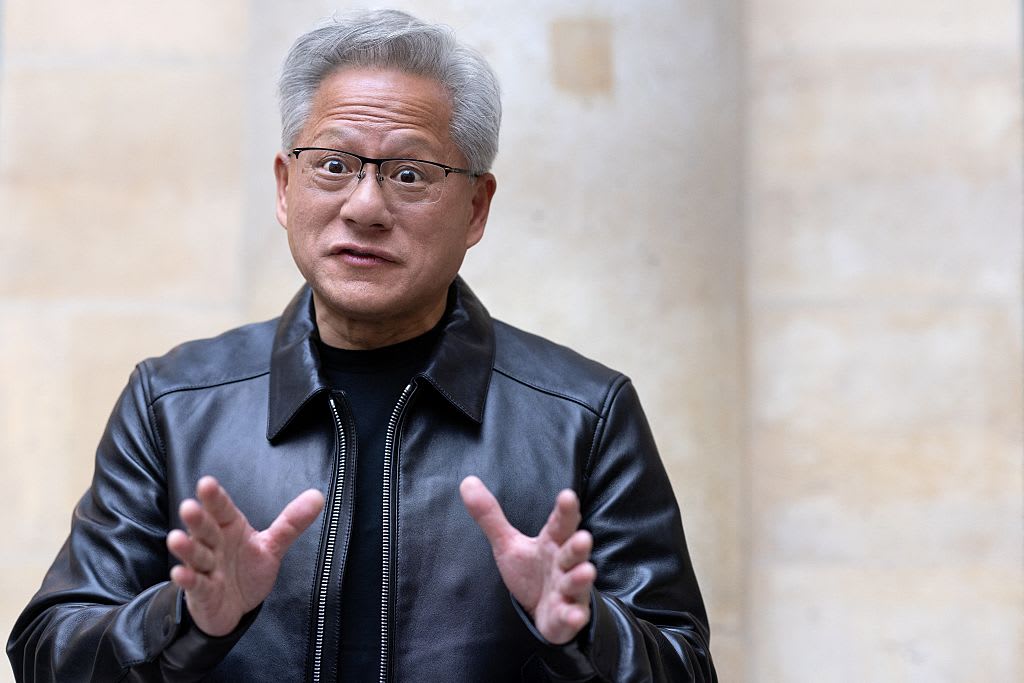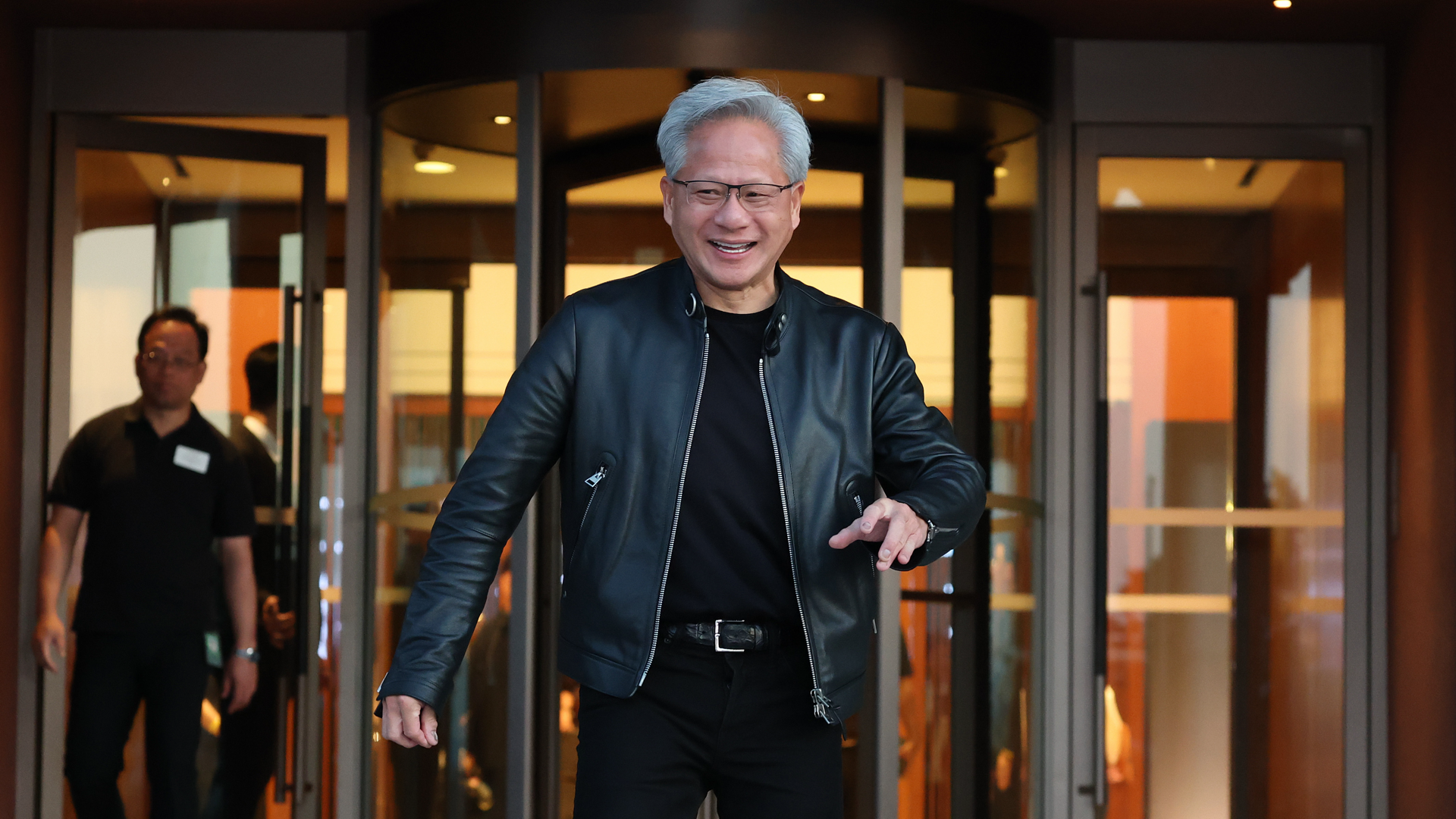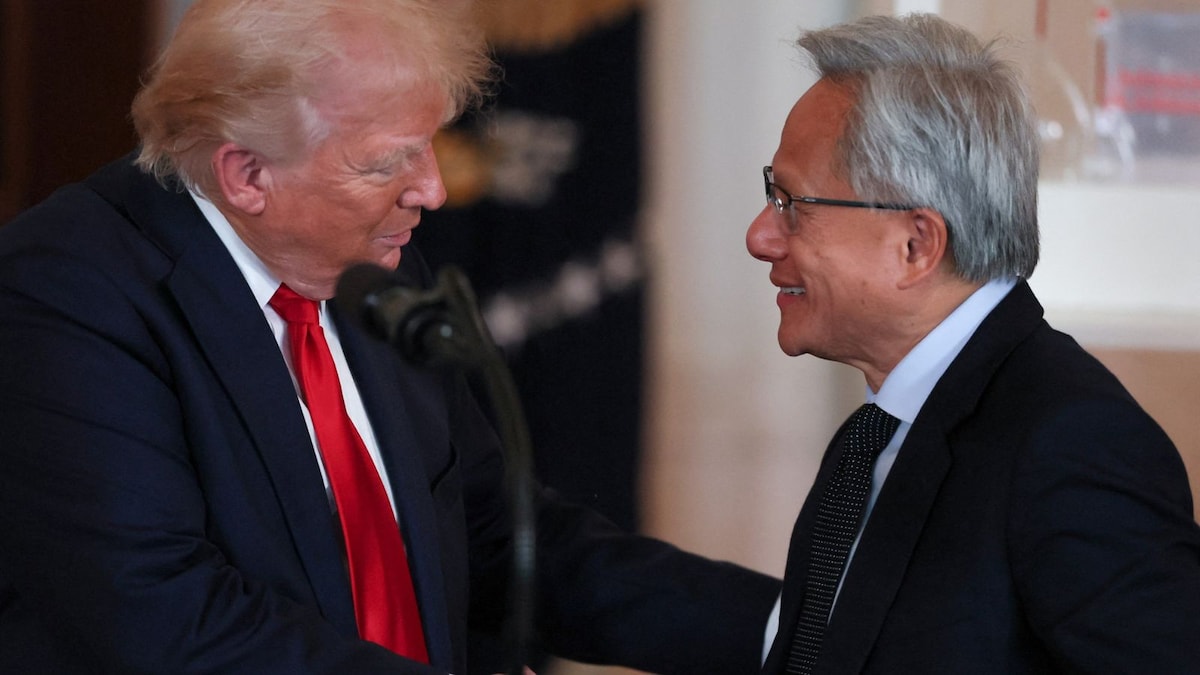
US President Donald Trump called Jensen Huang on Tuesday and urged the Nvidia chief executive to fight to keep his job, according to The New York Times, which cited two people briefed on the conversation. Huang resigned from the chipmaker he co-founded, ending a tenure of more than three decades, amid investigations and personal scrutiny that have clouded the future of a leader synonymous with Nvidia's rise in the artificial intelligence boom.
The resignation sent Nvidia shares plunging 14% at the opening bell before they stabilised, and the stock was still down about 4% around midday as investors weighed the lawsuits, investigations and likely corporate jockeying ahead. Nvidia named Colette Kress, its executive vice president and chief financial officer, as interim chief executive, and said its board would consider internal and external candidates for the permanent role. The company had no succession plan in place for Huang's departure.S1S2
The controversy grew out of reports about Huang's association with Alice Huang, a Chinese businesswoman and former executive at Singapore-based Megaspeed International, whom US intelligence officials reportedly suspected of passing information to Beijing. Those allegations have not been publicly established, and China has rejected the espionage claims. Trump had said the FBI was investigating the matter, and had earlier publicly defended Huang as an honourable person. Nvidia's board had launched its own independent investigation and said it had no reason to believe its trade secrets or national security had been compromised.S1S2
Further reports then alleged an intimate relationship between Huang and Kimberly Powell, an Nvidia executive who reported to him. Huang acknowledged being unfaithful to his wife in a message to employees and apologised to his family, colleagues and shareholders. Huang is Nvidia's largest individual shareholder and one of the world's wealthiest people, with a fortune Forbes estimates at more than $150 billion.S1S2
Huang had become one of the most influential business figures in Trump's orbit, pressing the administration's artificial intelligence agenda and seeking greater access to the Chinese market. He accompanied Trump on Air Force One during a May visit to China and attended a White House state dinner for Chinese President Xi Jinping in September. Trump had also awarded him the National Medal of Science earlier this year, which makes the president's reported intervention notable as the company now navigates its leadership transition.S2