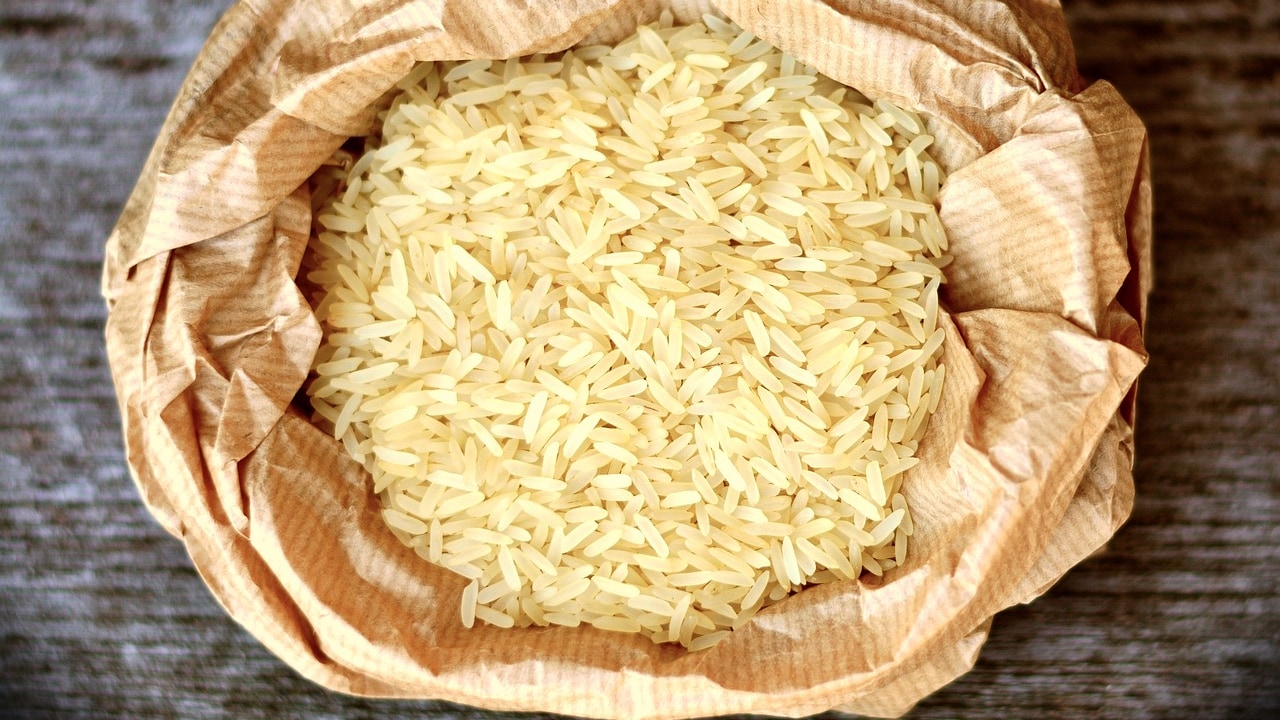
The Tamil Nadu government has imposed stock limits on paddy, rice, tur dal and urad dal under the Essential Commodities Act to ensure equitable distribution and availability at fair prices, amid rising prices of essential food commodities and concerns over possible hoarding. The orders were issued with the prior concurrence of the Centre.
Under the Tamil Nadu Paddy/Rice (Stock Limit) Control Order, 2026, wholesalers may hold a maximum of 2,000 metric tonnes of paddy or rice, while retailers can stock up to eight metric tonnes at each outlet and big chain retail shops face an overall ceiling of eight metric tonnes multiplied by their number of outlets. Millers are capped at no more than one month's production capacity. For pulses, wholesalers may hold up to 200 metric tonnes of each variety of tur or urad dal, and retailers and big chain outlets are limited to five metric tonnes of each variety per outlet. Importers cannot retain imported rice or pulses for more than 45 days from customs clearance.S1S2
The restrictions on tur and urad dal will remain in force for three months, while those on paddy and rice will continue until January 31, 2027. All covered entities, including wholesalers, retailers, millers, processors and importers, must declare their stock positions on the Department of Consumer Affairs portal and update them regularly. Those currently holding stocks above the prescribed limits have been directed to bring them within the ceilings by November 16, 2026.S2
The move comes as the Opposition has criticised the TVK government over a sharp rise in prices, alleging that rice has increased from Rs 67 to Rs 100 per kilogram and raising concerns about the growing burden on consumers. The government is expected to monitor compliance through stock declarations and periodic updates, with the restrictions aimed at preventing hoarding, improving market availability and containing price pressures.S1S2