Lethal autonomous weapons powered by artificial intelligence are set to revolutionise warfare, yet there is no proper regulatory or legal framework governing the technology. A conference starting Monday at the United Nations in Geneva will discuss how to establish curbs and prohibitions on such weapons, which some call killer robots, though some analysts doubt the talks at the Convention on Certain Conventional Weapons (CCW) will keep pace with the fast-changing systems.
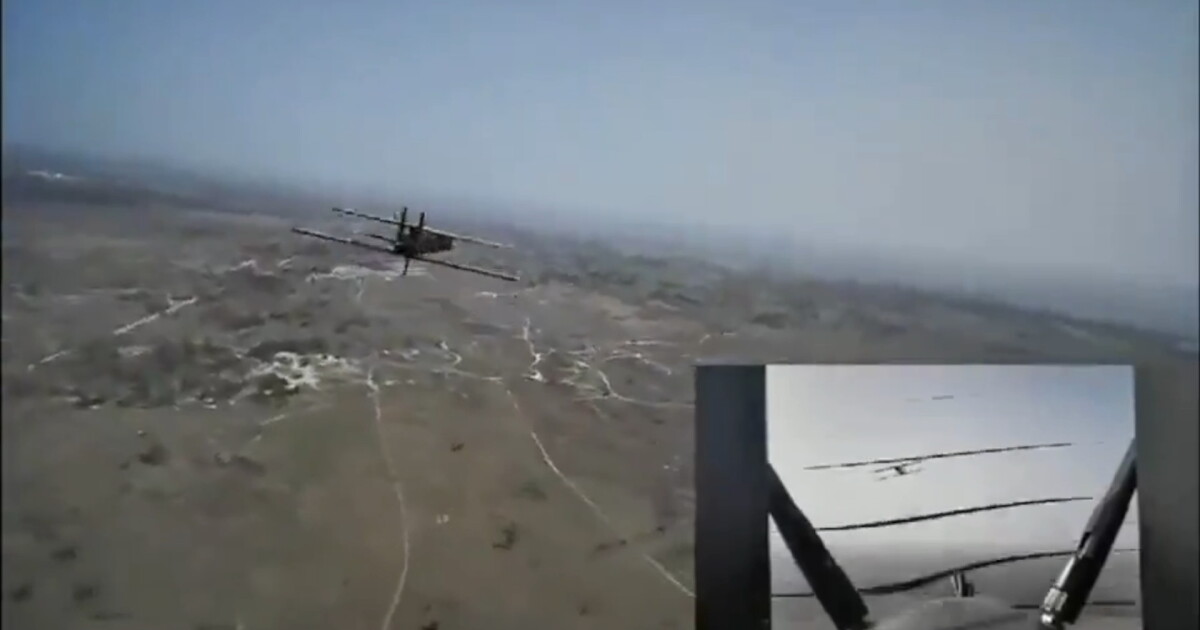
Jean-Marc Rickli, head of global and emerging risks at the Geneva Centre for Security Policy, describes Lethal Autonomous Weapons Systems (LAWS) as systems that "can identify, select, and engage a target without the intervention of a human operator." Autonomous weapons have long existed, as anti-personnel mines explode without human direction, according to Laure de Roucy-Rochegonde of the French Institute of International Relations (IFRI). What has changed is the proliferation of AI-enhanced drones, which are now capable of selecting and engaging targets that were not predetermined and adapting to their environment without human intervention.S1S2
The critical regulatory question is how much human control must be retained over the decision to use such a weapon. The United States refers to "appropriate levels of human judgement," while France bans lethal autonomous weapons systems but permits "partially autonomous" systems, known as PLAWS. Rear Admiral Vincent Sebastien, deputy director of the French defence ministry's Agency for Defence Artificial Intelligence (AMIAD), said human control is ensured through "appropriate control" by a military commander, a concept whose scope varies with the system's criticality and operational context.S1S2
The ethical stakes are stark. UN Secretary General Antonio Guterres and International Committee of the Red Cross president Mirjana Spoljaric warned in a joint statement in August that the world is "dangerously close to crossing a moral red line: the autonomous targeting of humans by machines." Analysts say the Geneva discussions, while important, will touch only part of the issue, because the diminishing role of humans is driven by growing use of AI in analysis and targeting.S1S2
Rickli said the Geneva agenda is "very narrow" and "fails to encompass the full range of issues surrounding AI on the battlefield," particularly in target generation. He pointed to the US-Israeli war against Iran this year, in which the Americans engaged as many as 1,000 targets per day inside Iran, as an example of the unacceptable risks associated with AI-driven targeting.S1S2