The brief
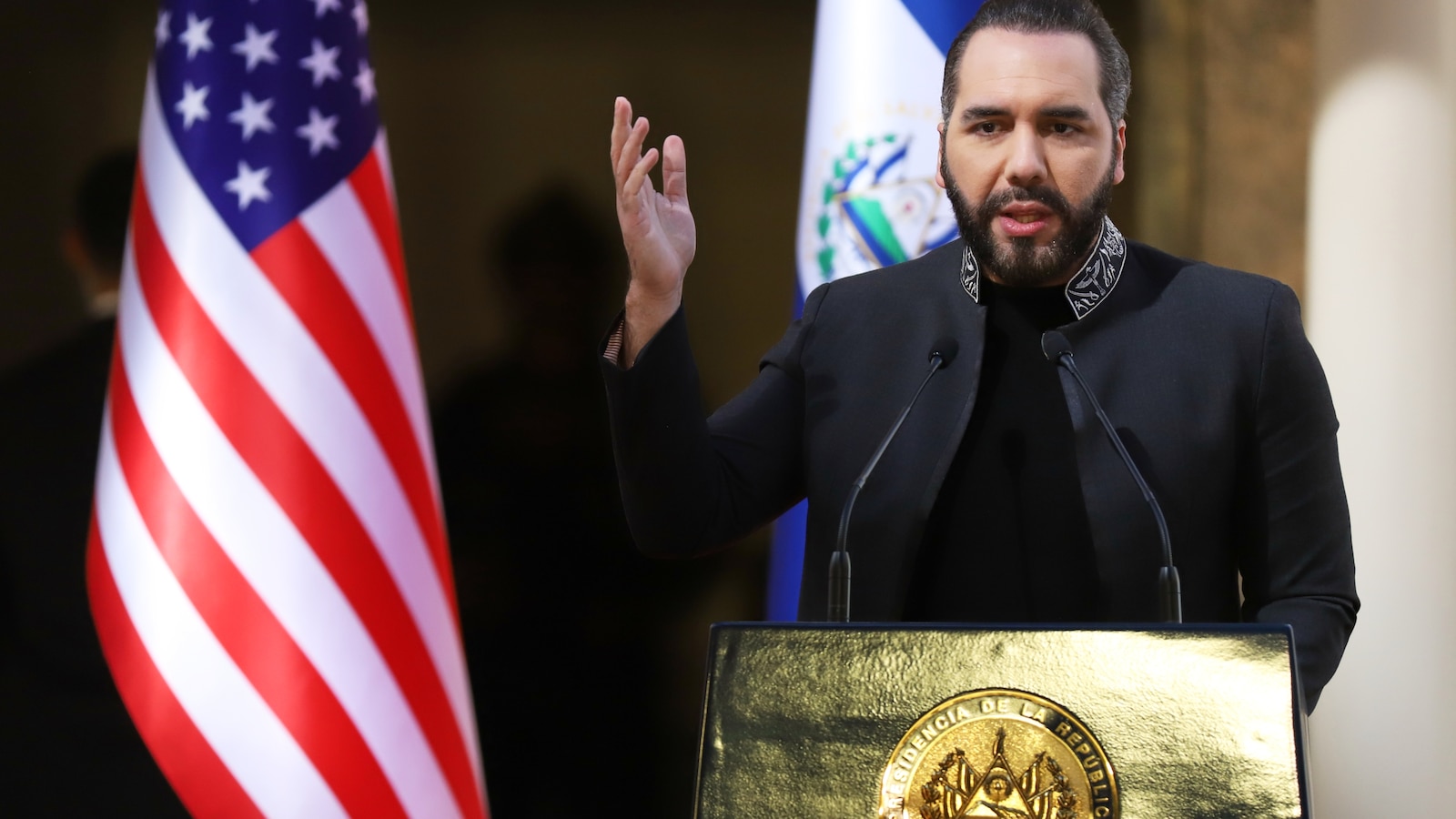
El Salvador's ruling party has cleared the path for President Nayib Bukele to seek a third term in office, following his unopposed victory in the party primary.
Context
This development comes amid ongoing discussions about Bukele's leadership style and its implications for democracy in El Salvador.S1S2
Key points
- Bukele's ruling party has officially endorsed his candidacy for a third term.S1
- He won the party primary without facing any opposition.S2
- The move has raised concerns about authoritarianism in El Salvador.S2
- Critics argue that Bukele's presidency has undermined democratic institutions.S1
- Supporters claim his leadership has brought stability and security to the country.S1
- The decision to run for a third term follows a controversial Supreme Court ruling.S1
- International observers are closely monitoring the situation.S2
- The political landscape in El Salvador is increasingly polarized as the election approaches.S1
Why it matters
- This move could set a precedent for future leaders in the region to extend their terms.S1
- The situation raises questions about the future of democracy in El Salvador.S2
- It highlights the tension between governance and authoritarianism in Latin America.S1
What to watch
- Monitor reactions from international organizations regarding Bukele's candidacy.S2
- Watch for potential protests or political opposition as the election nears.S1
- Keep an eye on how this decision affects El Salvador's relations with other countries.S2