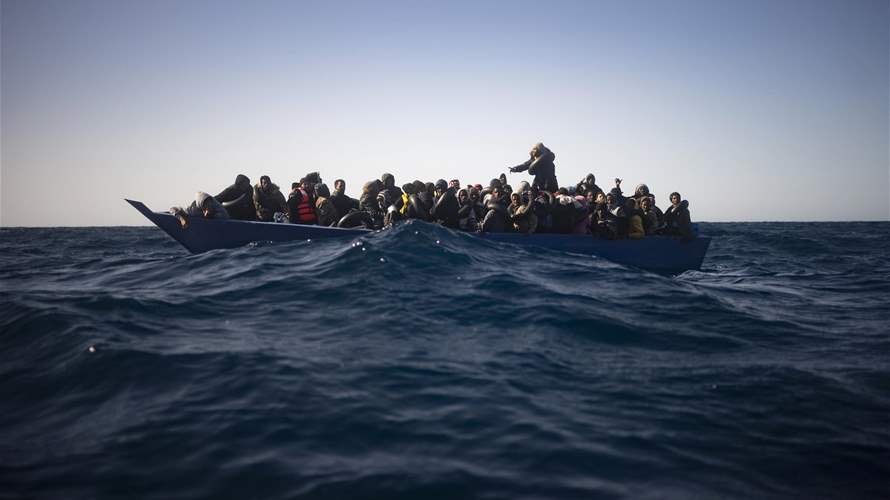
Spain has declared a migration emergency in the Canary Islands after more than 9,000 people arrived in the Atlantic territory since the start of November. Spain's Maritime Rescue Service said it had rescued 1,488 migrants aboard 14 dinghies, also known as pirogues, on Saturday, most of whom landed on El Hierro. That figure broke the single-day record of 1,461 people rescued on November 7, 2020, and the arrivals continued to climb through Sunday afternoon, according to Al Jazeera's reporter on the island.
Nearly 2,200 migrants reached the islands over the two days, the maritime rescue service said, with the rescued people taken to El Hierro, one of the smallest Canary Islands, where they are processed at the port and moved to a reception centre. Most of those arriving were from Senegal, Gambia and Guinea Conakry, and Reuters reported that one boat on Saturday carried 240 people, including 12 women and 36 children. Other boats arrived on Gran Canaria and Tenerife. The surge placed heavy pressure on reception and emergency services on the smaller, less densely populated islands, even though overall arrivals to the Canaries between January and October 31 were down 5.5% on the same period last year, according to government data.S2S3
Spain's Territorial Policy Minister Angel Victor Torres was due to visit El Hierro on Sunday to discuss the surge. The Canaries are among Spain's main entry points for migrants, with people mainly from West Africa attempting the Atlantic crossing in overcrowded boats. The islands lie roughly 65 miles (105 kilometres) from the nearest point in Africa, but many migrants take longer routes of days or weeks to avoid security forces, and most departures are from Senegal and Mauritania. Arrivals tend to rise in autumn, when sea conditions are calmer.S1S2
The International Organization for Migration recorded at least 450 deaths on the Western African Atlantic route in the first 10 months of 2026, and the route is widely regarded as one of the world's deadliest migration crossings. Al Jazeera's reporter in Dakar said favourable weather had made departures easier in recent years, with pirogues carrying as many as 100 people on journeys that can last a week. The new EU Pact on Migration and Asylum, which came into force on June 12, 2026, has not stopped the flow towards Spain and its enclaves.S1S2
The arrivals come against the backdrop of a separate crisis at Spain's North African enclave of Ceuta, where about 80,000 people crossed from Morocco over 48 hours in late July and at least 100 died during the mass crossing. Last month Spain deported more than a dozen of those who entered, and the Canary Islands emergency has added further strain to the country's migration system.S1