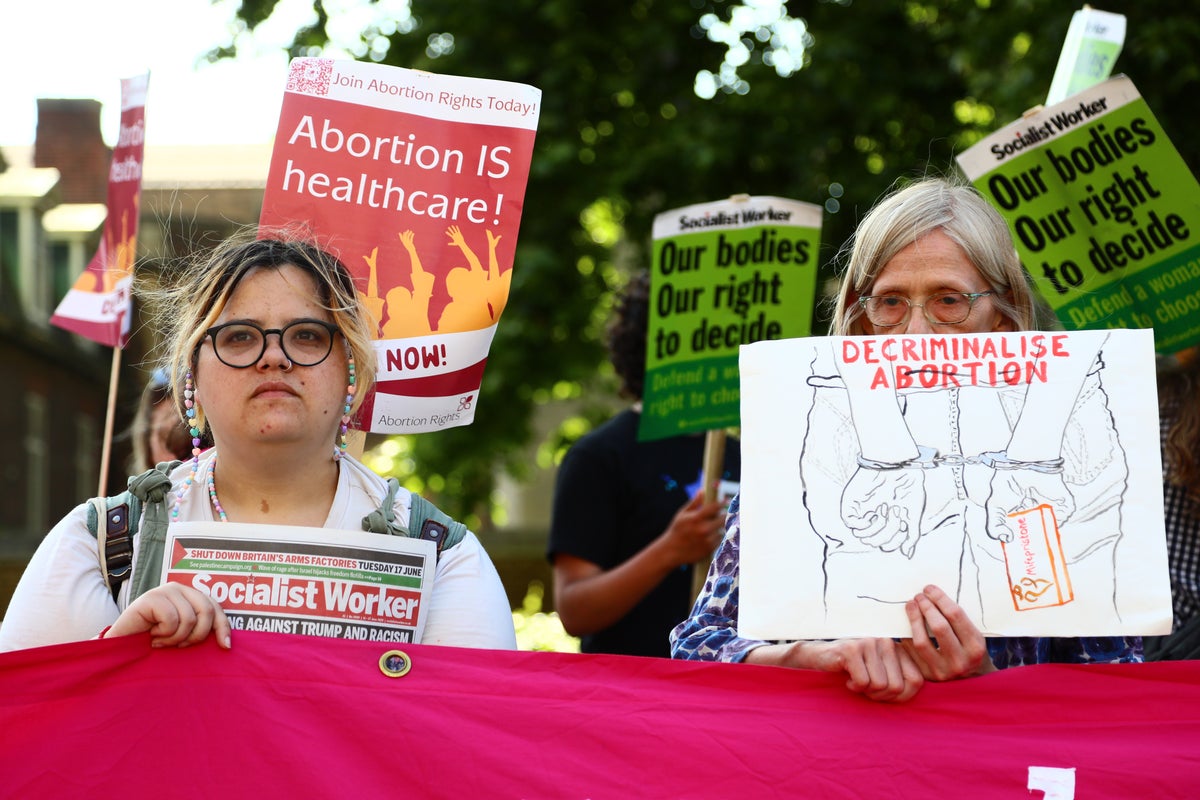
Women convicted over illegal abortions receive automatic pardons in England and Wales

United Kingdom
The brief

Women who were prosecuted or cautioned for having an illegal abortion in England and Wales have been granted automatic pardons, a change that campaigners have described as a "huge relief" and "historic day". Under section 242 of the Crime and Policing Act, which took effect on Monday, police forces and courts are expected to update records automatically, meaning affected women do not need to submit any applications. Details of arrests, cautions, convictions and investigations relating to terminations will be removed from criminal records.

The change follows a landmark Parliament vote in June 2025 to decriminalise women terminating their own pregnancy, a measure brought forward by Labour MP Tonia Antoniazzi, who said many women had been "harmed by outdated abortion law". Seven months after MPs approved the proposal, the pardons are now in force. The Ministry of Justice has not confirmed the number of women affected; Ms Antoniazzi expects it to exceed 100, including posthumous pardons, while The Guardian understands the pardons will apply to about 150 women identified from police records.S1S2

Campaigners say the old law left women "treated as suspects, dragged from hospital beds to police cells", and that arrests and cautions on police records affected job prospects and the ability to travel to certain jurisdictions, while convictions created permanent criminal records. Several women were prosecuted after ordering medication online or obtaining drugs after a remote consultation, including during the Covid-19 pandemic. Nicola Packer, cleared by a jury at Isleworth crown court in London last year after an almost five-year ordeal, said the removal of records would make it easier for women to get and keep jobs. Some women who campaigned for the change were victims of domestic abuse or coercive control, including a young mother jailed after her abusive partner coerced her into obtaining pills online.S1S2

Abortion in England and Wales remains legal with an authorised provider up to 24 weeks, with limited exceptions after that, and home use of prescribed medication is allowed under 10 weeks. Since the Crime and Policing Act came into force in April, it is no longer a criminal offence for a pregnant woman to terminate her own pregnancy at any stage. Ms Antoniazzi said the 24-week limit would remain and abortions would still require the approval and signatures of two doctors. Some women said that while they were grateful for the pardon, they would also like a formal apology from the government, as "none of us should have been on trial, investigated or sent to prison".S1S2

Timeline · newest first
1h The Guardian

Women prosecuted for abortions hail ‘historic day’ after receiving pardon

Calls for government to issue formal apology to those investigated after ending pregnancies in England and WalesCampaigners and women previously convicted of illegal abortions have…

Women convicted over illegal abortions receive automatic pardons in England and Wales

2 outlets 2 reports
The brief

Women who were prosecuted or cautioned for having an illegal abortion in England and Wales have been granted automatic pardons, a change that campaigners have described as a "huge relief" and "historic day". Under section 242 of the Crime and Policing Act, which took effect on Monday, police forces and courts are expected to update records automatically, meaning affected women do not need to submit any applications. Details of arrests, cautions, convictions and investigations relating to terminations will be removed from criminal records.

The change follows a landmark Parliament vote in June 2025 to decriminalise women terminating their own pregnancy, a measure brought forward by Labour MP Tonia Antoniazzi, who said many women had been "harmed by outdated abortion law". Seven months after MPs approved the proposal, the pardons are now in force. The Ministry of Justice has not confirmed the number of women affected; Ms Antoniazzi expects it to exceed 100, including posthumous pardons, while The Guardian understands the pardons will apply to about 150 women identified from police records.S1S2

Campaigners say the old law left women "treated as suspects, dragged from hospital beds to police cells", and that arrests and cautions on police records affected job prospects and the ability to travel to certain jurisdictions, while convictions created permanent criminal records. Several women were prosecuted after ordering medication online or obtaining drugs after a remote consultation, including during the Covid-19 pandemic. Nicola Packer, cleared by a jury at Isleworth crown court in London last year after an almost five-year ordeal, said the removal of records would make it easier for women to get and keep jobs. Some women who campaigned for the change were victims of domestic abuse or coercive control, including a young mother jailed after her abusive partner coerced her into obtaining pills online.S1S2

Abortion in England and Wales remains legal with an authorised provider up to 24 weeks, with limited exceptions after that, and home use of prescribed medication is allowed under 10 weeks. Since the Crime and Policing Act came into force in April, it is no longer a criminal offence for a pregnant woman to terminate her own pregnancy at any stage. Ms Antoniazzi said the 24-week limit would remain and abortions would still require the approval and signatures of two doctors. Some women said that while they were grateful for the pardon, they would also like a formal apology from the government, as "none of us should have been on trial, investigated or sent to prison".S1S2

Timeline · newest first

Sources · 2 citations

S1 Independent 1 report · EN
S2 The GuardianLead 1 report · EN