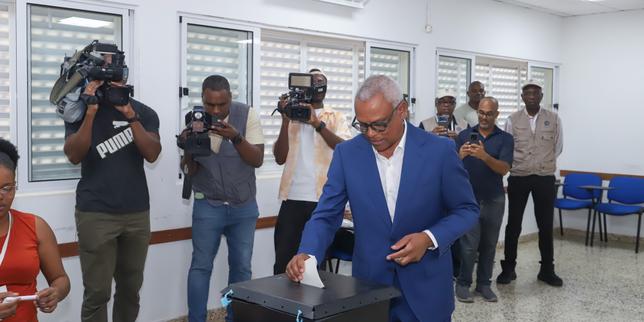
Cape Verde's incumbent President Jose Maria Neves won re-election on Sunday, according to provisional results from the country's electoral commission, taking 63.8% of the vote. The 66-year-old was seeking a second term as leader of the West African archipelago, which is known for its stable democracy and is often regarded as a model of democratic governance in Africa.
His main challenger, 61-year-old Joana Rosa Amado, a former justice minister, secured around 31.6% of the ballots. Four other candidates also contested the election. Some 420,000 people were eligible to vote, and the process was observed by about 150 monitors from the Economic Community of West African States, the African Union and the European Union.S2
The archipelago is made up of ten volcanic islands in the Atlantic Ocean, about 600 kilometers (375 miles) off the coast of Senegal. Its democratic stability and good governance have been paired with strong economic growth. The Mo Ibrahim Foundation's 2026 index on global governance ranks the country third among Africa's 54 nations, behind only Seychelles and Mauritius.S2S1
According to the World Bank, Cape Verde is an upper-middle-income country, driven in part by a growing tourism industry. The country still faces social inequality, the geographic isolation of its islands and a lack of transport options between them, while rising living costs, energy prices and youth unemployment also weigh on it.S2