The brief
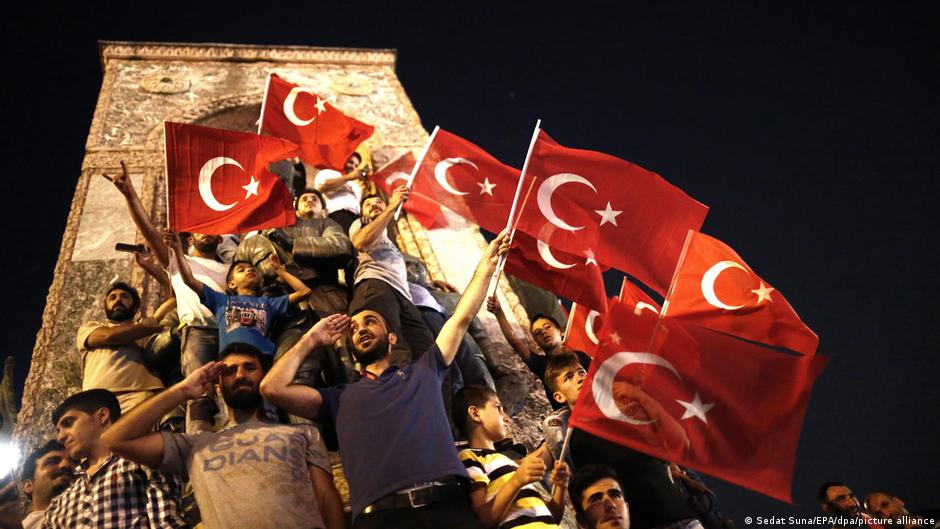
The failed coup attempt in Turkey in 2016 has had lasting effects on the country's political landscape and governance.
Context
The coup attempt involved segments of the military and aimed to overthrow President Erdogan's government. The aftermath has led to significant changes in Turkey's political and social fabric.S1S2
Key points
- The coup attempt was a pivotal moment in Turkey's recent history.S1S2
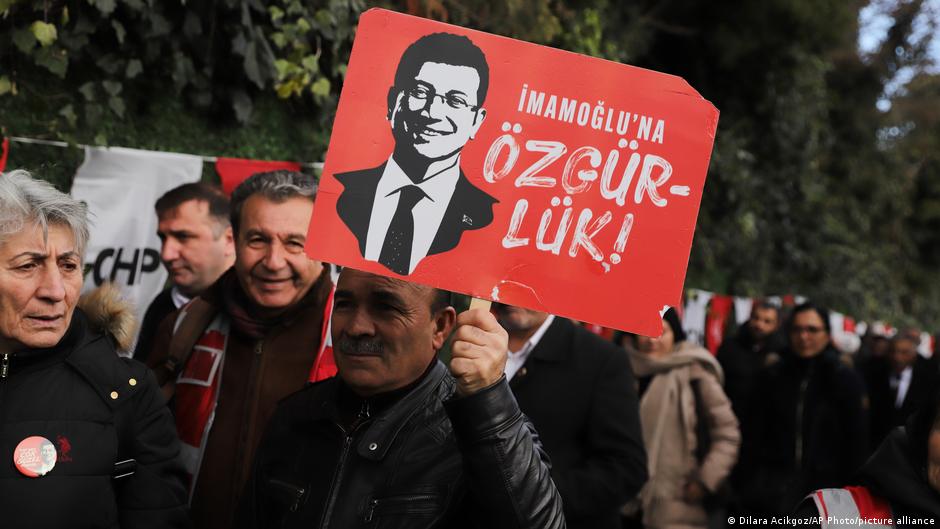
- It resulted in a widespread crackdown on dissent and opposition.S1S2
- The government has since implemented extensive security measures.S1S2
- Erdogan's administration has consolidated power in the aftermath.S1S2
- The event has influenced Turkey's relations with Western countries.S1S2
- Civil liberties have been curtailed as a result of the government's response.S1S2
- The coup attempt has led to a shift in public perception of the military.S1S2
- Turkey's political landscape has become increasingly polarized since the coup.S1S2
Why it matters
- Understanding the coup's impact is crucial for analyzing Turkey's current political climate.S1S2
- The changes initiated by the coup attempt continue to affect governance and civil rights.S1S2
- The event has reshaped Turkey's identity and its role on the global stage.S1S2
What to watch
- Monitor ongoing political developments in Turkey as they relate to the coup's legacy.S1S2
- Watch for potential shifts in Turkey's foreign policy influenced by its internal dynamics.S1S2
- Observe how civil society continues to respond to the government's actions post-coup.S1S2