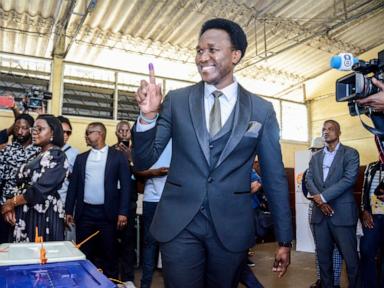
Mozambique's opposition leader Venancio Mondlane goes on trial Tuesday, charged with instigating terrorism and inciting civil disobedience over months of anti-government protests that followed a disputed 2024 election. Mondlane, the runner-up in that presidential election, lost to President Daniel Chapo of the Frelimo party. Analysts say the charges are politically motivated and meant to silence or remove criticism, placing him among a growing number of opposition figures in Africa facing prosecution.
The trial follows a four-year prison sentence handed to Tanzanian opposition leader Tundu Lissu this month for inciting people to disrupt a 2025 election; Lissu, who said he was prosecuted for calling for electoral reform, was acquitted of treason in that case. In Uganda, veteran opposition figure Kizza Besigye is on trial for treason and faces a potential death penalty if convicted, while Zambia's leading opposition figure and several supporters face treason charges after another troubled election this year that rights groups say involved a campaign of harassment against the opposition.S1S2
Frelimo has governed Mozambique for 51 years since independence from Portugal in 1975 and has been accused of rigging elections and suppressing the opposition, which it denies. Mondlane rejected the 2024 results as fraudulent and called for protests and for people to stay away from work. The unrest, described as the largest popular uprising against Frelimo, was intensified by the fatal shooting in a car of Mondlane's lawyer and another official of the opposition Podemos party, which Mondlane called political assassinations; he left the country for a period, saying his life was in danger.S1S2
Amnesty International, citing local civic groups, said more than 300 people were killed in the protests and accused the authorities of a brutal crackdown, while Human Rights Watch alleged security forces used live ammunition against protesters. Election observers, including a European Union team, questioned the validity of the elections, citing irregularities in counting and the alteration of some results.S1S2
Mondlane, who has since formed a new party, denies the charges and says he was advocating for "electoral truth" through social media messages urging protest and boycotts of work. According to Mozambican legal expert Vítor da Fonseca, he faces up to 24 years in prison if convicted of the most serious charge, instigating terrorism. The trial will be held in Mozambique's Supreme Court.S1S2