Carney meets Xi in Shenzhen as Canada pushes to widen China trade ahead of APEC summit

Business & Economy
The brief

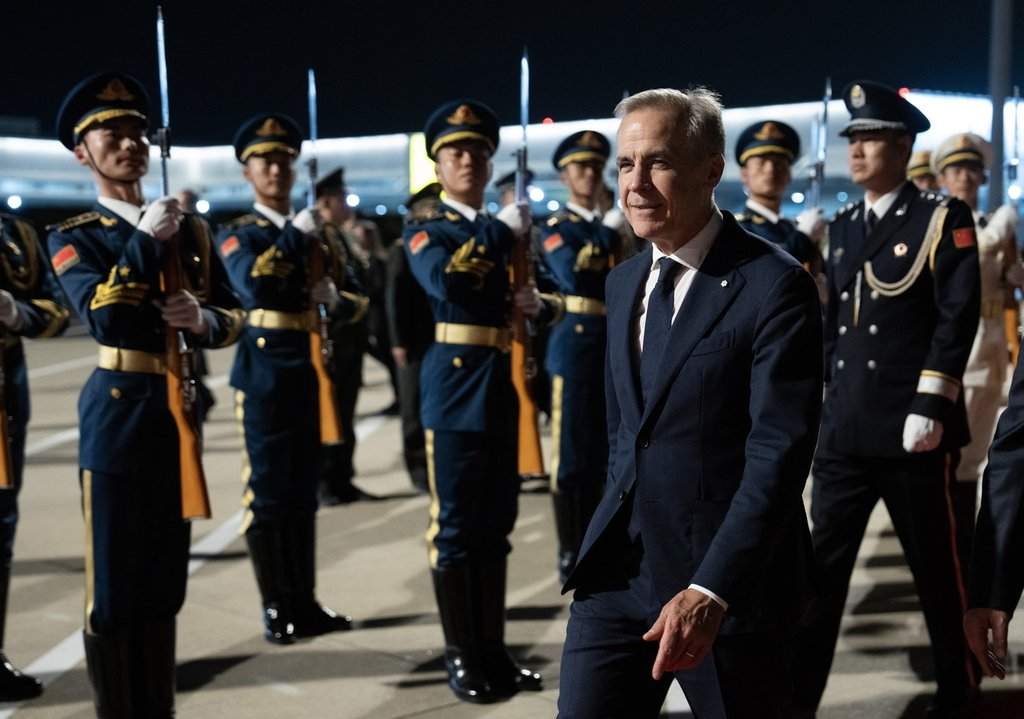
Prime Minister Mark Carney and Chinese President Xi Jinping held a bilateral meeting in Shenzhen, the high-tech hub in the Pearl River Delta megacity region of southeast China, as Carney seeks to expand trade with China across agriculture, energy, financial services and automobiles. The meeting took place mid-morning on Tuesday, and Xi will host the APEC leaders summit in Shenzhen on Wednesday and Thursday. It is the second in-person meeting the two have held in China this year, following Carney's January trip to Beijing, which marked the first official discussion between a Canadian prime minister and Chinese president in more than eight years.

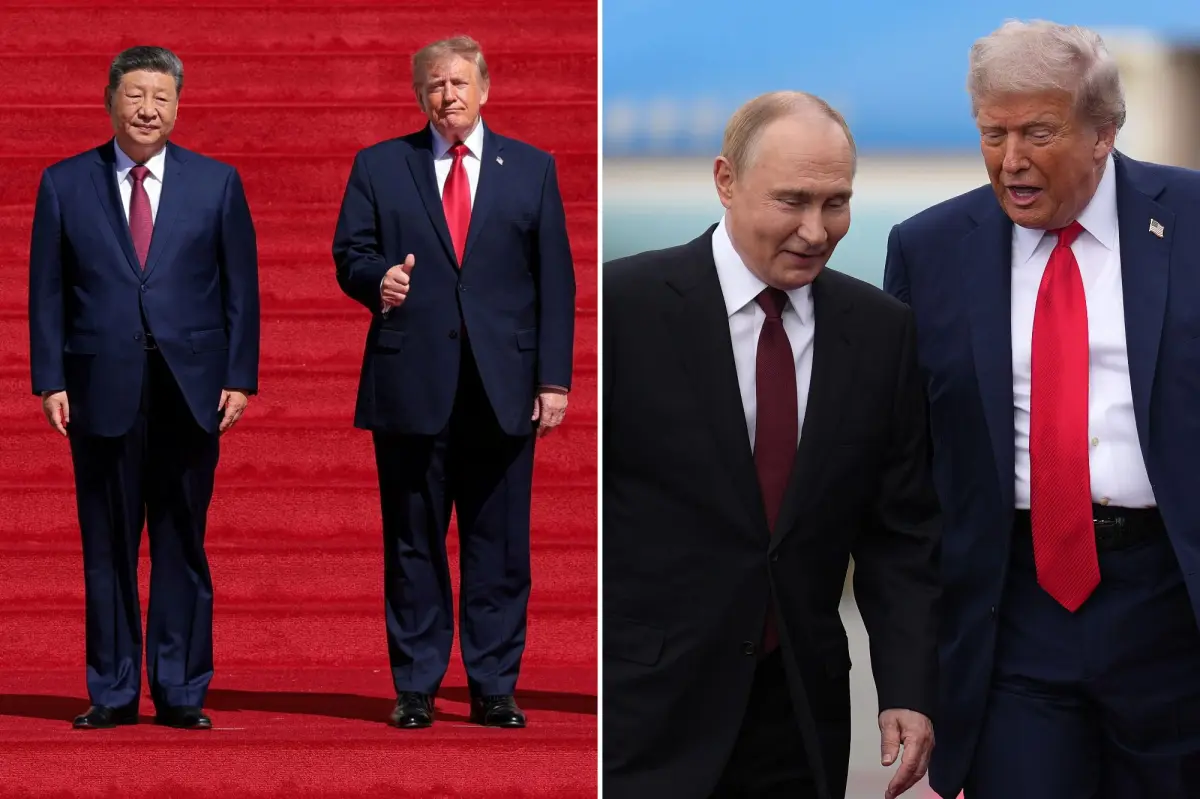
Canada's push toward China is partly a response to its pivot away from the United States, where President Donald Trump has imposed wide-ranging tariffs and even threatened to annex Canada through economic coercion. Since the January meeting, Canada's exports to China have surged 40 per cent, after both countries agreed to drop various tariffs, including on electric vehicles and some agricultural products. Oil, canola and peas are among the products that have seen big jumps in exports.S1S2

Before the trip, Carney said Canada could do more with China in agriculture, clean and conventional energy, and financial services, and he said he expected to discuss "the evolution of the international system, China's role in that and Canadian priorities" with Xi. Carney says there are "clear guardrails" on what is on the table. Carney is in Shenzhen for the Asia-Pacific Economic Cooperation summit, having earlier visited the Philippines for the Association of Southeast Asian Nations, Cambodia for the Francophonie summit, and Ireland for a European Political Community meeting.S1S2

A central issue is Chinese investment in Canada's auto sector. Both countries agreed earlier this year to allow a limited number of Chinese electric vehicles into Canada. Carney wants Chinese carmakers to set up shop only if they provide decent jobs, and he is wary of plants where workers assemble cars from components mostly made in China. Canada has already rejected that model as an option for the shuttered Stellantis plant in Brampton, Ont. Carney said trade talks with Washington will shape how Canada approaches Chinese investment, and that Canada could turn to Chinese automakers if talks with Trump fail. Those remarks drew a sharp response from Trump trade adviser Peter Navarro, who posted on X on Monday, "Are u really threatening to play China off the U.S," calling it "offensive in the extreme."S1S2

Timeline · newest first
2h Wol

Carney meets with President Xi in Shenzhen, China ahead of APEC summit – National

Prime Minister Mark Carney and Chinese President Xi Jinping held a bilateral meeting in the metropolis of Shenzhen as Carney

2h Globalnews

Carney meets with President Xi in Shenzhen, China ahead of APEC summit

It's the second in-person meeting the two have held in China this year. The meeting took place in the high-tech hub in the Pearl River Delta megacity region in southeast China.

Carney meets Xi in Shenzhen as Canada pushes to widen China trade ahead of APEC summit

2 outlets 2 reports
The brief

Prime Minister Mark Carney and Chinese President Xi Jinping held a bilateral meeting in Shenzhen, the high-tech hub in the Pearl River Delta megacity region of southeast China, as Carney seeks to expand trade with China across agriculture, energy, financial services and automobiles. The meeting took place mid-morning on Tuesday, and Xi will host the APEC leaders summit in Shenzhen on Wednesday and Thursday. It is the second in-person meeting the two have held in China this year, following Carney's January trip to Beijing, which marked the first official discussion between a Canadian prime minister and Chinese president in more than eight years.

Canada's push toward China is partly a response to its pivot away from the United States, where President Donald Trump has imposed wide-ranging tariffs and even threatened to annex Canada through economic coercion. Since the January meeting, Canada's exports to China have surged 40 per cent, after both countries agreed to drop various tariffs, including on electric vehicles and some agricultural products. Oil, canola and peas are among the products that have seen big jumps in exports.S1S2

Before the trip, Carney said Canada could do more with China in agriculture, clean and conventional energy, and financial services, and he said he expected to discuss "the evolution of the international system, China's role in that and Canadian priorities" with Xi. Carney says there are "clear guardrails" on what is on the table. Carney is in Shenzhen for the Asia-Pacific Economic Cooperation summit, having earlier visited the Philippines for the Association of Southeast Asian Nations, Cambodia for the Francophonie summit, and Ireland for a European Political Community meeting.S1S2

A central issue is Chinese investment in Canada's auto sector. Both countries agreed earlier this year to allow a limited number of Chinese electric vehicles into Canada. Carney wants Chinese carmakers to set up shop only if they provide decent jobs, and he is wary of plants where workers assemble cars from components mostly made in China. Canada has already rejected that model as an option for the shuttered Stellantis plant in Brampton, Ont. Carney said trade talks with Washington will shape how Canada approaches Chinese investment, and that Canada could turn to Chinese automakers if talks with Trump fail. Those remarks drew a sharp response from Trump trade adviser Peter Navarro, who posted on X on Monday, "Are u really threatening to play China off the U.S," calling it "offensive in the extreme."S1S2
Timeline · newest first

Sources · 2 citations

S1 Wol 1 report · EN
S2 GlobalnewsLead 1 report · EN