Live story Taiwan Diplomacy NVIDIA

Taiwan may take a backseat as Xi and Trump meet again at APEC summit in Shenzhen

Taiwan
The brief

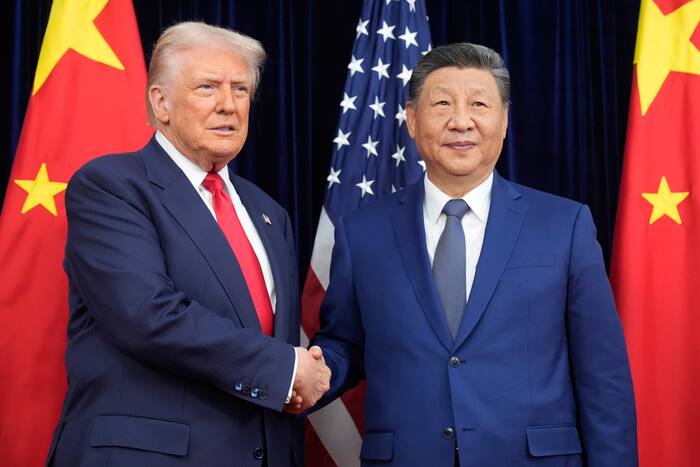
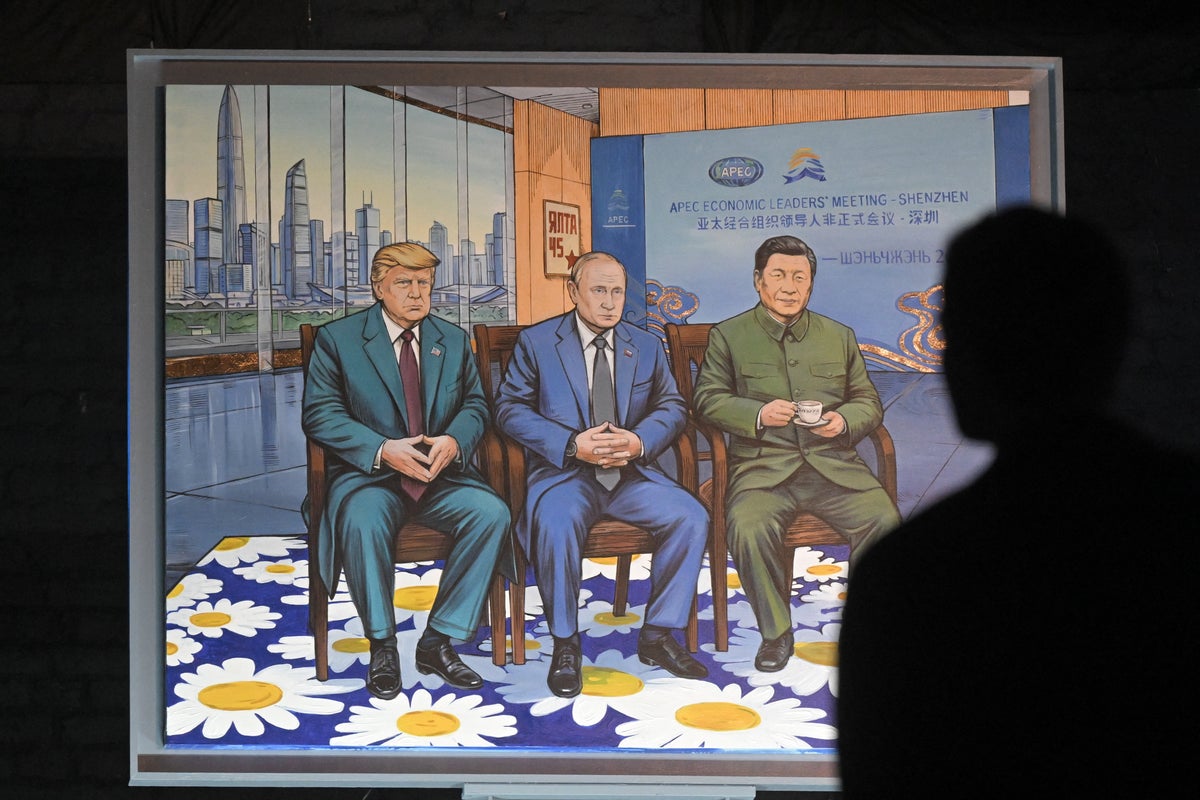
Presidents Xi Jinping and Donald Trump are expected to meet on the sidelines of the Asia Pacific Economic Forum this week, in Shenzhen, China, where leaders from China, the United States and some 21 other economies will gather. Taiwan is likely to be overshadowed at the summit, even as the threat from China evolves and grows stronger. Few expect major breakthroughs on Taiwan, the self-ruled island that Beijing claims.

The meeting comes against a backdrop of intense tech competition between Beijing and Washington, shaped by recent events including the scandal that forced Nvidia's CEO to resign, export controls and an ongoing trade dispute. The United States does not formally recognise Taiwan, but it is the island's biggest informal ally and its main seller of arms. Analysts say the issue is not a core one in U.S.-China relations for the Trump administration, and Arthur Zhin-Sheng Wang, an expert on cross-Straits relations at Taiwan's Central Police University, said as much.S1S2

Experts say cooperation between Taiwan and the U.S. remains strong beneath the level of rhetoric, despite Trump's public ambivalence toward the island. Over the summer, the de facto U.S. embassy in Taiwan posted a photo of joint patrols by the two coast guards, a rare acknowledgement of direct cooperation in a defence capacity. Kuo Yu-jen, a defence studies expert and director of the Institute for National Policy Research in Taiwan, said it reflected decades of cooperation and training between the two sides.S1S2

The U.S. is legally obliged to help Taiwan defend itself, which has taken the form of arms sales, while Washington officially maintains a stance of ambiguity on whether it would intervene militarily in a Chinese invasion. Public attitudes in Taiwan have stayed largely unchanged, according to research from the government-funded Institute of National Defense and Security Research. Polls over the past five years show about half of Taiwanese believe the U.S. would send soldiers in the event of an invasion, and about half do not.S1S2

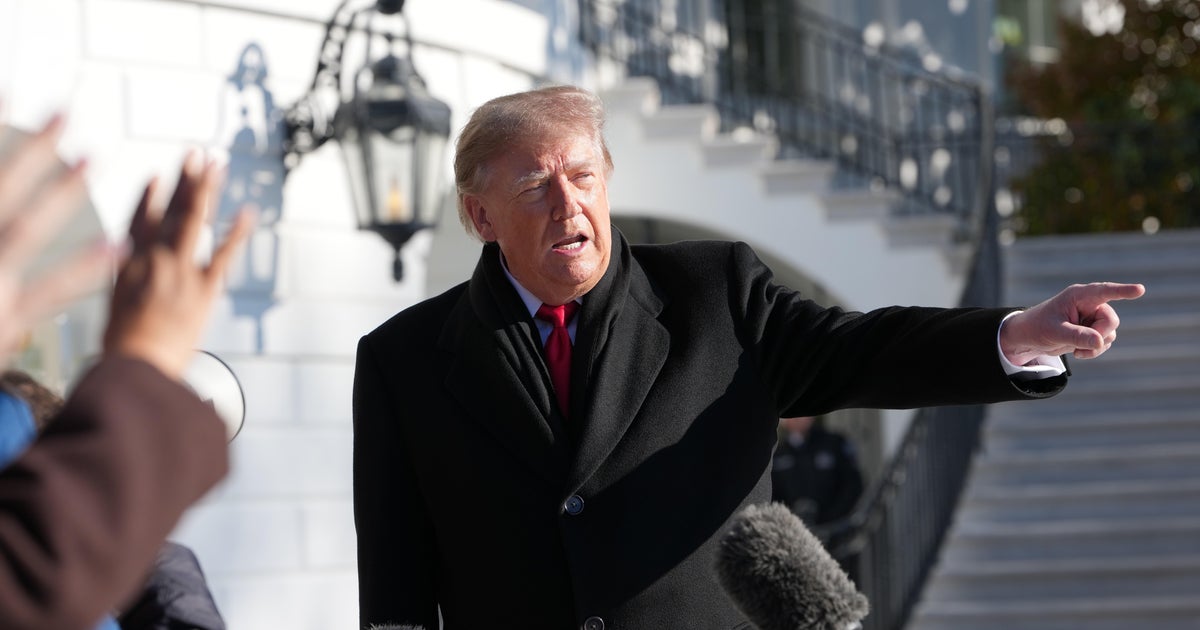
Since beginning his second term, Trump has called on Taiwan to spend more on its own defence, and Taiwan has said it would commit 5% of its GDP to defence. Arms sales are continuing, although a $14 billion package remains stalled, while an earlier $11 billion package approved at the end of last year is in progress.S1S2
Timeline · newest first
25m ABC News

Taiwan may take a backseat when Xi and Trump meet for a third time at an APEC summit

Presidents Xi Jinping and Donald Trump are expected to meet at the Asia Pacific Economic Forum this week

1h Click2houston

Taiwan may take a backseat when Xi and Trump meet for a third time at an APEC summit

Presidents Xi Jinping and Donald Trump are expected to meet at the Asia Pacific Economic Forum this week.

Breaking

Taiwan may take a backseat as Xi and Trump meet again at APEC summit in Shenzhen

3 outlets 3 reports
The brief

Presidents Xi Jinping and Donald Trump are expected to meet on the sidelines of the Asia Pacific Economic Forum this week, in Shenzhen, China, where leaders from China, the United States and some 21 other economies will gather. Taiwan is likely to be overshadowed at the summit, even as the threat from China evolves and grows stronger. Few expect major breakthroughs on Taiwan, the self-ruled island that Beijing claims.

The meeting comes against a backdrop of intense tech competition between Beijing and Washington, shaped by recent events including the scandal that forced Nvidia's CEO to resign, export controls and an ongoing trade dispute. The United States does not formally recognise Taiwan, but it is the island's biggest informal ally and its main seller of arms. Analysts say the issue is not a core one in U.S.-China relations for the Trump administration, and Arthur Zhin-Sheng Wang, an expert on cross-Straits relations at Taiwan's Central Police University, said as much.S1S2

Experts say cooperation between Taiwan and the U.S. remains strong beneath the level of rhetoric, despite Trump's public ambivalence toward the island. Over the summer, the de facto U.S. embassy in Taiwan posted a photo of joint patrols by the two coast guards, a rare acknowledgement of direct cooperation in a defence capacity. Kuo Yu-jen, a defence studies expert and director of the Institute for National Policy Research in Taiwan, said it reflected decades of cooperation and training between the two sides.S1S2

The U.S. is legally obliged to help Taiwan defend itself, which has taken the form of arms sales, while Washington officially maintains a stance of ambiguity on whether it would intervene militarily in a Chinese invasion. Public attitudes in Taiwan have stayed largely unchanged, according to research from the government-funded Institute of National Defense and Security Research. Polls over the past five years show about half of Taiwanese believe the U.S. would send soldiers in the event of an invasion, and about half do not.S1S2

Since beginning his second term, Trump has called on Taiwan to spend more on its own defence, and Taiwan has said it would commit 5% of its GDP to defence. Arms sales are continuing, although a $14 billion package remains stalled, while an earlier $11 billion package approved at the end of last year is in progress.S1S2
Timeline · newest first

Sources · 2 citations

S1 ABC News 1 report · EN
S2 Click2houstonLead 1 report · EN
Seekingalpha 1 report · EN