The brief
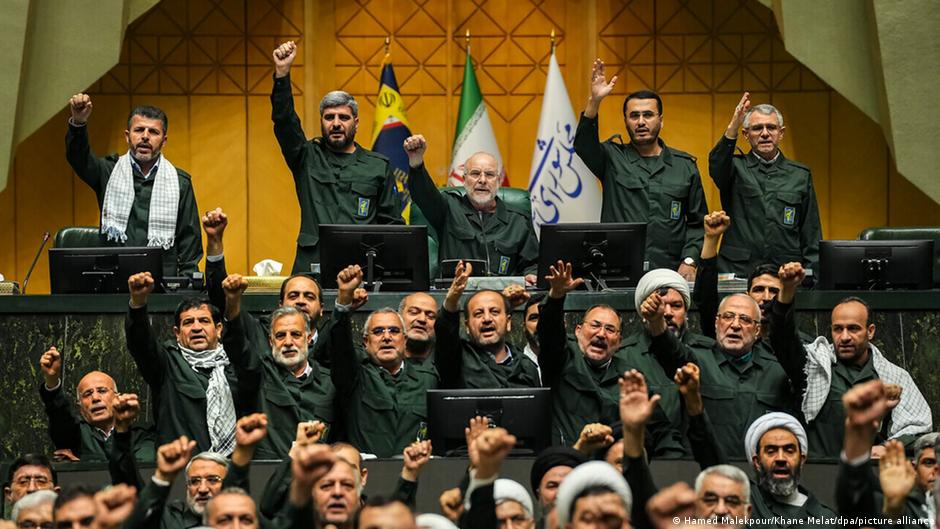
Iran's leadership is amplifying calls for revenge following the death of Ayatollah Ali Khamenei, employing harsh rhetoric to rally domestic support and send warnings to foreign adversaries.
Context
The Iranian regime's response to Khamenei's death reflects a strategy to consolidate power and unify its base amid external pressures.S1S2
Key points
- The Iranian leadership is using increasingly aggressive language to mobilize supporters.S1S2
- There is a notable rise in calls for revenge within Iran's political discourse.S1S2
- The regime aims to strengthen its position domestically while addressing foreign opponents.S1S2
- Harsh rhetoric serves as a tool for the regime to maintain control over its populace.S1S2
- The calls for revenge are part of a broader narrative to unify the nation against perceived threats.S1S2
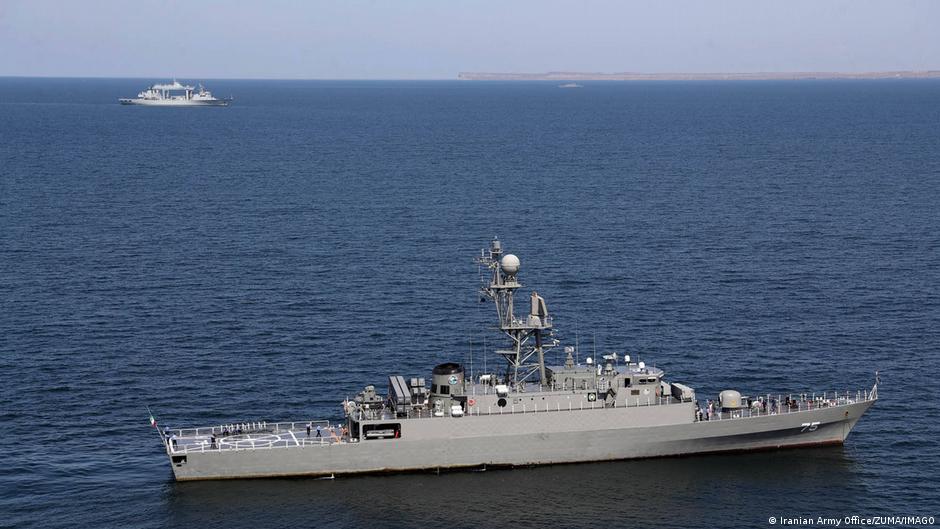
- The leadership's strategy includes warning adversaries abroad about potential consequences.S1S2
- Mobilization efforts are critical as the regime faces challenges both internally and externally.S1S2
- The situation highlights the regime's reliance on propaganda to sustain its authority.S1S2
Why it matters
- The regime's rhetoric could escalate tensions with foreign nations, particularly those critical of Iran.S1S2
- Increased domestic mobilization may lead to heightened security measures within Iran.S1S2
- The focus on revenge propaganda reflects the regime's vulnerability and need for legitimacy.S1S2
What to watch
- Monitor developments in Iran's domestic policies as the regime seeks to consolidate power.S1S2
- Watch for reactions from foreign governments in response to Iran's aggressive rhetoric.S1S2
- Observe how the Iranian populace responds to the regime's calls for revenge and mobilization efforts.S1S2